












The Federal Government has been urged to urgently clarify its proposed tax reforms, as fears grow that Nigerians may reject the measures due to a lack of transparency and trust in public institutions.
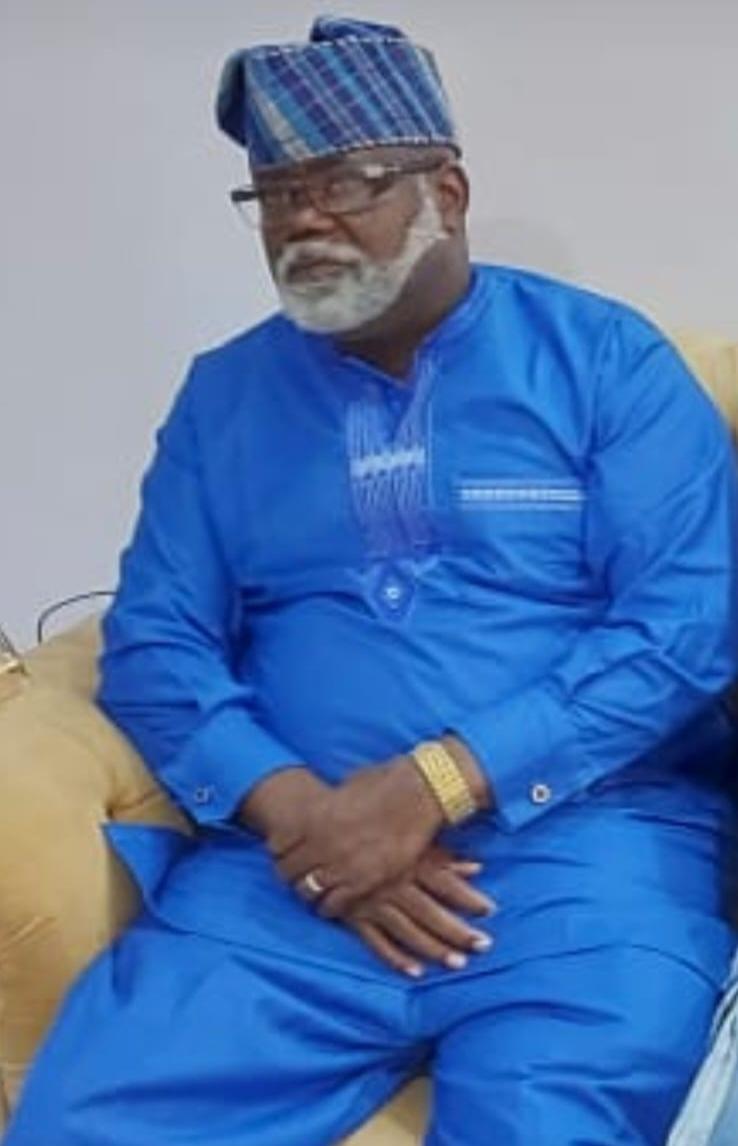
Chief Mogaji Niyi Aborisade, a UK-based human rights lawyer and political commentator, warned yesterday that citizens would resist paying additional taxes unless they are confident that the government will manage public funds responsibly.
In an interview with The Guardian in Ibadan, Aborisade described the economic climate in Nigeria as “a perfect storm” for public dissatisfaction. “Taxation is a normal and necessary part of governance worldwide,” he said, “but in Nigeria, trust is fundamental. Citizens cannot be expected to surrender 25 per cent of their income to a government that has mismanaged oil revenues, wasted public funds, and failed to explain how resources are being deployed.”
Aborisade highlighted the removal of fuel subsidies and the sharp rise in petrol prices, from about ₦125 to nearly ₦859 per litre, as examples of policies that have intensified hardship for ordinary Nigerians. “Yet there has been no clear communication on how these new tax revenues will be collected, or how they will directly benefit the people,” he said. “Without transparency and accountability, these reforms risk becoming deeply unpopular.”
The rights lawyer also stressed the broader economic context in which the tax measures are being introduced. “Nigeria is already facing unprecedented inflation, a depreciating naira, collapsing infrastructure, and widespread poverty. Introducing new taxes under these conditions, without proper consultation or explanation, is a recipe for public anger and potential unrest.”
Aborisade called on government officials to engage actively with citizens and civil society organizations to explain the rationale behind the tax regime. He emphasized that fiscal discipline must accompany any increase in tax obligations. “Until Nigerians see responsible governance, imposing new taxes will remain unjustifiable,” he said.
The lawyer also reminded the government that democratic accountability is non-negotiable. “The people will decide the future — and no amount of power or money can permanently silence them,” he stated. He warned that citizens are increasingly unwilling to sell their votes, and attempts to manipulate elections could provoke significant political backlash.
Aborisade’s warning comes at a time when many Nigerians are grappling with rising living costs, dwindling purchasing power, and inadequate public services. Analysts say that failure to communicate tax plans clearly could exacerbate social tension, undermine public trust, and erode the government’s credibility ahead of upcoming elections.
“The government must not assume that citizens will automatically comply,” Aborisade said. “People are tired of empty promises and reckless spending. They want transparency, accountability, and concrete benefits for their contributions. Without these, any tax reform risks becoming deeply unpopular and may even trigger widespread public opposition.”
Advertisement