










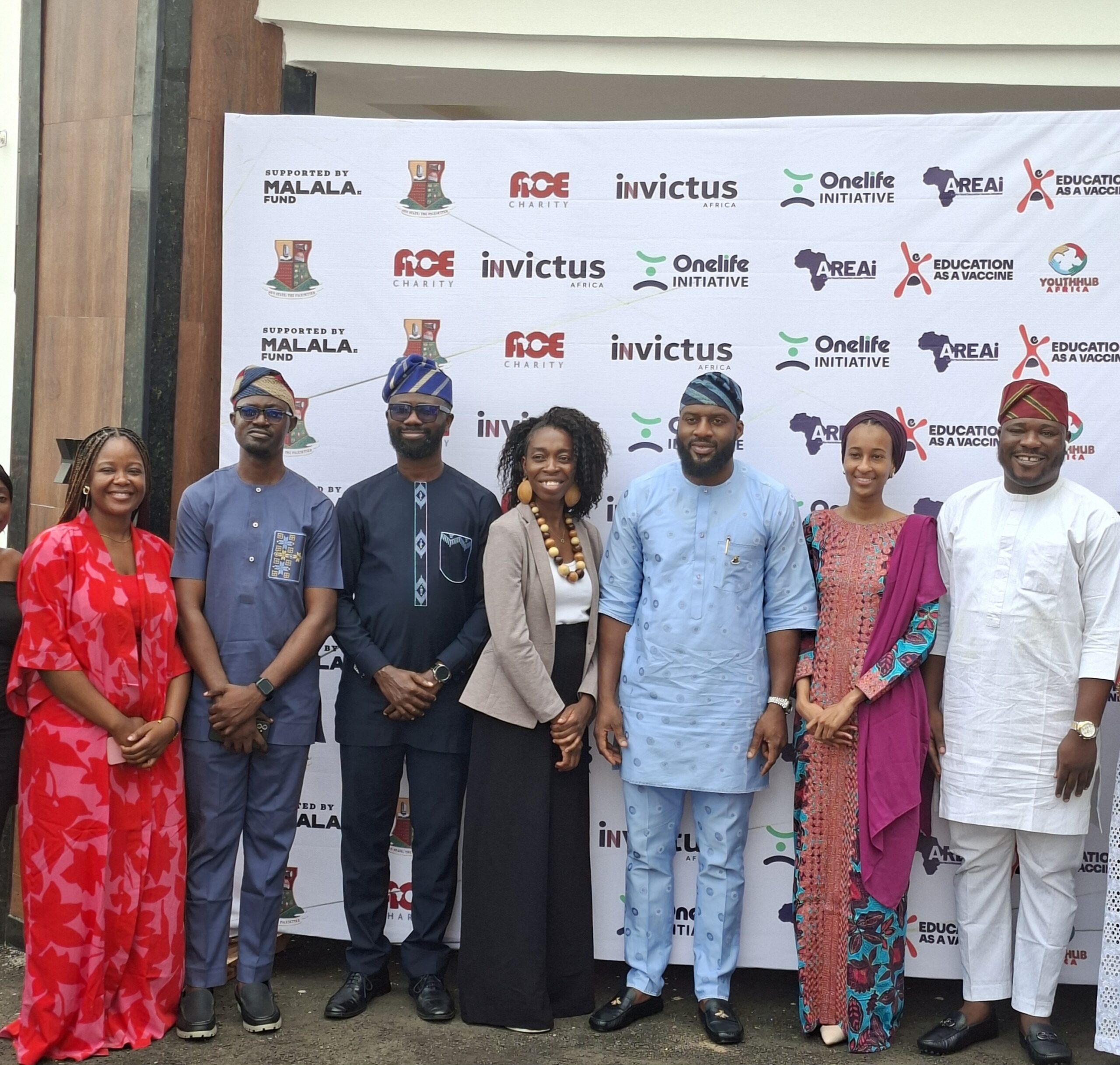
The Oyo State House of Assembly and CSOs have strengthened collaboration to
advance legislative reforms aimed at entrenching inclusive and gender-responsive education policies in the state.
This formed the thrust of deliberations at the Oyo State Education policy dialogue on
“Strengthening Legislative Pathways for Inclusive Education Reform in Oyo State,”
held in Bodija, Ibadan, where lawmakers, civil society organisations, and education
stakeholders resolved to institutionalise transparency, accountability and equitable
budgeting within the education sector.
The policy dialogue was organised by YouthHubAfrica, and Education As A Vaccine.
Speaking at the event, Speaker of the Assembly, Rt. Hon. Adebo Edward Ogundoyin, described education as the bedrock of sustainable development, stressing that no society can rise above the quality and inclusiveness of its educational system.
“Anywhere we can support education in Oyo and Nigeria, we will do so. We are
critical stakeholders in this engagement,” he said, commending the Malala Fund
Champions Network for convening the dialogue in partnership with the legislature.
Ogundoyin noted that gender-responsive education budgeting is not merely a
technical concept but a moral imperative that requires lawmakers to interrogate
allocations and determine whether they address barriers faced by girls, children with
disabilities and marginalised communities.
He raised concerns about out-of-school children, infrastructural deficits in rural areas,and the need to prioritise safety, sanitation and digital access in schools, adding that the House Committees on Budget, Education, Science and Technology, and Women Affairs and Community Development would intensify collaboration with stakeholders
to review existing frameworks and identify policy gaps.
In her remarks, the Partnership Manager, Nigeria, Malala Fund, Maryam Danburam,
said the dialogue came at a critical time as stakeholders reflect on systems and
partnerships shaping education outcomes, particularly for girls.
Danburam emphasised that sustained collaboration between government institutions and civil society organisations was fundamental to building accountable and resilient education systems.
She explained that the engagement, convened under the JAG Project, seeks
legislative backing for a Gender-Responsive Education Sector Plan (GRESP), promotion
of open education governance, and the development of actionable policy frameworks to strengthen education delivery.
“At Malala Fund, we believe that when trust-based partnerships align policy
commitments with adequate budgetary priorities, powerful opportunities are created to address gaps and ensure that education financing reflects the needs of the most marginalised,” she said.
Also speaking, Executive Director of YouthHub Africa, Rotimi Olawale, called for
deliberate support in budgeting and financing to improve the quality of education, noting that sustained reforms would nurture future generations of leaders.
Similarly, Executive Director of Education as a Vaccine (EVA), Mrs. Oluwatoyin
Chukwudozie, underscored education as a key component of human capital
development, pledging continued collaboration with stakeholders to ensure children reach their full potential.
Other stakeholders from the Ministries of Education and Women Affairs, the State
Universal Basic Education Board, and House Committee chairpersons, reaffirmed their commitment to strengthening governance structures in the sector.
One of the major outcomes of the legislative convening was the adoption of a
communiqué outlining key commitments made by the Speaker and other stakeholders.
Advertisement