
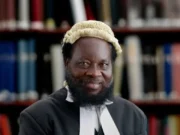














A human rights lawyer and African Democratic Congress (ADC) governorship aspirant in Oyo State, Barrister Niyi Aborisade (BANA), has raised concerns over what he described as a loophole in the recently amended Electoral Act permitting manual collation of results where electronic transmission is deemed not feasible.

Aborisade said the clause could undermine the integrity of the electoral process, warning that it creates room for manipulation if not carefully monitored.
Reacting to the amendment recently signed into law by President Bola Ahmed Tinubu, the lawyer acknowledged positive aspects of the legislation, particularly the provision for direct primaries. However, he expressed reservations about the caveat allowing election officials to resort to manual collation in the event of technical challenges with electronic transmission.
According to him, the introduction of the Bimodal Voter Accreditation System (BVAS) and electronic transmission of results was intended to enhance transparency, curb electoral malpractice and reduce post-election disputes.
“The whole idea behind BVAS and electronic transmission is to ensure that results are uploaded instantly and transparently,” Aborisade said. “If officials can simply claim that electronic transmission is not feasible and revert to manual collation, that opens the door to possible manipulation.”
He noted that manual collation has historically been associated with alterations of figures and disputes that often end up before election tribunals and the courts.
Aborisade further cautioned that compromised officials or political actors could exploit such provisions, thereby eroding public confidence in the electoral system.
While recognising that the President has constitutional authority to assent to or return a bill to the National Assembly, he said that now that the amendment has become law, it serves as the legal framework for forthcoming elections.
He, however, stressed that no legislation is beyond review.
“If practical experience reveals weaknesses that threaten electoral integrity, the National Assembly can revisit and amend the law. The ultimate goal should be to strengthen, not weaken, our democratic process,” he said.