
















From Rotimi Agboluaje, Ibadan
The Managing Director of Adgenda Media Ltd., Lagos, Dr. Ladi Arowa, has urged brands to prioritise data-driven decision-making when selecting digital creators for advertising partnerships, noting that audience engagement and demographic alignment are more reliable indicators of marketing success than follower counts.

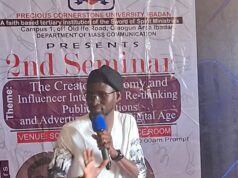
Arowa made the call while delivering the second seminar titled “The Creator Economy and Influencer Integration: Rethinking Advertising in the Digital Age,” organised by the Department of Mass Communication at Precious Cornerstone University (PCU), Ibadan, Oyo State.
He explained that the rapid rise of the creator economy is transforming Nigeria’s advertising ecosystem and compelling brands, regulators and communication professionals to rethink how audiences are engaged in the digital era.
According to him, the growing influence of digital creators and social media influencers has significantly altered traditional advertising models, forcing brands to shift from conventional mass marketing approaches to more personalised, interactive and community-driven communication strategies.
“The creator economy is fundamentally reshaping the advertising landscape in Nigeria. Brands are increasingly collaborating with digital creators who already command the trust and attention of niche audiences,” he said.
Arowa noted that such partnerships enable companies to communicate more authentically with consumers, particularly younger demographics who rely heavily on social media platforms for information, entertainment and purchasing decisions.
He, however, cautioned companies against selecting influencers solely on the basis of their follower numbers, stressing that deeper audience analytics and engagement metrics provide more meaningful insights into a creator’s real influence.
“Brands must rely on audience analytics, engagement metrics and brand alignment when choosing influencers. High follower counts alone do not guarantee campaign success,” he said.
According to him, selecting creators whose audiences closely match a brand’s target market is critical for achieving measurable marketing outcomes.
While acknowledging the growing relevance of influencer marketing, Arowa also stressed the need for clearer regulatory guidelines to ensure transparency and protect consumers from deceptive advertising practices.
He noted that Nigeria requires more explicit rules mandating influencers to clearly disclose sponsored or paid promotional content in order to strengthen accountability within the industry.
“In many cases, audiences cannot easily differentiate between organic content and sponsored messages. For ethical advertising to thrive, influencers must clearly label promotional posts,” he said.
Arowa observed that transparent disclosure not only protects consumers but also enhances the credibility of both influencers and the brands they represent.
The media strategist also highlighted the regulatory role played by the National Broadcasting Commission (NBC) in maintaining advertising standards within the broadcast sector.
According to him, the NBC currently oversees advertising content on radio and television to ensure compliance with ethical, legal and professional guidelines, but the rapidly expanding digital advertising ecosystem requires regulatory frameworks capable of addressing the complexities of social media marketing.
“While traditional broadcast advertising is regulated through established mechanisms, digital content creation operates in a more fluid environment. Regulators must adapt to keep pace with these changes,” he said.
He further emphasised that transparency remains the foundation of sustainable relationships between brands and digital creators.
According to him, modern audiences are increasingly sensitive to authenticity and are more likely to engage with content that reflects honest storytelling and genuine cultural relevance.
“Consumers today are highly discerning. They can quickly detect inauthentic messaging. That is why transparency in brand–creator partnerships is critical,” he explained.
Arowa also highlighted the growing influence of artificial intelligence in digital advertising and content production.
He said brands and creators are increasingly adopting AI-powered tools for generating ideas, editing multimedia content, personalising communication and analysing audience behaviour.
“Artificial intelligence is now an integral part of the creative process. It enables creators to develop more engaging content while helping brands target audiences more effectively,” he said.
According to him, AI-driven analytics are also improving the efficiency of marketing campaigns by allowing advertisers to tailor messages based on consumer preferences, engagement patterns and data insights.
The advertising expert further noted that Nigerian digital creators are leveraging diaspora networks to expand their global reach and influence.
He explained that social media platforms have enabled Nigerian creators and brands to connect with international audiences, particularly within African diaspora communities, thereby opening new cross-border market opportunities.
“Our diaspora community plays a significant role in amplifying Nigerian digital content globally. Creators are now reaching audiences beyond national borders,” Arowa said.
He also identified the emergence of community-driven business models as another growing trend in the digital economy, noting that some brands now allow audiences to participate in product development, brand storytelling and investment decisions.
“This participatory model empowers audiences to feel a sense of ownership in the brands they support,” he added.
Arowa further advised organisations to adopt integrated digital marketing strategies that combine influencer partnerships with broader brand communication objectives.
According to him, influencer campaigns should not operate in isolation but must align with overall marketing strategies to achieve sustainable impact.
“Influencer marketing works best when it forms part of a holistic digital strategy involving storytelling, content marketing and audience engagement,” he said.
He also recommended long-term partnerships between brands and creators instead of one-off promotional campaigns, explaining that sustained collaborations help build familiarity, credibility and stronger brand recall among audiences.
“Long-term partnerships allow audiences to see a consistent relationship between creators and brands. This consistency builds trust and improves marketing outcomes,” he said.
Speaking at the seminar, the Vice-Chancellor of Precious Cornerstone University, Prof. Timothy Adejumo, represented by the University Librarian, Dr. Olajide Afolabi, encouraged students to embrace creativity and innovation in order to take advantage of opportunities created by the digital age.
“You learn creativity and innovation when you do new things. When people see innovation, they follow you and you gain influence,” he said.
“The digital age has opened up many opportunities more than ever before. Young people must explore digital technology to their advantage and take the best advantage of today.”
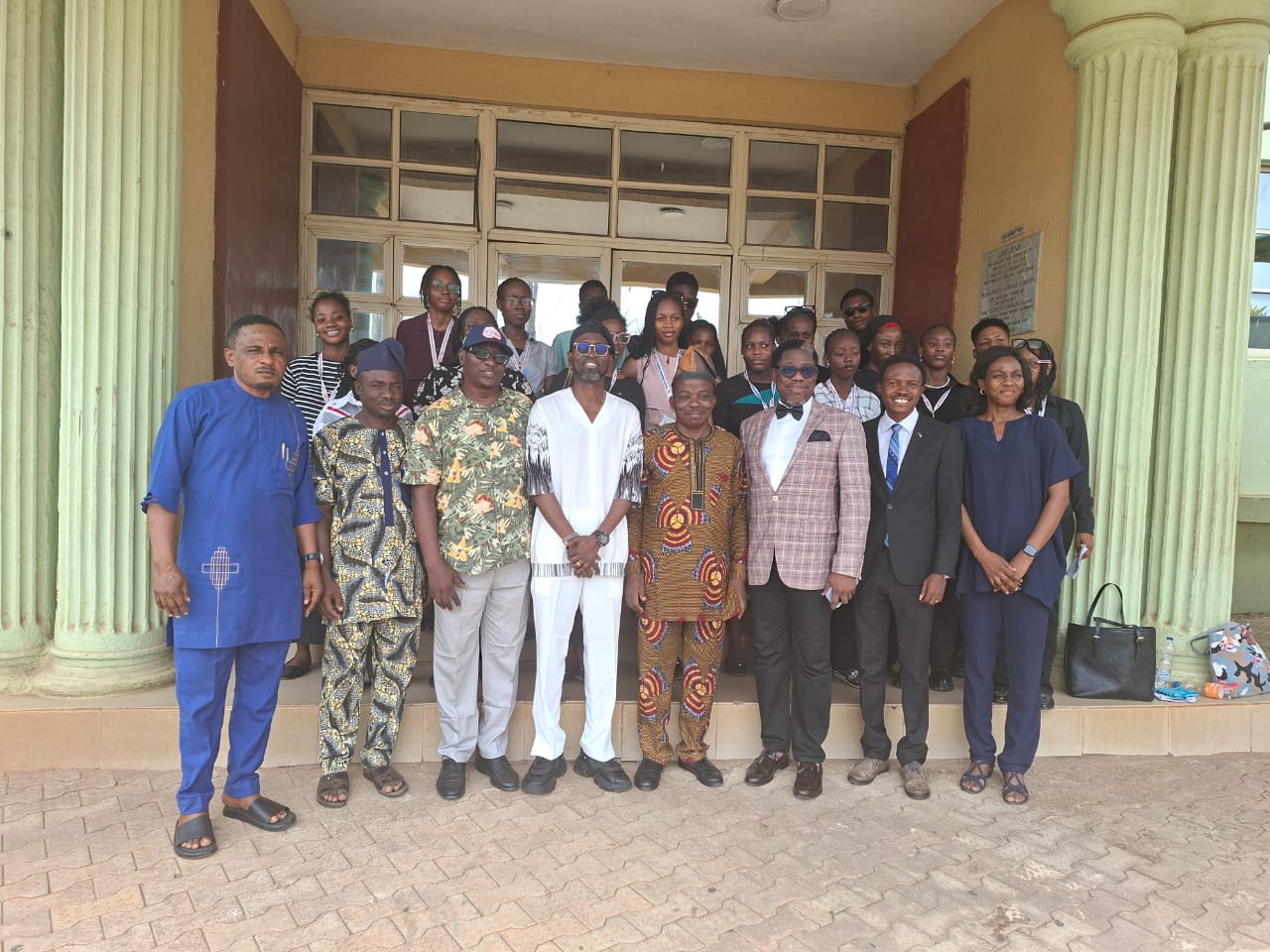
The seminar was attended by academics and communication professionals, including the Head of the Department of Mass Communication, Dr. Oluwaseyi Sanyaolu; Dr. Taiwo Ayinla; Mrs. Vivian Morakinyo, among others.