















Brain Centre Neuro-Critical and Rehabilitation Services, Ibadan, is set to mark its first anniversary, celebrating one year of delivering specialised neurological, neurosurgical and mental health care to patients across Oyo State and beyond.
Established on January 18, 2025, the centre was founded to address the growing burden of neurological disorders in Nigeria and bridge the gap in access to timely, specialist-driven brain care.

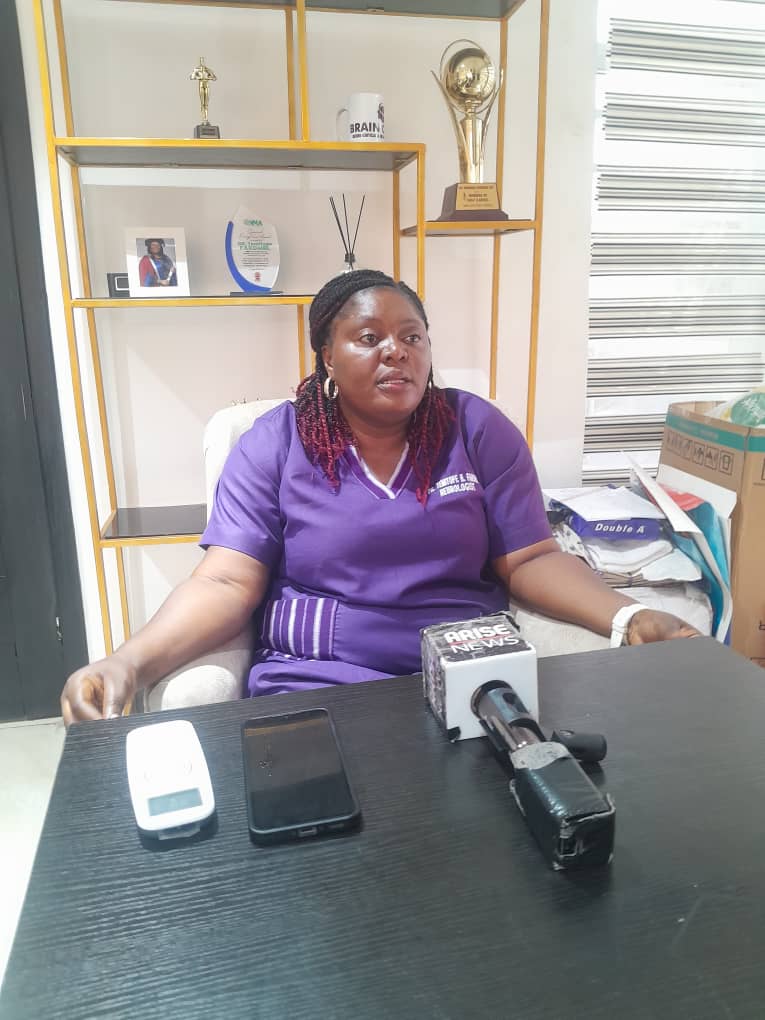
Speaking at a press briefing to commemorate the milestone, the Founder and Consultant Neurologist, Dr. Temitope Farombi said the centre was created in response to the rising incidence of stroke, brain injuries, neurodegenerative diseases and other neurological conditions in low- and middle-income countries.
“Neurological diseases are increasing at an alarming rate in Nigeria, and yet access to timely intervention remains limited. The brain is time-sensitive. When care is delayed, outcomes are often devastating. Brain Center was established to ensure that patients receive the right care at the right time,” Dr. Farombi said.
Within its first year of operation, Brain Center has managed over 160 neuro-critical, neurological, neurosurgical and mental health cases, including stroke, Parkinson’s disease, Alzheimer’s disease, dementia, multiple sclerosis, spinal disorders, traumatic brain injuries and complex headache syndromes.
The centre has also successfully carried out brain surgeries and rehabilitation programmes, enabling many patients to recover and reintegrate into their families and communities.
Dr. Farombi explained that Brain Centre evolved from a digital health initiative launched five years ago to promote early access to healthcare through telemedicine platforms.
“While digital medicine improves access, it cannot replace physical examination and hands-on intervention. This informed our decision to establish a fully equipped walk-in neuro-critical and rehabilitation facility,” he said.
According to him, data indicates that the burden of neurological conditions in Nigeria is projected to triple by 2030, while the number of trained specialists remains grossly inadequate.
“Stroke alone is a leading cause of disability and death. Many patients arrive too late for life-saving intervention. Our mission is to close this gap through emergency response, specialist care and long-term rehabilitation,” he added.
As part of its anniversary reflections, Brain Center called for increased public awareness on brain health and preventive care, stressing that most neurological conditions are preventable through early diagnosis, lifestyle modification and proper medical follow-up.
Dr. Farombi urged Nigerians to prioritise regular health checks, manage hypertension and diabetes effectively, avoid self-medication and drug abuse, and seek specialist care promptly when symptoms occur.
He also appealed for expanded health insurance coverage and stronger government policies to improve access to critical care services.
“We are grateful to our patients, partners and the general public for trusting us with their health. This anniversary is not just a celebration of the past year, but a renewed commitment to saving more lives and restoring hope to families,” he said.
The centre reiterated its dedication to advancing neuro-critical care, rehabilitation services and public education on brain health across Nigeria.