















Agricultural and environmental experts have urged the Federal Government to shift its agricultural policy focus toward agroecology as a sustainable solution to Nigeria’s worsening food insecurity and climate challenges, warning against the continued adoption of genetically modified organisms (GMOs) in the country.
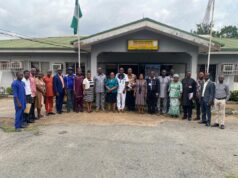
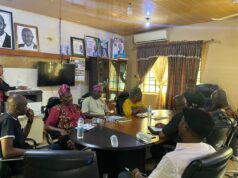
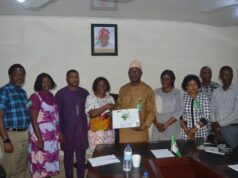
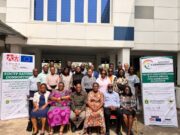
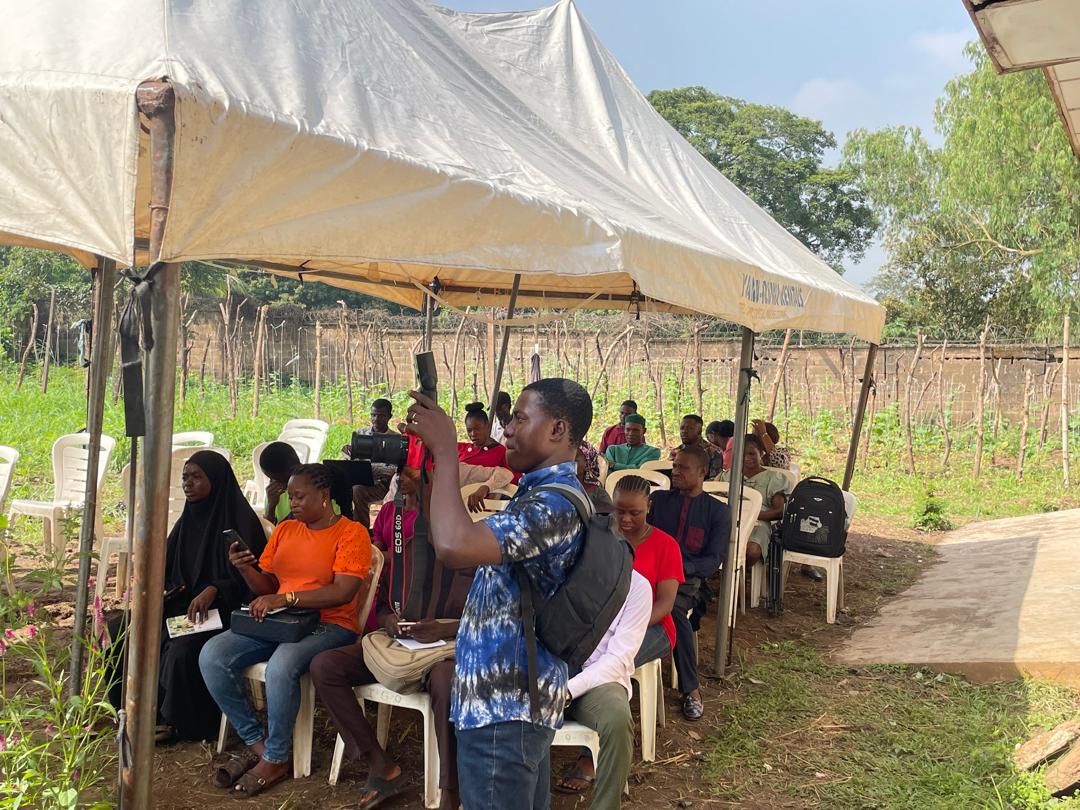
The experts made the call in Ibadan during a one-day Practical Agroecology Training for Farmers themed “Solving the Food and Climate Crises.”

The Ibadan training brought together farmers, researchers, and environmental advocates for hands-on demonstrations in organic composting, natural pest control, and soil regeneration, underscoring the need to align Nigeria’s agricultural policies with ecological and climate realities.
Leading the discussion, Prof. Olugbenga Adeoluwa of the Department of Soil Resources Management, University of Ibadan, said agroecology—an approach that integrates ecological principles into farming—offers practical, low-cost solutions to the challenges posed by climate change.
“Agroecology is the way to go for farming in Nigeria. “Farmers are already facing unpredictable rainfall, pest invasions, and planting delays. Agroecology provides answers, but farmers must first be trained to understand its practices ,” Adeoluwa said.
He explained that the training aimed to bridge the gap between healthy food production, climate-resilient farming, and everyday agricultural practices, highlighting methods such as soil management, natural pest control, and reduced chemical dependence.
Adeoluwa called on government at all levels to mainstream agroecology into agricultural policies, integrate it into extension services, and replicate similar trainings nationwide.
“Local governments should be training farmers and linking them to markets. When they produce and no one buys, it amounts to nothing,” he said, adding that agroecology aligns food production with environmental health while avoiding hazardous chemicals and GMOs.
Also speaking, Mr. Barnabas Iwan, Farm Manager, Production at Be the Help Foundation Agroforestry, said the approach helps farmers cut costs by producing organic fertilizers and bio-pesticides from local materials.
“Farmers struggle with the high cost of fertilizers and pesticides. Agroecology allows them to use what’s around them, improving soil health, restoring ecological balance, and reducing pollution,” Iwan said.
In her remarks, Ms. Esele Ojeanelo, Project Assistant at the Health of Mother Earth Foundation (HOMEF), warned against the growing use of GMOs in Nigeria, describing them as a threat to soil fertility, biodiversity, and human health.
“GMOs destroy microorganisms in the soil and have been linked to infertility and birth deformities. Countries with advanced health systems are banning them; Nigeria, with its fragile system, cannot afford to embrace them,” she said.
Ojeanelo urged the Federal Government to stop approving GMO crops and instead promote agroecology, which she said empowers smallholder farmers and ensures food sovereignty.
“Smallholder farmers can feed the nation if supported. Agroecology is a safer, sustainable alternative to GMOs,” she added.