












Ramadan, Lent, and the Moral Reckoning of Power
“Righteousness exalteth a nation: but sin is a reproach to any people.” — Proverbs 14:34

“And do not consume one another’s wealth unjustly…” — Qur’an 2:188
Nigeria stands in a season of restraint.
Across the country, Muslims observe Ramadan, disciplining appetite, purifying intention. Christians journey through Lent – embracing repentance and self-examination. Both traditions converge on one moral truth: humility before God and accountability for conduct.
Yet beyond sanctuaries, governance appears largely untouched by this sacred discipline.
Citizens fast. Power rarely does.
While households adjust to inflation hovering above 25 percent and a currency that has seen steep depreciation, public expenditure patterns continue to raise questions. While manufacturers report that energy now accounts for between 30–40 percent of production costs, policy opacity remains stubborn. Citizens are urged to endure subsidy removals, tariff adjustments, and fiscal tightening , all framed as necessary reform.
Sacrifice is demanded.
But is it shared?
Ramadan teaches taqwa – the awareness that nothing escapes divine scrutiny. The Qur’an repeatedly commands justice and forbids corruption, reminding leaders that authority is amanah – a trust. Lent confronts believers with the necessity of repentance before renewal.
Both insist that moral discipline must precede legitimate authority.
Yet in public life, discipline often appears asymmetrical. Austerity is preached downward; insulation operates upward.
If reform requires pain, the credibility of that pain depends on its equitable distribution.
When Proverbs declares that righteousness exalts a nation, it is not offering devotional comfort detached from politics. It articulates a governing principle: ethical architecture sustains national strength.
Righteousness in governance is not performative piety. It is measurable integrity.
It is transparent procurement. It is defensible budgeting. It is visible restraint in discretionary spending. It is leaders willing to subject themselves to scrutiny.
Sin as “reproach” extends beyond private vice. It includes institutional excess, tolerated opacity, and policies disconnected from lived realities.
The Qur’an warns against devouring wealth unjustly or influencing rulers through improper means. The Bible condemns dishonest scales and partial judgment. These are not ancient abstractions; they are enduring standards of public conduct.
A nation cannot fast in its mosques and feast on excess in its ministries.
A people cannot kneel in repentance while institutions stand in denial.
Nigeria’s economic strain is not theoretical. Food inflation bites. Energy instability constrains productivity. Small and medium enterprises shutter under cumulative cost pressures. Citizens absorb the language of reform daily. What they seek in return is moral symmetry.
When sacrifice is unevenly perceived, trust erodes. When trust erodes, reform loses legitimacy. When legitimacy weakens, instability brews.
History offers no comfort to nations that ignore ethical drift. Civilizations collapse more often from internal corrosion than external assault. Moral erosion precedes fiscal crisis.
The tragedy is not that Nigeria is religious. It is that religion and governance too often operate on parallel tracks.
Ramadan and Lent are mirrors. They confront pride. They interrogate motive. They expose the distance between profession and practice.
If fasting is meant to break arrogance, then arrogance in office must break.
If Lent calls for, then institutions must acknowledge policy missteps candidly. If Ramadan demands discipline, then fiscal discipline must be demonstrated at the highest levels.
This is not a partisan critique. It is a moral appeal.
Nigeria does not suffer from a deficit of prayer. It suffers from a deficit of alignment between faith and statecraft. The mosque and the church speak eloquently about accountability before God. The republic must translate that accountability into governance systems.
To the Presidency, this season is more than ceremonial observance. It is a leadership examination.
Symbolic devotions are insufficient. Structural transparency is indispensable.
National renewal requires visible alignment between sacrifice demanded and sacrifice practiced. It requires openness that reduces suspicion. It requires reforms that begin at the summit before cascading downward.
Authority is amanah. Public office is stewardship. Governance insulated from the realities it administers risks appearing detached rather than empathetic.
If righteousness truly exalts a nation, then the pathway is clear: let budgets withstand scrutiny. Let expenditures align with declared priorities. Let institutions welcome oversight as strength, not insult.
Nigeria’s future will not be secured by louder invocations of faith alone. It will be secured when faith informs fiscal choices. When repentance shapes reform. When fasting disciplines ambition as much as appetite.
The mosque and the church have entered a season of moral clarity.
The republic must decide whether it will follow. Because a nation is not elevated by religious ritual in isolation. It is elevated when righteousness becomes governance.
Until then, fasting in the republic of excess remains a paradox too visible to ignore
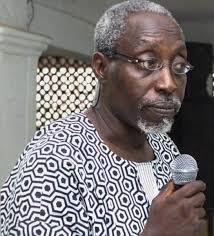
Ogundipe, Public Affairs Analyst, former President, Nigeria and Africa Union of Journalists writes from Abuja