















By Eniola Akisinpe
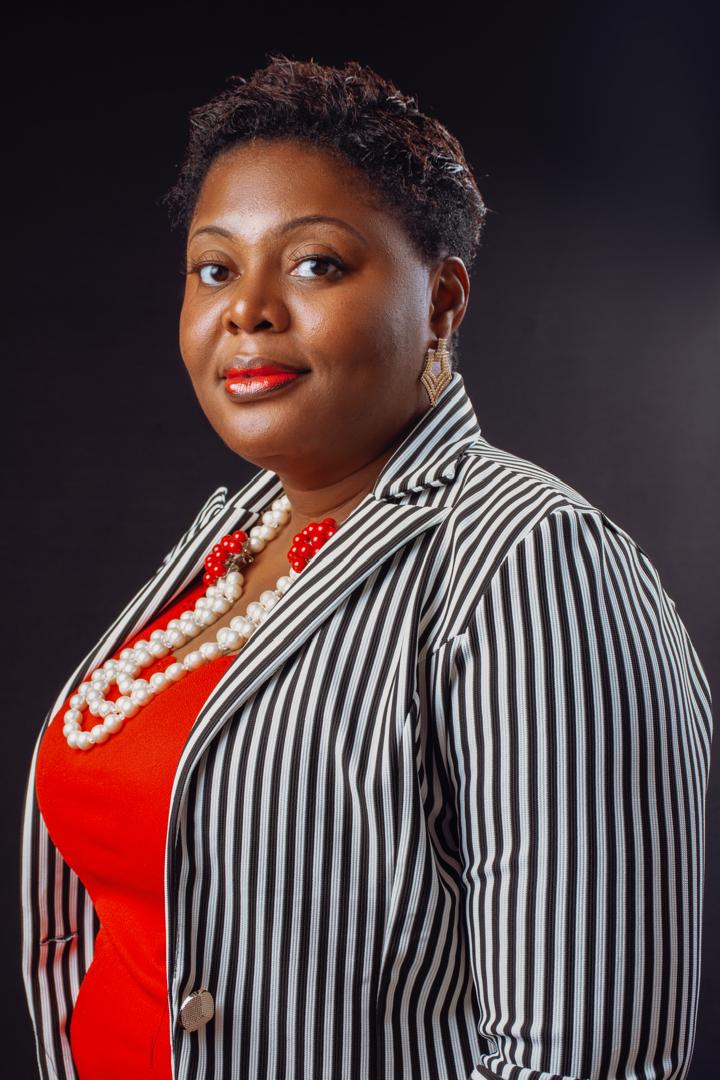
A neurologist and health technology expert, Dr. Temitope Farombi, has called on the Federal Government to urgently embrace telemedicine as a national strategy to avert the looming collapse of Nigeria’s healthcare system, warning that existing structures can no longer cope with the country’s population and disease burden.

Farombi, Managing Director of the Brain Centre for Neuro-Critical and Rehabilitation Services, Ibadan and founder of a private telemedicine and health-tech platform, said Nigeria missed an early opportunity to deploy telemedicine two decades ago, but recent crises, particularly the COVID-19 pandemic , have made its adoption inevitable.
She explained that her experience during the pandemic revealed how delayed access to professional medical care was costing lives, as many patients exhausted their resources at religious centres, traditional healers or poorly equipped facilities before seeking specialist help, often when it was too late.
According to her, access remains the central challenge in Nigeria’s healthcare delivery, noting that telemedicine provides a bridge between patients and doctors using basic tools such as mobile phones, email and internet-based platforms. She disclosed that during COVID-19, she established the Brain Health Initiative, an NGO that provided remote consultations via GSM lines, reaching over 7,000 patients nationwide within six months.
Building on that experience, Farombi said her team launched an electronic health records system in January 2024 to enable digital management of patient data and cross-location consultations. She revealed that over 35,000 consultations have so far been conducted, with specialists providing care across state and even international borders.
“With more than 180 million Nigerians having mobile access and over 50 per cent internet penetration, the tools already exist. What is missing is policy direction and government investment,” she said.
She added that innovations such as digital prescription codes sent directly to pharmacies and an ambulance feature currently being developed on a mobile app would further improve emergency response and continuity of care.
Farombi also highlighted the stigma surrounding brain health conditions such as dementia and epilepsy, noting that cultural misconceptions often lead to abuse and neglect of patients. She said public education campaigns and community engagement, including outreach to religious centres, have helped reframe these conditions as medical rather than spiritual problems.
On the shortage of specialists, she noted that Nigeria has fewer than 100 neurologists, forcing patients to wait months for care. To address this, she said community health workers, nurses and family caregivers are being trained to manage conditions like dementia and epilepsy under specialist supervision.
She expressed concern over widespread drug abuse and the unregulated sale of medicines, calling for an outright ban on drug hawking and stricter regulation of patent medicine vendors. She described the problem as systemic, recounting personal loss linked to quackery, and urged the government to enforce “political punishment” for offenders.
Looking ahead, Farombi warned that by 2030, Nigeria’s healthcare burden would worsen due to brain drain and a weakened primary healthcare system. She stressed that telemedicine remains the most viable option for reaching rural populations, where doctors are scarce.
To scale telemedicine nationwide, she called for a clear national policy, robust health data protection laws and sustained investment in digital infrastructure at the primary healthcare level, urging all stakeholders to collaborate to build a resilient, technology-driven healthcare system.