












By Eniola Adesipe
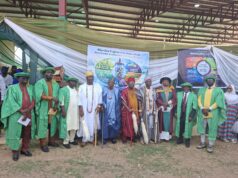
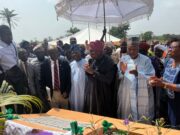
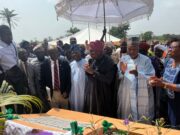
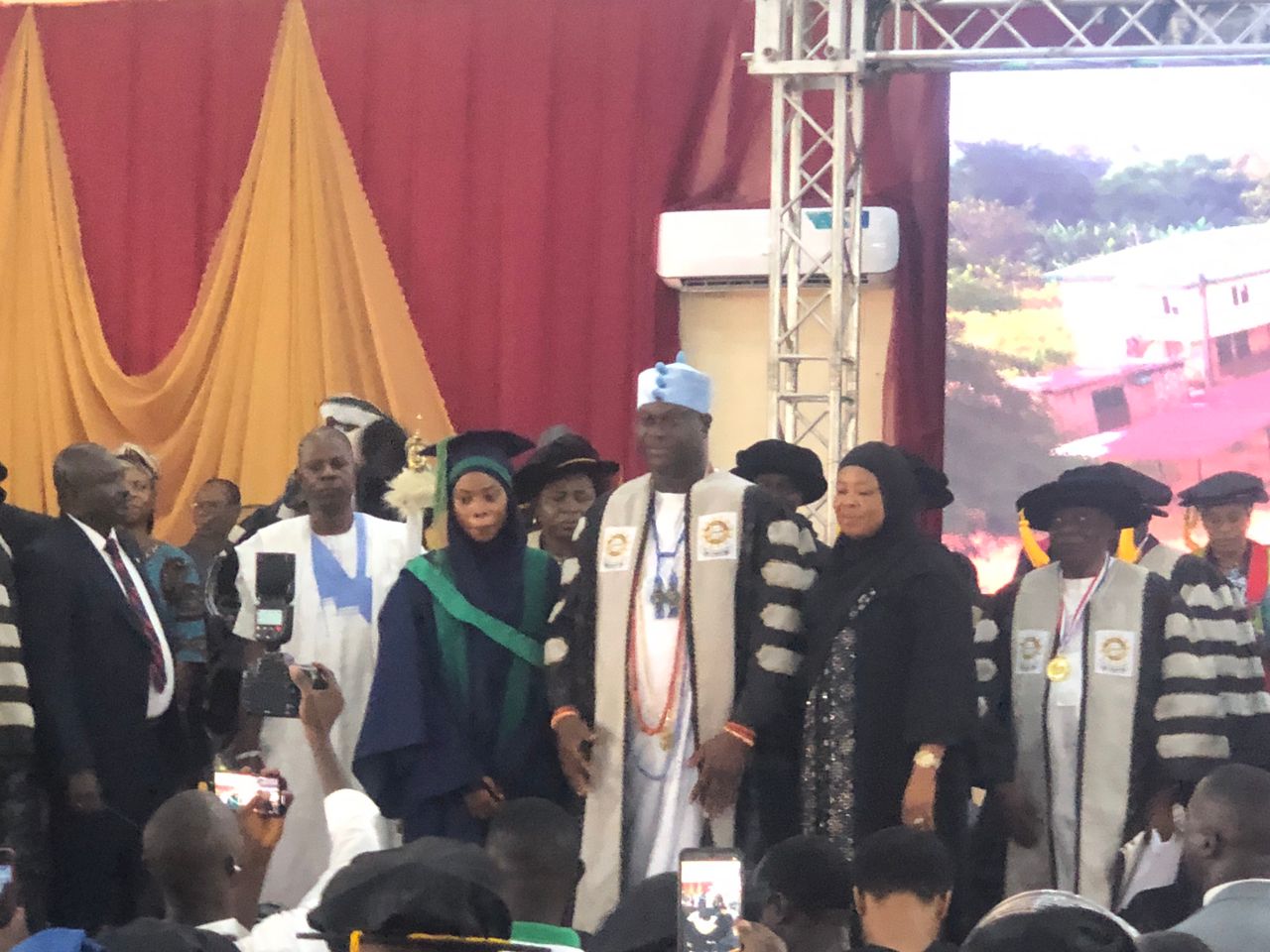
The Ooni of Ile-Ife, Oba Adeyeye Enitan Ogunwusi; a Senior Advocate of Nigeria, Ahmed Raji; Dr. Olajide Babatunde, anf otherd were, on Friday conferred with fellowship awards at the 40th convocation ceremony of The Polytechnic, Ibadan.

The fellowship honours were bestowed on the eminent Nigerians in recognition of their immense contributions to the advancement of education and national development.
The colourful ceremony, held at the institution’s 1,000-capacity hall, attracted dignitaries from across the country, including a former Chairman of the Nigerian Communications Commission, Prof. Adeolu Akande; the President-General of the Central Council of Ibadan Indigenes, Barrister Ajeniyi Ajewole; and the Vice-Chancellor of the University of Ibadan, Prof. Kayode Adebowale, among others.
Responding on behalf of the awardees, the Ooni described The Polytechnic, Ibadan, as a major part of his educational foundation and expressed gratitude to the institution for the honour.
The monarch urged the graduands to remain steadfast in their faith, hardworking, focused and forward-looking in all their endeavours, while also reminding them not to forget their alma mater.
He further announced a donation of N5m to reward the best graduating students, alongside other prizes for outstanding graduands across various departments and faculties.
In his remarks, Governor Seyi Makinde reiterated that education remained a top priority of his administration. The governor, who was represented by the Deputy Governor, Bayo Lawal, said the state government had made deliberate efforts to strengthen the education sector since assuming office.
“When this administration came on board about six years ago, budgetary allocation to education stood between 17 and 21 per cent. Today, deliberate steps have been taken to improve outcomes across all levels,” Makinde said.
He acknowledged the manpower challenges facing tertiary institutions, including The Polytechnic, Ibadan, noting that the government had continued to address staff shortages through regular recruitment and capacity-building initiatives.
According to him, the state government is working closely with the management of the institution to reposition it for global competitiveness and ensure its graduates are well equipped with the skills and knowledge needed to thrive anywhere in the world.
“The world will not wait for anyone. Our students must be prepared, innovative and forward-thinking to meet the demands of a rapidly changing global environment,” he added.
Earlier in his welcome address, the Acting Rector of the institution, Dr. Taiwo Lasisi, disclosed that a total of 4,393 students graduated at the ceremony, comprising 1,514 National Diploma students across five faculties and 2,879 Higher National Diploma students in five faculties.
Lasisi said the overall best graduating student recorded a Cumulative Grade Point Average of 3.87.
He explained that all the graduands had been equipped with at least one vocational skill to enable them to be self-reliant and become employers of labour, even without government jobs.
The acting rector also called on the Federal Government to convert polytechnics into degree-awarding institutions with a focus on Bachelor of Technology [B.Tech.] degrees, arguing that such a move would end the disparity between polytechnic and university graduates.
He cited examples from China and the United Kingdom, noting that both countries had taken deliberate steps to strengthen technical and vocational education in recognition of its role in national development.
Lasisi urged Governor Makinde to champion the move by initiating the process with The Polytechnic, Ibadan.
The overall best graduating student, Basirat Yusuf, thanked the management of the institution for providing an enabling environment that promoted academic excellence.
She urged her fellow graduands to deploy the skills and knowledge acquired during their studies for the upliftment and development of society.