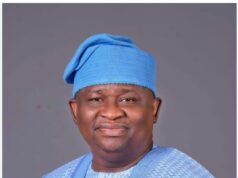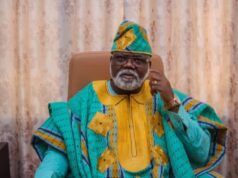













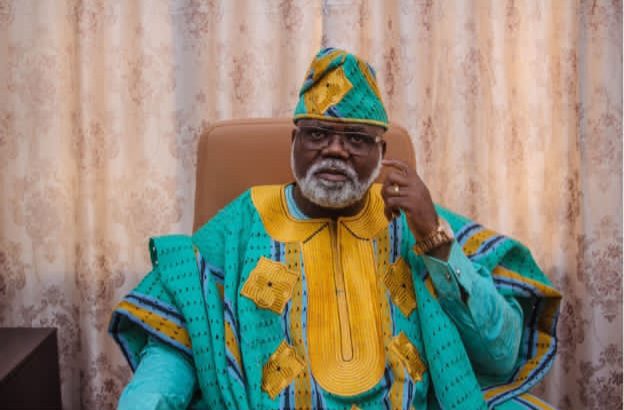
Barrister Niyi Aborisade is a human rights lawyer, poet, historian and governorship aspirant in Oyo State on the platform of the African Democratic Congress (ADC).
In this interview with MORNING STAR NEWS, Aborisade said no newcomers will be allowed to hijack the party.
There have been speculations about alliances, defections, and political realignments ahead of the next election. What is your reaction to these developments?
Politics is dynamic; it is never static. As elections approach, it is natural for politicians to reconsider their positions and explore alliances or even move from one party to another. That is part of the democratic process. However, while people are free to make political choices, it is important that such movements are done with respect for existing structures within political parties.
In our case, the African Democratic Congress (ADC) is not a party without organisation or leadership. We have a well-established structure from the national level down to the grassroots. We have people who have worked tirelessly over the years to build the party and give it credibility among the electorate. Because of that, anyone who wishes to join us must understand that there are processes and rules guiding how the party operates.
We welcome new members. Politics should not be closed to new ideas or new people. However, it would be wrong for someone to assume that they can just walk into a party and immediately take control of its machinery. That would be unfair to those who have laboured for the party for years.
So, yes, we welcome alliances and new members, but such relationships must be based on mutual respect and a commitment to strengthening the party rather than destabilising it.
Do you believe these new entrants could significantly influence the direction of your party in the state?
Influence in politics should come through commitment, participation, and respect for the party’s internal processes. Anyone who joins a political party should be ready to work with others and contribute to the collective goals of the organisation.
Of course, when experienced politicians join a party, they bring their own strengths, supporters, and ideas. That can be beneficial. It can help strengthen the party’s base and expand its reach. But it must happen in a way that maintains unity and stability.
What we will not allow is a situation where someone joins the party and immediately begins to dictate terms or create division. That is not how responsible politics works. Our party is built on teamwork and collaboration.
If people come with sincerity and a willingness to contribute positively, they will be welcomed and given opportunities to participate. But they must do so within the framework of the party.
There are many gladiators in the APC who are aspiring to govern the state. People like Bayo Adelabu, Teslim Folarin, Senator Sarafadeen Alli, Remi Oseni, and others. Can you face these people during the election?
Their party, the APC, has failed Nigerians. The electorate will not entrust them with the leadership of Oyo State. Take the minister of power, for example—he has failed to deliver electricity, leaving Nigerians in darkness. Oyo people will not vote for him to be governor because he has consistently demonstrated a lack of competence. If his performance is not a personal failure, then he ought to have resigned as minister.
Teslim Folarin has contested several times and has not been able to secure victory on his own merit. Senator Sarafadeen Alli narrowly won his last election, largely due to compromises made by Governor Seyi Makinde. In that same election, Olasunkanmi Tegbe was poised to win the senatorial seat. These examples show that money and influence alone cannot secure victory.
By the time the APC picks its candidate, many of these aspirants will recognise the strength of our vision and join me in working for a collective victory in Oyo State. The people are seeking leadership that delivers results, not politics of failure and unfulfilled promises. I am ready to face anyone in a fair contest because my plans for the state speak for themselves.
Are you confident that your party can win the next election in the state?
Yes, we are confident. The political atmosphere in the state is changing, and many people are beginning to look for alternatives. For years, the same political actors have dominated the scene, but many citizens now feel that the expected level of development and governance has not been fully achieved.
People want something different. They want leadership that is transparent, accountable, and focused on delivering real results. That is why you see many politicians and supporters showing interest in joining our party.
In addition, some political parties are facing internal crises. When parties are divided, it becomes difficult for them to present a united front during elections. That situation naturally creates opportunities for other parties that are more stable and organised.
ADC has continued to grow because people see it as a credible platform. We have structures across the state, and we are working hard to mobilise support at the grassroots level. With proper organisation and the support of the people, we believe we have a strong chance in the next election.
Among those interested in your party, who do you think could emerge as the party’s candidate?
Our party has several capable individuals who have the experience and capacity to contest elections successfully. Some of them have been involved in politics for many years and understand the challenges facing the state.
However, it would be premature to begin naming specific individuals at this stage. In any serious political party, candidates emerge through transparent and democratic processes. The party will conduct its primaries, and whoever wins will become the candidate.
What is important is that whoever emerges must have the support of the party and the confidence of the people. Elections are not just about individual ambition; they are about collective responsibility. Once a candidate emerges, the entire party will rally behind that person to ensure victory at the polls.
Some analysts argue that money politics still determines election outcomes in Nigeria. Do you agree?
I do not completely agree with that perspective. While money can influence certain aspects of politics, it cannot replace the will of the people. In the past, money politics may have played a more significant role. But things are changing. People are becoming more aware of their rights and more conscious of the importance of good governance.
Today, voters are asking questions. They want to know what a candidate has done in the past and what plans they have for the future. They are no longer satisfied with empty promises.
You may have money, but if the people do not trust you, it will be difficult to win their support. Elections are ultimately decided by voters at the polling units, not by the amount of money spent during campaigns.
What Nigerians want now is credible leadership—leaders who are honest, capable, and committed to improving the lives of the people.
What are your major concerns about governance in the state at the moment?
There are several areas that require urgent attention. One of the most important is education. The state has a proud history in education, but we must ensure that this legacy is sustained and improved upon. Many schools still face challenges such as inadequate infrastructure, overcrowded classrooms, and insufficient learning materials. If children are forced to learn in poor environments, it affects their ability to succeed academically.
Education is the foundation of development. The children we are educating today will become the leaders of tomorrow. If we neglect their education, we are jeopardising the future of the state.
Another concern is the need for greater economic opportunities for young people. Many youths are talented and hardworking, but they struggle to find opportunities to express their potential.
Government policies should focus on creating jobs, supporting entrepreneurship, and providing training that prepares young people for the modern economy.
If given the opportunity to govern, what areas would your administration prioritise?
Our administration would focus on three key areas: education, economic development, and social justice. In education, we would work to improve school infrastructure, provide better learning materials, and support teachers with the resources they need to perform effectively.
In terms of economic development, we believe that agriculture and tourism have enormous potential in the state. With the right policies and investments, these sectors can generate significant revenue and create thousands of jobs.
Agriculture, in particular, can transform rural communities by increasing income levels and improving food security. At the same time, tourism can attract visitors and investors, boosting local businesses.
Social justice is also important. Government policies must ensure fairness and equal opportunities for all citizens, regardless of their background or social status.
There have been concerns about rising debt levels in many states. What is your position on borrowing?
Borrowing is not necessarily bad. In many cases, governments borrow money to finance development projects that benefit the public. However, borrowing must be done responsibly. There must be a clear plan for how the borrowed funds will be used and how the loans will be repaid.
If borrowing becomes excessive or poorly managed, it can place a heavy burden on future generations.
That is why it is important for governments to focus on improving internally generated revenue (IGR). By strengthening revenue collection systems and developing productive sectors of the economy, the state can generate more income without relying too heavily on loans.
Transparency is also essential. Citizens have the right to know how public funds are being used.
There have been discussions about government spending on projects such as the renovation of public buildings. What is your view on this?
Development projects are important because infrastructure is necessary for effective governance. However, every project must be carefully evaluated to ensure that it represents good value for public money.
At a time when many citizens are facing economic challenges, government spending should be prioritised in areas that directly improve the lives of the people.
Transparency and accountability must guide every decision involving public funds. Government officials must be prepared to explain how resources are allocated and why certain projects are considered necessary.
Public funds belong to the people, and those entrusted with managing those funds must always remember that responsibility.
What message do you have for the people of the state?
My message to the people is one of hope and responsibility. The future of our state depends on the choices we make today. People are tired of politics that focuses only on power without delivering meaningful development. What citizens want is leadership that listens, understands their challenges, and works sincerely to address them.
Good governance requires partnership between leaders and citizens. Government must be transparent and accountable, while citizens must remain engaged in the democratic process.
If we work together with honesty and determination, we can build a state that offers better opportunities, stronger institutions, and a brighter future for everyone. That is the vision we are committed to pursuing.
Advertisement