













Adolescents and young people in Oyo State are increasingly avoiding sexual and reproductive health services, prompting concern from health authorities and civil society organisations about rising risks to youth well-being.
Opeyemi Makanjuola, Productive Health Consultant for the Health and Community Empowerment for Youth (HACEY), revealed that feedback from focus group discussions across the state shows widespread reluctance among young people to access reproductive services. “Many of them feel judged when they visit health centres, and some avoid seeking care entirely,” Makanjuola said.

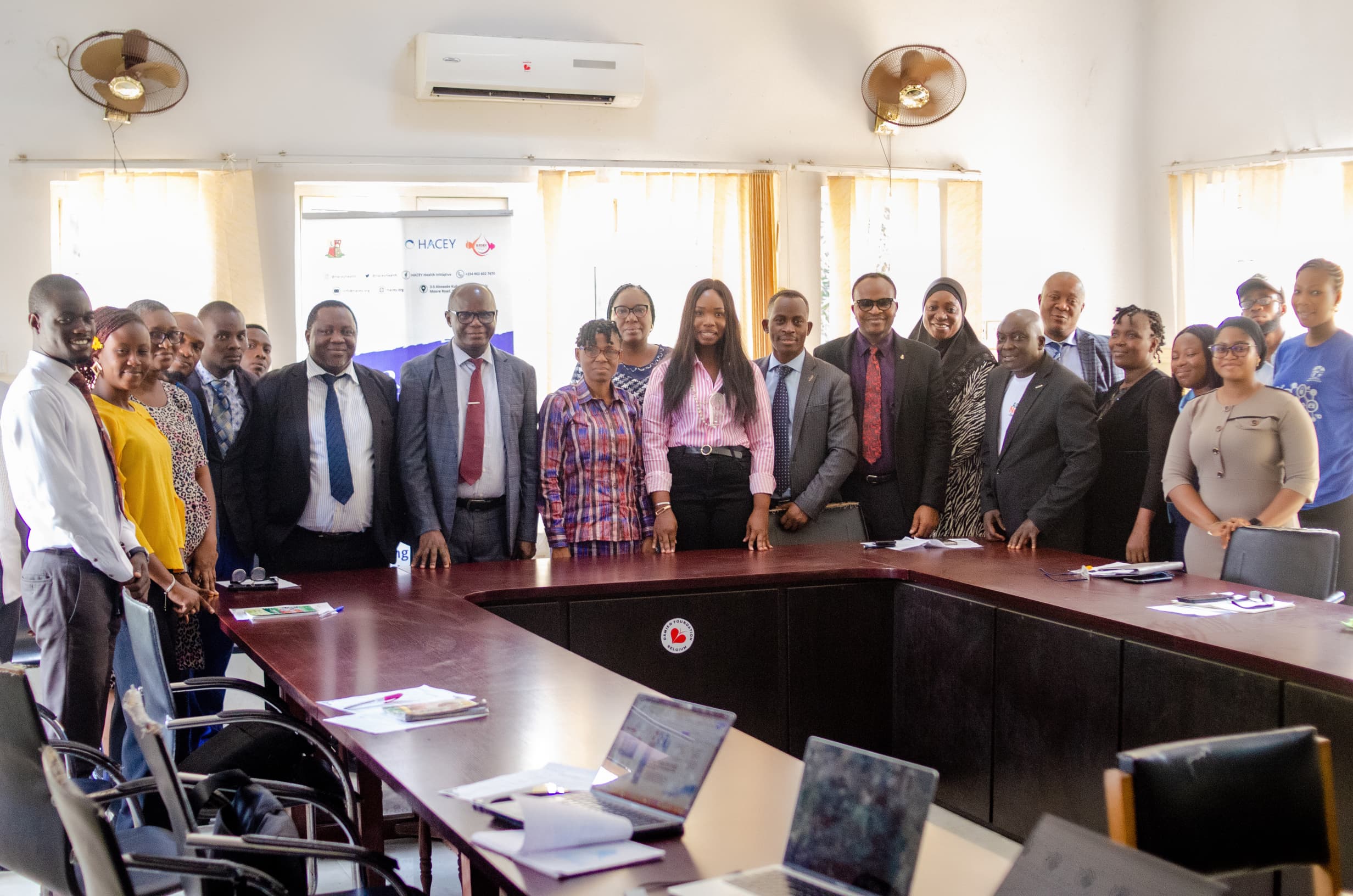
Makanjuola revealed this during the presentation of the findings at the Conference Hall of the Oyo State Ministry of Health, Ibadan.
Present at the presentation were Dr. Ajetunmibi Oluwaserimi, Oyo State Commissioner of Health; Ayinde Akintunde (Permanent Secretary of the Ministry of Health) and others.
The findings emerged from HACEY’s ongoing Amplified Change Sexual and Reproductive Health Project, which evaluates barriers preventing young people from obtaining critical health services, including treatment for sexually transmitted infections (STIs), family planning, and reproductive health counseling. The project’s data indicates that traditional service models often fail to meet the privacy, accessibility, and empathy needs of adolescents, leaving them vulnerable to preventable health risks.
“We’ve documented what works and what doesn’t on the ground. Young people told us that even where services exist, the way they are delivered makes them uncomfortable. They worry about being judged or exposed when they go to health centres or school-based programmes,” Makanjuola said.
To tackle these barriers, HACEY has proposed a multi-pronged approach. Central to the plan is youth-friendly training for healthcare providers, aimed at fostering empathy, discretion, and approachability. Resource personnel will be deployed to conduct training in primary healthcare centres and general hospitals across the state. Additionally, the organization is exploring digital platforms that allow adolescents to access confidential information, ask questions about sexual and reproductive health, and make informed decisions in a safe and private environment.
The Oyo State Ministry of Health has also weighed in on the matter. Dr. Babatunde Akintunde, Director of Public Health, emphasized the importance of community engagement in bridging the gap between young people and services. “We must involve parents, traditional rulers, religious leaders, and women’s organizations to ensure adolescents have unrestricted access to reproductive health care. If young people are denied these services, complications can become burdensome and long-lasting,” Dr. Akintunde said.
A key component of the strategy involves focal persons from the youth population to ensure freedom of choice and confidentiality. By empowering young people to take charge of their health, officials hope to remove the stigma associated with seeking reproductive care. “Every adolescent should feel confident to seek help, whether for STIs like HIV, gonorrhea, or for family planning,” Dr. Akintunde added.
Adeniyi Ademola, Adolescent Desk Officer for the Oyo State Primary Healthcare Board, highlighted the urgent need to reach young people even in the most challenging environments. “Youth at the grassroots level must be reached regardless of barriers. We cannot neglect them. There are real dangers, including sexual abuse and other threats, that require immediate attention,” Ademola said.
The collective stance of health authorities and advocacy groups signals a shift toward comprehensive youth engagement, emphasising accessibility, confidentiality, and empathy in service delivery. Authorities are calling for urgent reforms to policies, training programs, and outreach strategies to ensure adolescents can access the sexual and reproductive health services they need without fear or judgment.
Makanjuola stressed that while programs for adults in reproductive health are well-established, the same attention has not been given to adolescents. “This is the age of experimentation, curiosity, and risk-taking. If we fail to provide youth-friendly services, we are failing to protect a generation,” she said.
State officials have committed to continued collaboration with HACEY and other stakeholders to implement reforms that make healthcare centres more approachable for young people. By combining training, policy review, community engagement, and digital innovation, Oyo State aims to break down barriers and foster a generation of young people who are informed, empowered, and confident in making decisions about their sexual and reproductive health.