















The United Nations Children’s Fund (UNICEF), the Federal Government and a Professor of Broadcasting Development and Political Communication at the University of Uyo, Charles Obot, have called on journalists across Nigeria to uphold the highest ethical standards in child rights reporting, stressing that responsible storytelling remains critical to protecting the dignity and well-being of the Nigerian child.
UNICEF Chief of Lagos Field Office, Celine Lafoucriere; the Permanent Secretary, Federal Ministry of Information and National Orientation, Ogbodo Chinasa Nnam and Prof. Obot made the call during a two-day training on Ethical Journalism and Child Rights Reporting held at Kakanfo Inn, Ibadan, Oyo State, from October 27 to 28.

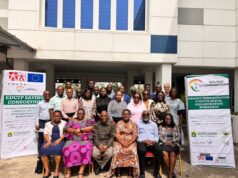
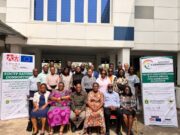
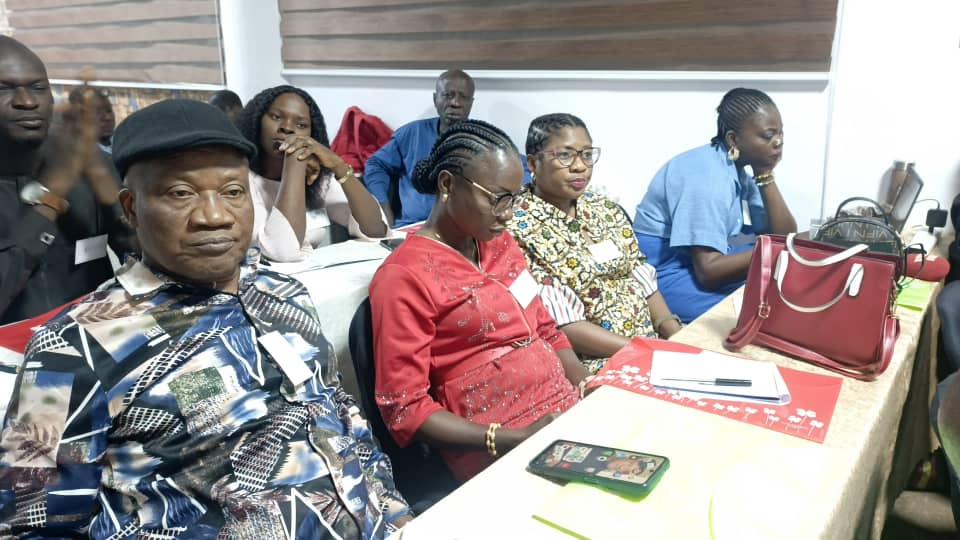
The workshop was organised by the Child Rights Information Bureau (CRIB) of the Federal Ministry of Information and National Orientation, in collaboration with UNICEF, and brought together media practitioners from the South-West, Edo, and Delta States.
In her keynote address, UNICEF Chief of Lagos Field Office, Lafoucriere, described ethical reporting as “not just a professional standard but a moral imperative” that shapes how society views and treats its children.
“At UNICEF, we believe every child has the right to be seen, heard, and protected. Ethical reporting means protecting children’s identities, avoiding sensationalism, and ensuring that their stories are told with dignity and care. When journalists report responsibly, they not only protect children, they build trust and help communities heal and grow,” Lafoucriere said.
UNICEF Chief of Lagos Field Office emphasised that journalists, through the narratives they create, possess the power to shape the nation’s future and influence generational attitudes toward child welfare.
The Assistant Director and Head of Advocacy at CRIB, Temitoye Falayi, who represented the federal permanent Secretary reminded participants of their vital role in shaping public perception.
“The media has the power to inform, inspire, and hold institutions accountable. But with that power comes responsibility, the responsibility to uphold integrity and respect for human dignity.Every image, every word, and every frame involving a child carries consequences. We must protect children’s identities and amplify their voices responsibly ,” Falayi stated, noting that the training aligns with the broader national agenda to promote ethical standards consistent with the Child Rights Act (2003) and international instruments such as the UN Convention on the Rights of the Child (CRC) and the African Charter on the Rights and Welfare of the Child.
On his part, Prof. Obot urged media organisations to institutionalise ethics through internal codes of conduct.
“Every media house should have clear guidelines for child-sensitive reporting, just as citizens are guided by the constitution,” he said.
Also speaking, UNICEF Communication Consultant, Dr. Geoffrey Njoku, traced the evolution of child rights from the Universal Declaration of Human Rights (1948) to the Convention on the Rights of the Child (1989), which Nigeria ratified in 1991.
He stressed that while robust legal frameworks exist, their impact depends on implementation and advocacy, areas where the media remains indispensable.
“Laws and conventions are important, but without public awareness and consistent reporting, they remain mere documents. Journalists must see themselves as partners in protecting children, not just storytellers, but watchdogs ensuring accountability,” Njoku said.
He lauded states such as Lagos for establishing family courts and child protection committees, describing them as practical steps toward safeguarding children’s rights.
Participants at the training were unanimous that ethical child rights reporting extends beyond avoiding harm, it includes promoting inclusivity, highlighting success stories, and providing platforms for children to share their own voices and aspirations.