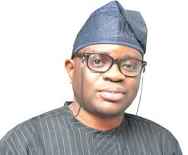










A renowned scholar of International Relations, Prof. Alade Fawole, has warned that recent US military action in Nigeria is not motivated by altruism but primarily serves American interests, and could further exacerbate the country’s security challenges.
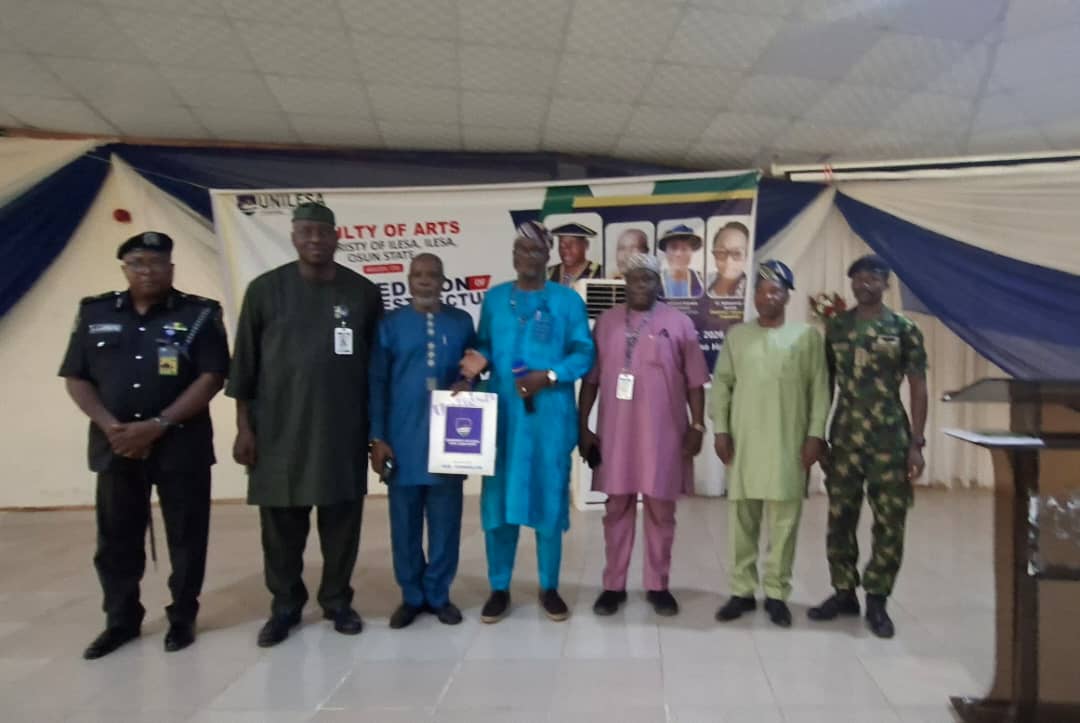
Fawole gave the warning on Tuesday during the maiden edition of the annual guest lecture organised by the Faculty of Arts, University of Ilesa, Osun State, themed “The Nigerian Security Quagmire and External Intervention: Implications, Lessons and the Way Forward.”

Speaking on the implications of foreign interventions, Fawole described the US bombing of alleged terrorist bases in Sokoto State, which also caused collateral damage in Offa, Kwara State, as a “clear violation of Nigeria’s territorial integrity and sovereignty.”
“The US intervention is transactional, not humanitarian. External involvement of this nature carries serious consequences for national security and unity,” he said, adding that Nigerians themselves bear part of the responsibility through propaganda and “demarketing” of their own country.
Fawole dismissed claims of Christian genocide in Nigeria, describing them as unsubstantiated and opportunistically exploited by external actors to justify unilateral military actions. He urged confidence in the capacity of the Nigerian Armed Forces to manage domestic insecurity, stressing that no foreign intervention can resolve internal crises without proactive domestic governance.
Highlighting the country’s complex security challenges, he listed terrorism, insurgency, banditry, kidnapping, economic sabotage in the Niger Delta, land-grabbing, and maritime criminality in the Gulf of Guinea. He stressed that each threat requires a tailored, multidimensional approach rather than a “one-size-fits-all” solution.
“External actors are rarely neutral or benevolent. Their interventions often worsen conflicts rather than resolve them,” Fawole said, warning that the US involvement could intensify violence, further destabilise communities, and complicate counter-terrorism efforts.
He called for stronger governance, investment in education, post-conflict rehabilitation, and justice for victims of insecurity as sustainable measures to restore peace and stability in Nigeria.
Earlier, the Vice-Chancellor of the university, Prof. Taiwo Olufemi Asaolu, stressed the need for comprehensive, home-grown solutions to Nigeria’s protracted security crisis, warning that foreign assistance may offer temporary relief but lasting peace must be rooted in internal reforms and strengthened institutions.
Describing Nigeria as the “Giant of Africa,” Asaolu noted that the nation faces insurgency in the North-East, banditry in the North-West, communal clashes in the Middle Belt, separatist agitations in the South-East, and emerging cyber-related threats. He cited the 2014 Chibok schoolgirls’ abduction as a reflection of governance and intelligence gaps that drew international attention and intervention.
While acknowledging the value of foreign assistance, including ECOWAS and United Nations support, Asaolu raised concerns about long-term dependency, asking, “How do we balance sovereignty with collaboration? At what point does assistance become dependency?”
He argued that Nigeria’s security crisis is intertwined with unemployment, weak institutions, corruption, social injustice, and erosion of public trust. “Where governance fails and young people see no pathway to dignity and economic inclusion, extremist ideologies and criminal networks will inevitably find fertile ground,” he said.
Asaolu emphasised the role of education, research, and the humanities in addressing national challenges and fostering dialogue. He advocated a multidimensional approach that includes security sector reform, community policing, youth empowerment, economic diversification, and transparent governance.
The Acting Dean of Arts, Dr. Rahman Adewale Abdul-Azeez, described the lecture as a defining moment for the faculty and the university, noting that insecurity is tied not only to weapons but also to history, identity, and governance failures.
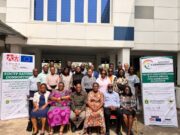
The Acting Head of the Department of History and International Relations and LOC chairman, Dr. Adebukola Ayoola, praised Fawole for his deep insights and practical solutions, while ACP Ademola Adebayo, representing the Osun State Commissioner of Police, Ibrahim Gotan; the Registrar of the university, Mr. Funso Ojo; Prof. Gbanga Fasiku from the Obafemi Awolowo University, Ile-Ife, Osun State and other dignitaries were also in attendance.