












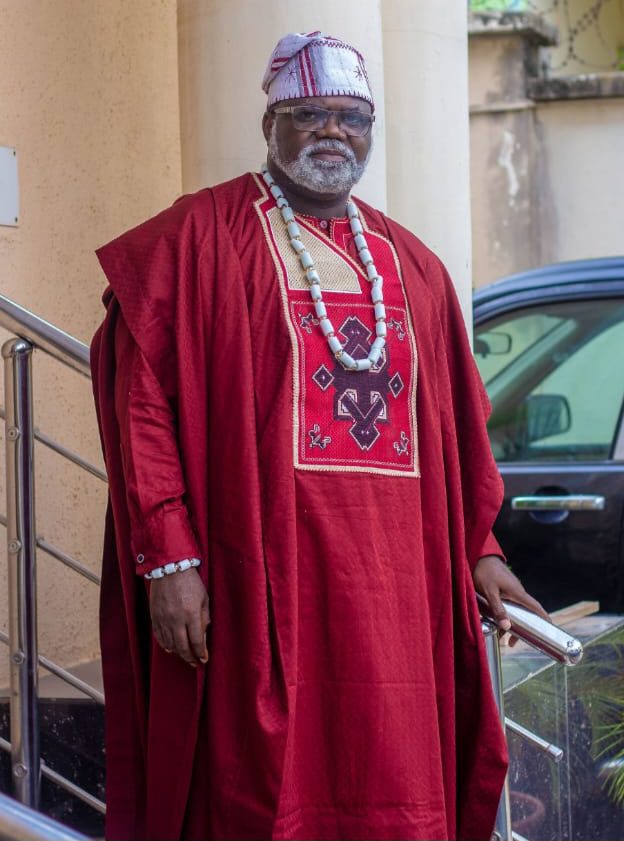
A chieftain of the African Democratic Congress (ADC) in Oyo State, Barrister Niyi Aborisade [BANA], on Sunday described the exit of Labour Party presidential candidate in the 2023 general election, Mr. Peter Obi, from the party as “unfortunate,” but maintained that it would not weaken the ADC’s growing political structure ahead of future elections.
Aborisade, who spoke on the political implications of recent realignments within opposition ranks, said Obi’s decision to leave the ADC at a critical moment was disappointing, especially given expectations that he would participate in the party’s internal democratic process.


According to him, the strength of any political party lies in its ability to test its popularity through transparent primaries rather than external endorsements or alliances.
“It is a pity that Obi has to leave our party, the ADC, at this crucial time. He should have believed in himself and participated in the primaries with us. That way, he would have tested his popularity within the party structure,” he said.
The ADC governorship aspirant in Oyo State argued that Obi’s earlier political trajectory, particularly during the 2023 election cycle, reflected similar patterns of disengagement from structured party processes, a development he said had become a recurring concern for political observers.
“The same thing happened in 2023. I have described the Ibadan Summit as a waste of time and resources. Nothing concrete emerged from it, and the fallout included Obi’s exit from the party,” he added.
Despite these setbacks, the ADC chieftain insisted that the party remains resilient and continues to attract prominent political figures across the country. He said the party’s ideological positioning and internal reforms make it an increasingly viable alternative in Nigeria’s evolving political landscape.
Aborisade expressed confidence that the ADC would play a significant role in the 2027 general elections, stressing that the party’s growth trajectory has not been derailed by recent political movements. He further predicted that Nigeria’s next presidential race would likely be a three-horse contest, with votes split among major political platforms. However, he maintained that the ADC would emerge stronger from the competition due to what he described as its expanding grassroots appeal and organisational strength.
“The ADC will continue to attract bigwigs and will remain a strong contender in the general elections. The race for the presidency is likely to be a three-horse race, and while votes may be split, ADC will prevail,” he said.
Aborisade urged party members to remain focused on strengthening internal cohesion and building structures capable of sustaining long-term political relevance, rather than relying on high-profile defections or alliances. He added that the future of opposition politics in Nigeria would depend on discipline, ideological clarity, and commitment to internal democracy, rather than personality-driven movements.