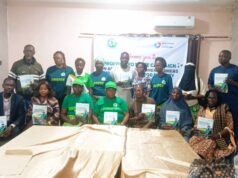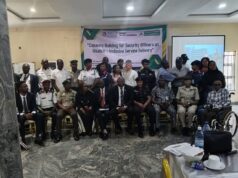




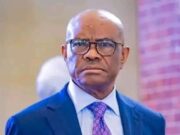



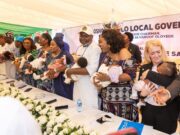




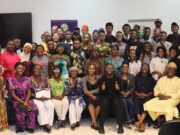


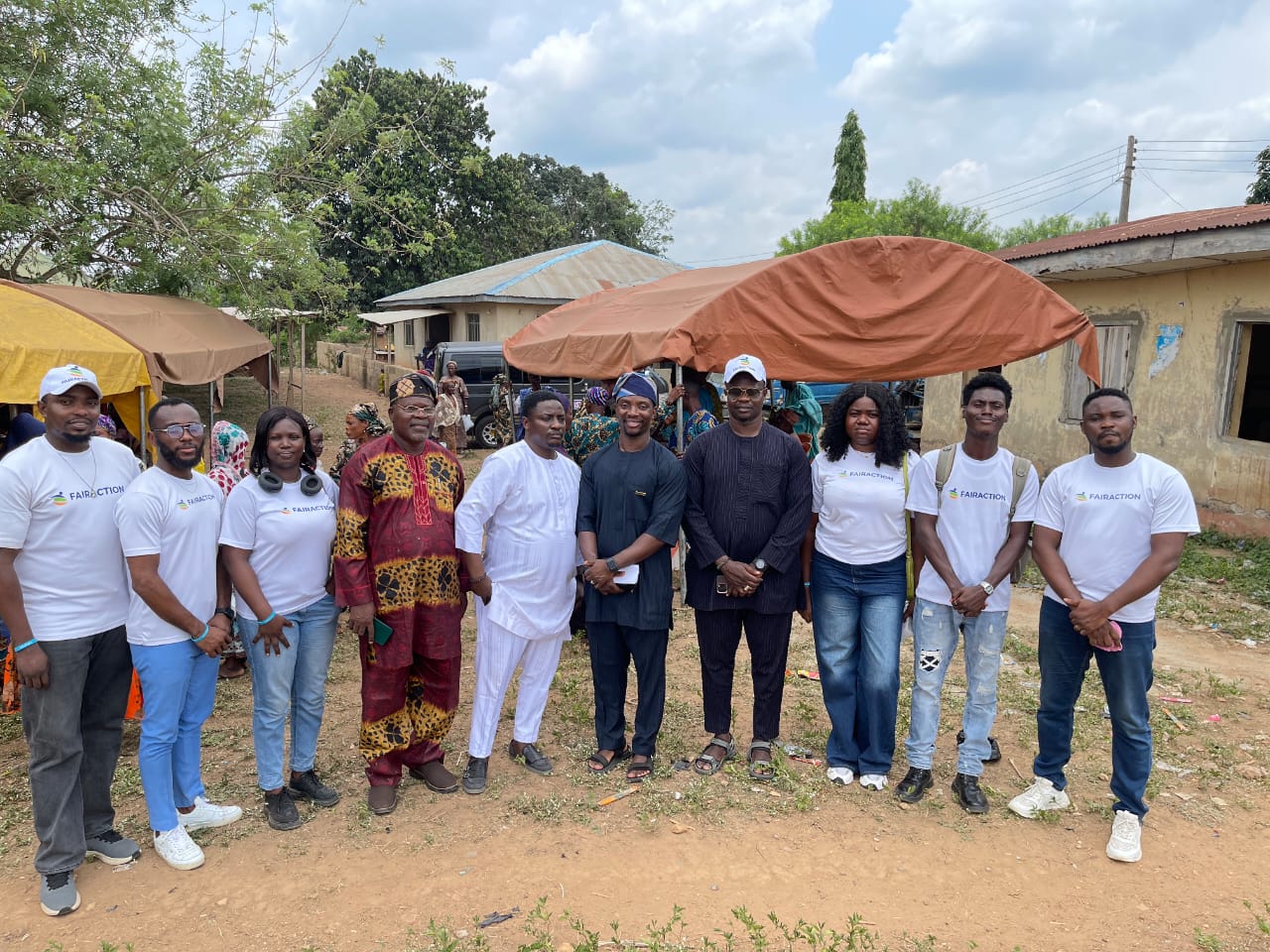
Winjobi, who is the National Coordinator of Fairaction Nigeria, disclosed this during the 2026 World Water Day celebration held in Arulogun, Akinyele Local Government Area of the state.
According to him, a significant number of residents in rural areas rely on contaminated sources such as rivers, streams, ponds, and unprotected wells for their daily water needs, exposing them to water-borne diseases and other health challenges.


He noted that despite the availability of water in some areas, access to safe and potable water remains critically low, with only a fraction of households enjoying reliable supply. The situation, he said, has forced many families to depend on self-supplied sources, which are often unsafe and inconsistent.
The expert warned that the implications of unsafe water consumption are severe, linking it to the prevalence of diseases such as typhoid fever, cholera, and dysentery, particularly in rural communities like Akinyele. He added that these health challenges have continued to place a burden on already vulnerable populations, especially children and women.
“Access to clean water is not just a basic necessity; it is a fundamental human right. The reality in many rural communities in Oyo State is alarming and requires urgent intervention,” he said.
Winjobi further explained that the lack of potable water has affected other sectors, including education and economic productivity. He pointed out that many children miss school due to water-related illnesses, while women and girls spend long hours fetching water from distant sources, reducing time for education and income-generating activities.
He also decried the poor state of infrastructure in many rural communities, noting that the absence of functional health facilities, electricity, and good road networks has compounded the challenges faced by residents.
Calling for urgent action, Winjobi urged the Oyo State Government to prioritise investment in water infrastructure, improve supply systems, and increase budgetary allocation to the sector. He stressed that achieving Sustainable Development Goal 6 on clean water and sanitation would remain unattainable without deliberate and sustained efforts.
The expert also advocated stronger collaboration between government, communities, and non-governmental organisations to develop sustainable solutions, including the deployment of solar-powered water systems to underserved areas.
He emphasised the need for public awareness on hygiene practices and the protection of water sources from contamination, adding that community participation is critical to addressing the crisis.
Winjobi warned that unless urgent steps are taken, the continued reliance on unsafe water sources could further worsen public health outcomes and hinder socio-economic development across rural communities in the state.