













 Households in Nigeria have been encouraged to adopt backyard farming as a sustainable approach to improving access to organic food, using climate-smart agricultural practices to enhance food security and nutrition.
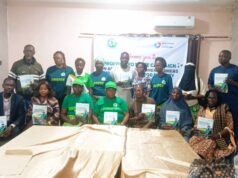
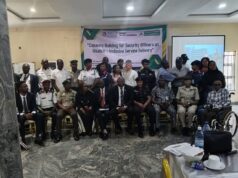
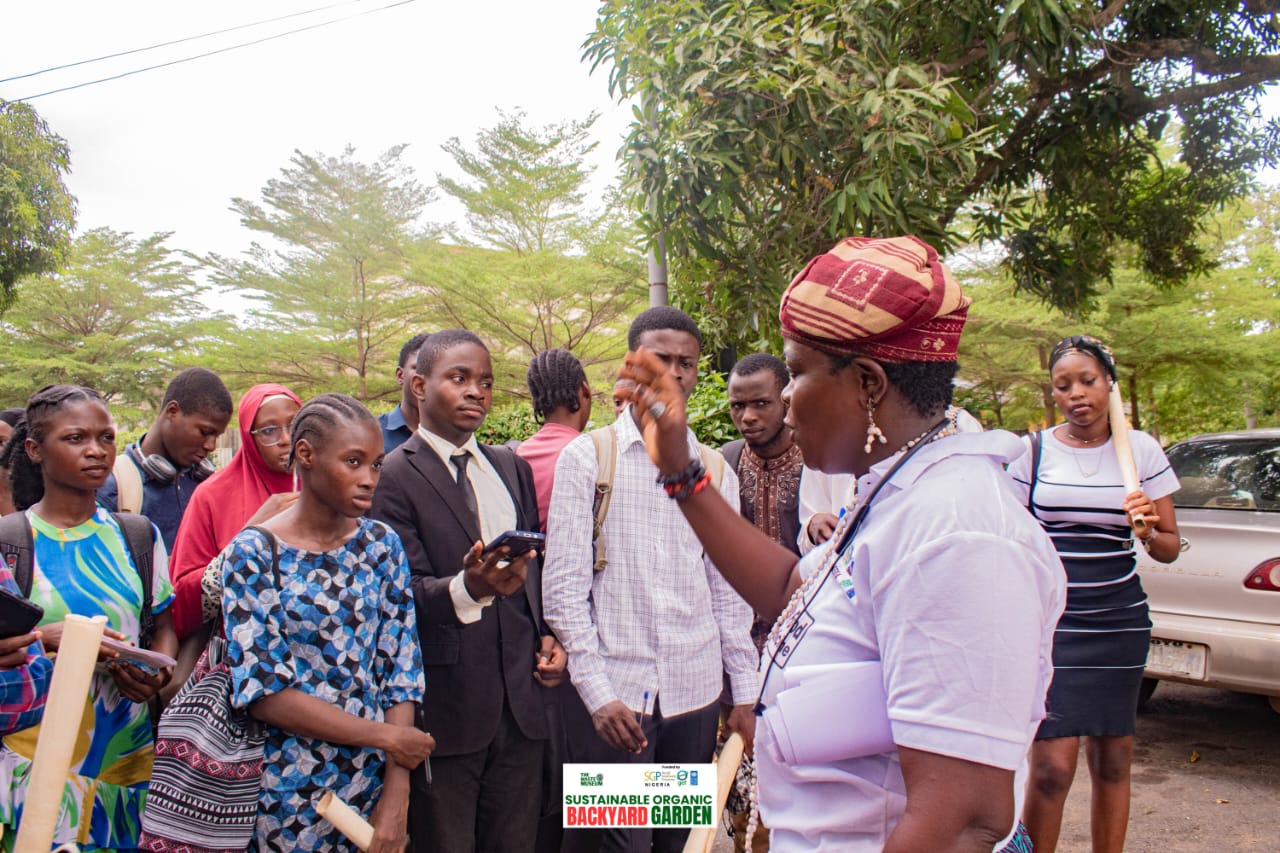
The charge was given at a three-day training on Sustainable Organic Backyard Gardening held in Agbowo, Apete, and Moniya areas of Ibadan, Oyo State.


The National Coordinator of the UNDP Global Environment Facility Small Grants Programme, Ibironke Olubamise, said the initiative was aimed at empowering households to grow their own food while reducing dependence on chemically treated produce and improving household resilience.
According to her, backyard farming offers multiple benefits, including improved access to fresh organic vegetables, reduced food costs, and potential income generation for participating households.
“If you train people to plant vegetables and they get food from it, they are consuming food that is not chemically processed. They are also saving money because they harvest directly from their backyard,” she said, adding that sustained practice could also become a source of livelihood.
Olubamise urged community leaders to support and encourage residents to adopt backyard gardening, noting that opportunities for empowerment and funding exist for interested participants.
Founder and Creative Director of Waste Museum, Jumoke Olowookere, said the programme was designed to equip households with skills in composting, organic pest control, and efficient use of limited spaces for food production.
She explained that participants were being trained to convert waste into useful agricultural inputs, thereby promoting environmental sustainability and climate resilience.
A toxicologist at the Department of Chemical Pathology, University of Ibadan, Oluwakemi Ademola Aremu, also noted the need for behavioural change, stressing that Africans must begin to take greater ownership of sustainable food systems rather than relying heavily on external practices and ideologies.