














By many global standards, Nigeria is under-policed for a nation of over 220 million people. With rising security challenges across rural and urban communities, the question is no longer whether Nigeria needs more police personnel and stations, but how urgently the country can bridge the gap before insecurity further threatens national development.


Available records indicate that Nigeria currently has slightly above 370,000 police personnel serving the entire country. This translates to roughly one police officer to about 600 citizens, far below the international recommendation of approximately one officer to 400 people. To attain a safer and more responsive policing structure, experts estimate that Nigeria requires at least 560,000 police officers, meaning the country needs an additional 180,000 to 190,000 personnel.
The shortage becomes more alarming when viewed alongside the limited number of police stations nationwide. Nigeria reportedly operates about 2,000 police stations for a population larger than many African countries combined. Security experts and public policy stakeholders have argued that the nation may require about 5,000 well-equipped police stations to provide effective coverage across communities, highways, rural settlements, and growing urban centres.
However, increasing numbers alone will not solve the problem. Nigeria needs a modern policing system built on professionalism, intelligence gathering, technology, accountability, and community trust. Many police divisions operate without adequate patrol vehicles, communication gadgets, surveillance infrastructure, or sufficient operational funding. In several communities, officers still struggle with poor accommodation and inadequate welfare packages, conditions that affect morale and operational efficiency.
The country must also address the imbalance in deployment. A substantial number of officers are attached to VIPs and private individuals, leaving many communities exposed and under-protected. While dignitaries require security, the ordinary Nigerian citizen equally deserves safety and protection under the law.
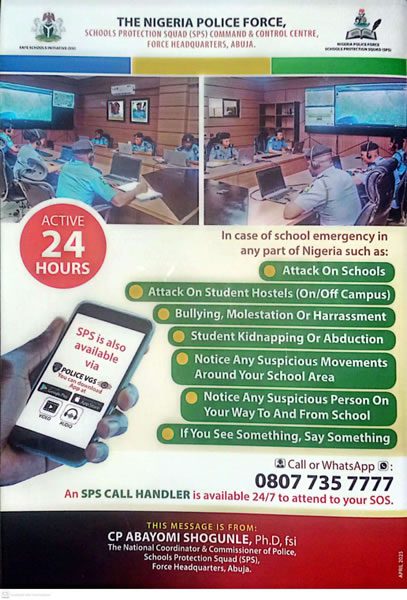
Beyond recruitment, government at all levels should invest in continuous training, digital policing systems, forensic laboratories, emergency response centres, and intelligence-driven operations. Community policing should also be strengthened to improve collaboration between citizens and security agencies. When communities trust the police, information sharing improves and crime prevention becomes more effective.
Nigeria’s growing youth population presents an opportunity. Recruiting and properly training thousands of young Nigerians into the police force can simultaneously improve security and reduce unemployment. A motivated and professional police force can become a major pillar for economic growth, investor confidence, and national unity.
No nation can achieve sustainable development without security. Farmers cannot freely cultivate their lands in unsafe environments. Businesses cannot thrive where kidnapping and armed robbery persist. Schools, hospitals, industries, and transportation systems all depend on public safety.
The future of Nigeria’s security architecture therefore lies not only in military operations, but in building a stronger, smarter, and community-oriented police system that is present and accessible in every local government and community across the federation.
The time to act is now. A safer Nigeria is possible when government, private sector stakeholders, community leaders, and citizens collectively support the urgent reform and expansion of the Nigeria Police Force.
About the Author
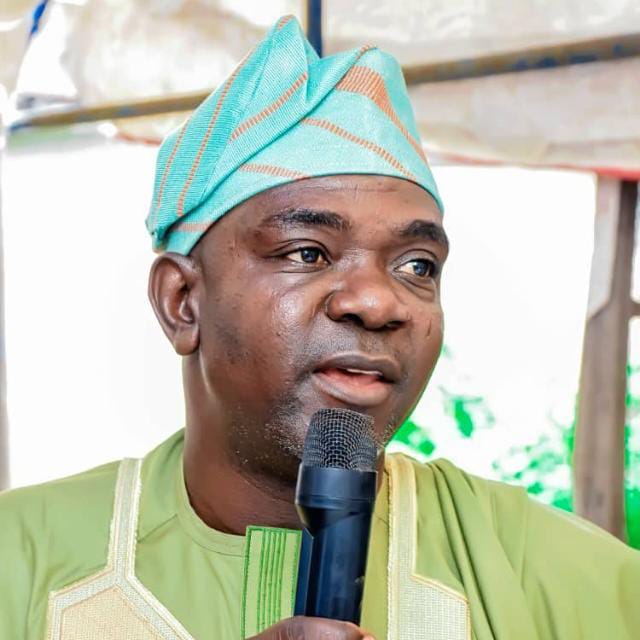
Community Servant, Mr. Kabiru Adeniyi ADISA FCA, is a humanitarian, accountant, development advocate, and Financial Controller with over 25 years of accounting experience and more than 13 years in the manufacturing sector. He is actively involved in youth empowerment, community development, education support initiatives, and policy advocacy across Nigeria.
Contact:
Telephone: +2348034978700
WhatsApp: +2348057783260
Instagram: adisa.k.adeniyi
X (Twitter): adisakabiru
Facebook: Community Servant