











For many years, old age in Nigeria was synonymous with respect, dignity and community support. Elderly men and women were revered as custodians of wisdom, family history and cultural values. Today, however, that reality is increasingly under threat as many older Nigerians grapple with neglect, isolation and abuse amid changing social and economic realities.
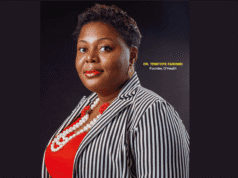
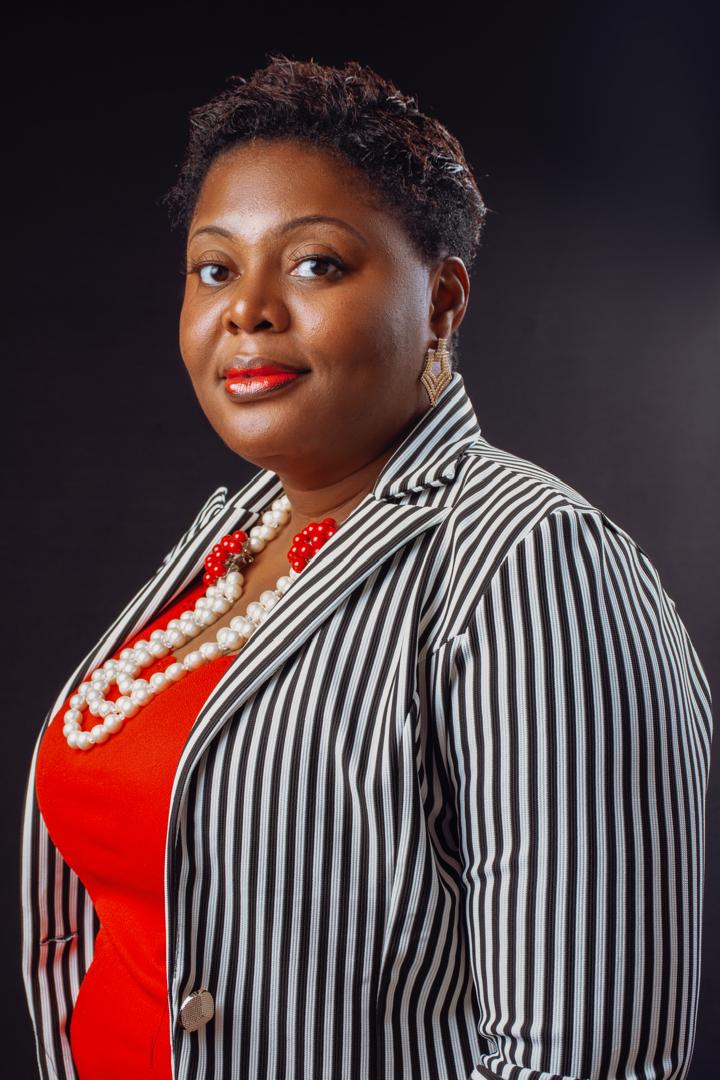
As the world marked the 2026 World Elder Abuse Awareness Day, a neurologist and brain health advocate, Dr. Temitope Farombi, has raised concerns over the growing vulnerability of elderly persons in Nigeria, particularly those living with dementia and other cognitive disorders.


According to Farombi, while advances in healthcare have contributed to longer life expectancy, the country has not done enough to build the structures needed to protect and support its ageing population.
“Older adults deserve to age with dignity, safety, respect and purpose,” she said. “Unfortunately, many are becoming increasingly vulnerable to abuse, neglect and exploitation.”
Farombi, who is the Founder of Brain Centre Neuro-Critical and Rehabilitation Services, Ibadan, as well as a Consultant Neurologist at the University College Hospital (UCH), Ibadan, noted that societal changes have weakened many of the traditional support systems that once protected older persons.
She explained that urbanisation, economic hardship and migration have altered family dynamics, leaving many elderly people isolated and without adequate care.
“Traditionally, older persons were highly respected and cared for within the extended family system. Today, many families are struggling with economic challenges, while younger generations are increasingly moving away from their communities in search of opportunities. These changes have created new vulnerabilities for older adults,” she said.
Particularly troubling, according to the neurologist, is the plight of older persons living with dementia and other neurological conditions.
She noted that cognitive impairment often affects memory, judgment and communication, making it difficult for victims to recognise abuse, report mistreatment or protect themselves from exploitation.
“As a neurologist and someone committed to brain health, I am particularly concerned about older adults living with conditions such as dementia, who are especially vulnerable to exploitation and neglect,” Farombi said.
Experts said elder abuse can take several forms, including physical violence, emotional abuse, financial exploitation, abandonment and neglect. Yet many cases remain hidden because victims are often reluctant or unable to speak out.
Farombi noted that in many instances, abuse occurs within familiar environments and is perpetrated by individuals trusted to provide care and support.
She argued that addressing the problem requires more than family intervention, insisting that governments, healthcare institutions, civil society organisations and communities must all play active roles in safeguarding the rights of senior citizens.
According to her, Nigeria needs stronger legal and institutional frameworks capable of protecting older persons and ensuring that cases of abuse and neglect are properly reported and addressed.
She also stressed the need for greater support for caregivers, many of whom face enormous emotional, physical and financial pressures while caring for ageing relatives.
Without adequate support systems, she warned, caregivers can become overwhelmed, creating conditions that may compromise the quality of care available to elderly persons.
Farombi advocated increased investment in healthy ageing programmes and the development of age-friendly communities that promote independence, social participation and wellbeing among senior citizens.
She explained that social inclusion remains one of the most effective ways of protecting older adults from loneliness, isolation and vulnerability.
“Communities must create opportunities for older people to remain active, connected and engaged. Nobody should become invisible simply because they have grown old,” she said.
The neurologist also urged Nigerians to become more vigilant in identifying and reporting signs of elder abuse, noting that silence often allows abuse to continue unchecked.
For her, World Elder Abuse Awareness Day should serve as more than an annual observance. Rather, it should be a wake-up call for governments, families and institutions to prioritise the welfare of older persons.
As Nigeria’s elderly population continues to grow, experts believe the challenge is no longer whether action is necessary, but how quickly and effectively the country can respond.
Farombi insists that the answer lies in collective responsibility.
“The way a society treats its elderly population reflects its values, humanity and commitment to justice. Growing older should never mean becoming voiceless, invisible or vulnerable,” she said.
For millions of older Nigerians, that aspiration may depend on how urgently the country acts to protect those who once spent their productive years building families, communities and the nation itself.