






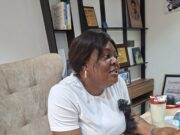
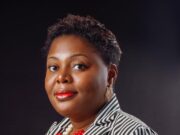





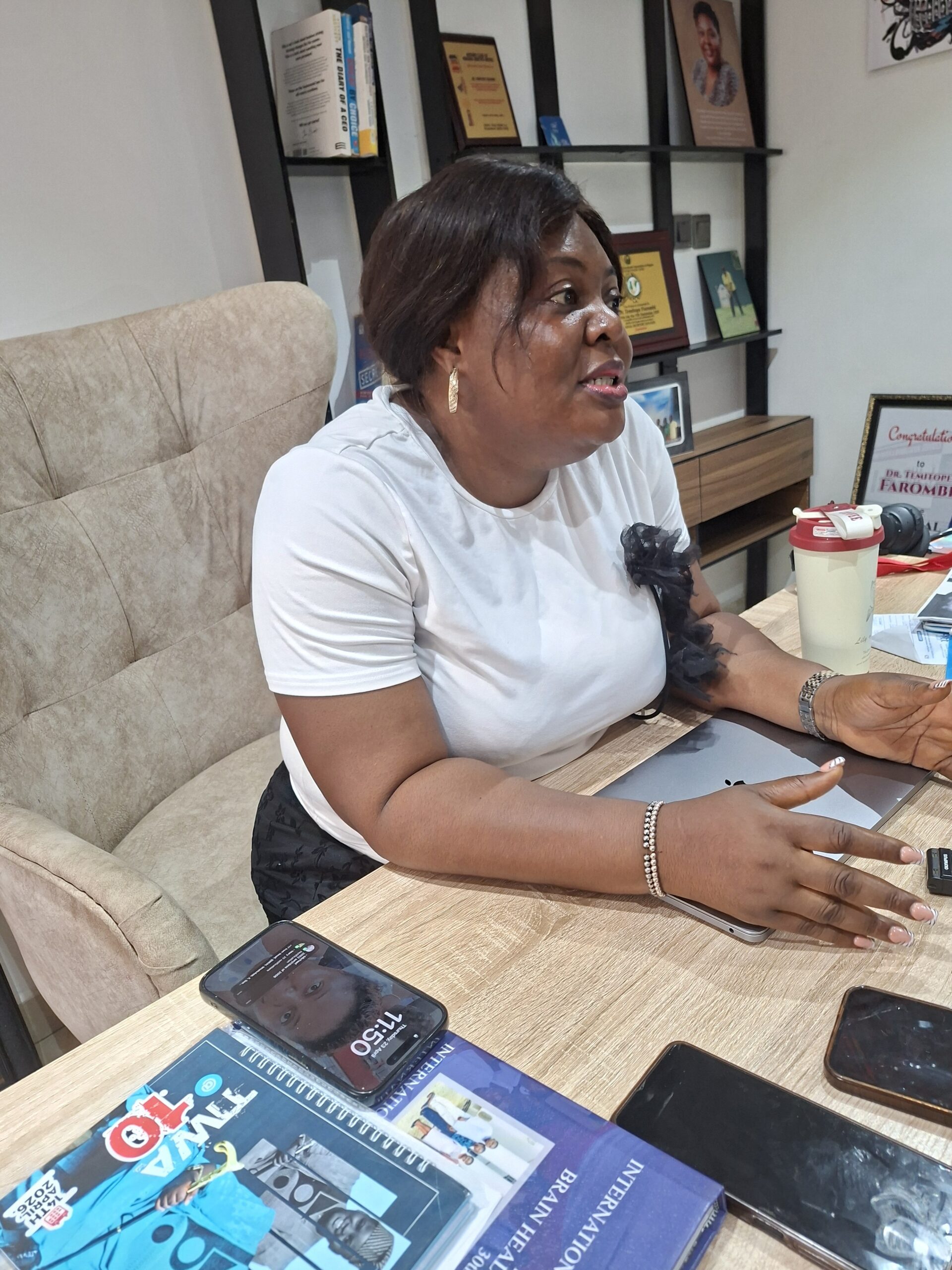
Dr. Temitope Farombi is a Consultant Neurologist at the University College Hospital (UCH) and Founder of Brain Centre Neurological and Rehabilitation Services, Ibadan. In this interview with ESTHER SANGODELE, Dr. Farombi says Nigeria needs a National Dementia Plan before the crisis deepens, warning that the dementia burden will worsen without urgent government action.


You recently traveled to Cameroon. How was the experience?
It was a great experience. I joined colleagues from different countries to train young professionals and enthusiasts in brain health. The programme focused on building their skills so they would be better support and care for people living with neurological conditions.
What were the major takeaways from the trip?
The biggest takeaway is that governments across Africa need to invest more in young people. Africa has a predominantly youthful population, but we also have a growing number of older adults living with brain disorders. At the same time, many young people engage in harmful behaviours, including substance abuse, that can damage brain health. Governments should therefore reduce these risks, equip young people with relevant skills, and ensure there are enough trained professionals to care for people with neurological conditions.
You have spoken extensively about dementia. How serious is the burden of dementia in Nigeria?
The burden is becoming serious. Although Nigeria has a relatively young population, between eight and ten per cent of Nigerians are aged 60 years and above, about 20 million people. This is a large population at risk of developing dementia. Unfortunately, public awareness of dementia remains very low, especially among people with limited formal education. As a result, the burden on individuals, families, communities and the nation continues to grow.
Nigeria also lacks a National Dementia Plan. The best time to have introduced one was yesterday; the next best time is today. Such a plan would address the medical, social and welfare needs of people living with dementia, as well as provide support for families and caregivers.
So, can you say the burden is already significant?
Yes, it is significant, and if nothing is done, it will only become worse.
What early warning signs of dementia should families look out for?
Families should pay attention when a person begins to experience persistent forgetfulness that causes concern either to themselves or to those around them. Warning signs include difficulty remembering familiar names, places or faces, repeating the same questions or words repeatedly, becoming unable to recognise familiar people, or getting lost in familiar environments.
When these symptoms appear, families should seek medical evaluation promptly because early diagnosis leads to better care and better outcomes.
Many people mistake dementia for normal ageing. How can they distinguish between the two?
Aging is a normal physiological process. As we grow older, some degree of forgetfulness may occur, but people can still function independently.
Dementia, however, is a disease of the brain. It is not a normal part of ageing. People living with dementia not only experience memory loss but also lose the ability to perform everyday activities such as managing finances, carrying out personal care, running their businesses or performing routine tasks. The key difference is that dementia affects both memory and daily functioning.
What challenges do families face when caring for people living with dementia?
The challenges are enormous. Financially, caring for someone with dementia is expensive. Family members also devote significant time to caregiving, often sacrificing their own jobs and income.
Transportation to hospitals, medication costs and continuous supervision all add to the burden. Beyond these, stigma remains a major problem because many people still misunderstand dementia. This affects the dignity of both the patient and the family, creating emotional and psychological stress.
How can government and healthcare institutions improve support for dementia patients and caregivers?
The first step is creating awareness so that people understand dementia is a disease and not simply old age. Government should establish clear referral pathways so people know where to seek specialist care. Dementia diagnosis and treatment should be covered by health insurance.
Government should also strengthen the prevention and treatment of risk factors such as hypertension, diabetes and high cholesterol, all of which increase the risk of dementia. There is a great deal government can do to improve the quality of life of people living with dementia.
What major healthcare reforms are needed to improve neurological care in Nigeria?
Neurological care is highly specialised, yet Nigeria has fewer than 100 neurologists serving a population of over 200 million people. Another major challenge is the fragmentation of healthcare delivery. Specialists work mainly in teaching hospitals, while primary healthcare centres often lack an effective referral system.
Government should strengthen referral pathways so patients can move smoothly between primary care and specialist services. Every Nigerian should ideally be attached to a primary care physician whose medical records can be transferred whenever necessary.
I also recommend establishing Brain Health Desks in local government areas and providing specialised training for primary healthcare doctors in conditions such as dementia, epilepsy and headache disorders. This would improve early diagnosis and ensure timely referrals.
How can primary healthcare centres better support people with neurological conditions?
Primary healthcare workers should receive disease-specific training.
For example, a doctor may receive certification to diagnose and manage headache disorders or dementia without becoming a neurologist. Such targeted training would improve access to care while allowing specialists to focus on more complex cases.
What role should health insurance play in treating neurological disorders?
Neurological disorders are often chronic, disabling and expensive to manage. Many patients simply cannot afford out-of-pocket expenses.
Health insurance should therefore provide long-term coverage, not only for acute treatment but also for ongoing rehabilitation and long-term care.
How can the government encourage more doctors to specialise in neurology?
Neurology requires many years of training. Government should ensure there are enough employment opportunities and provide competitive remuneration so that more young doctors will be attracted to the specialty.
Are Nigerians becoming more aware of mental and neurological disorders?
Awareness is gradually improving because more people are talking about these conditions. We must continue public education so Nigerians better understand neurological diseases.
How can schools contribute to better brain health?
Brain health begins early in life. Schools should provide a safe learning environment, nutritious meals, quality education and opportunities for recreation.
Parents should also understand the importance of adequate sleep and minimise child labour. Government policies should protect children from harmful substances such as illicit drugs while ensuring uninterrupted education through scholarship opportunities where necessary.
What about workplaces?
Workplaces should reduce unnecessary stress, eliminate toxic working environments, ensure fair remuneration and allow adequate time for rest. Healthy employees are more productive and maintain better brain health.
Which areas of neurological research require urgent attention in Nigeria?
Stroke, epilepsy and neurodegenerative diseases such as dementia are all increasing. Rather than focusing on one disease, I believe research should prioritise prevention because preventing disease is far less costly than treating it.
How can technology and artificial intelligence improve neurological care?
Technology, especially telemedicine, can bridge the gap in access to specialist care for people living in rural communities.
Artificial Intelligence can also assist healthcare professionals by improving diagnostic accuracy and supporting decision-making, particularly at the primary healthcare level.
Are there any recent breakthroughs in neurology that excite you?
Absolutely. Advances in brain-computer interface technology, including Neuralink implants, are helping people who previously could not walk regain some lost functions.
We are also seeing new immune-modulating medications for neurological diseases. These innovations give great hope for the future.
What has been the most memorable experience of your medical career?
There have been many memorable moments. One was when we established the Brain Centre and our very first patient arrived unconscious but later walked out conscious and recovered.
Another memorable experience was consulting a patient in Kazakhstan through our telemedicine platform while remaining in Nigeria. Moments like these remind me that when we commit ourselves to solving problems, remarkable things can happen.
What keeps you motivated despite the challenges in Nigeria’s healthcare sector?
People. My greatest motivation is helping people regain hope. Seeing patients recover and their families smile again keeps me going.
If you could change one thing about healthcare in Nigeria today, what would it be?
I would ensure that every hospital is fully digitalised, with patient information securely stored and easily shared across healthcare facilities.
What advice would you give young Nigerians considering careers in medicine and neuroscience?
The brain is one of the most fascinating and mysterious organs in the human body. The more you study it, the more it reveals itself.
I encourage young people to pursue careers in neurology, psychiatry, neurosurgery, neuroscience and related fields. With passion, commitment and hard work, anything is possible.
What message would you like Nigerians to take away about brain health, ageing and caring for vulnerable members of society?
First, take good care of your brain because it defines who you are. Healthy brain habits today will benefit you throughout life.
Second, ageing is a blessing. Embrace it positively, remain mentally active and continue learning new things.
Let us all show empathy to vulnerable people. We are, at our best, one another’s caregivers. Let us support those who need us most.