



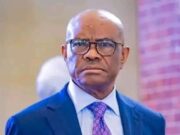










The former Chief of Staff to the late Governor Abiola Ajimobi of Oyo State and Professor of Political Science at the University of Ilorin, Emmanuel ‘Gbade Ojo, on Wednesday warned that West Africa is gradually sliding back into a cycle of military coups and counter-coups due to poor governance, weak democratic institutions and growing foreign influence.
Ojo gave the warning while delivering the fourth Annual Public Lecture of the Department of Political Science and International Relations, KolaDaisi University (KDU), Ibadan, titled, “Resurgence of Military Coups in Africa: A Prognosis.”


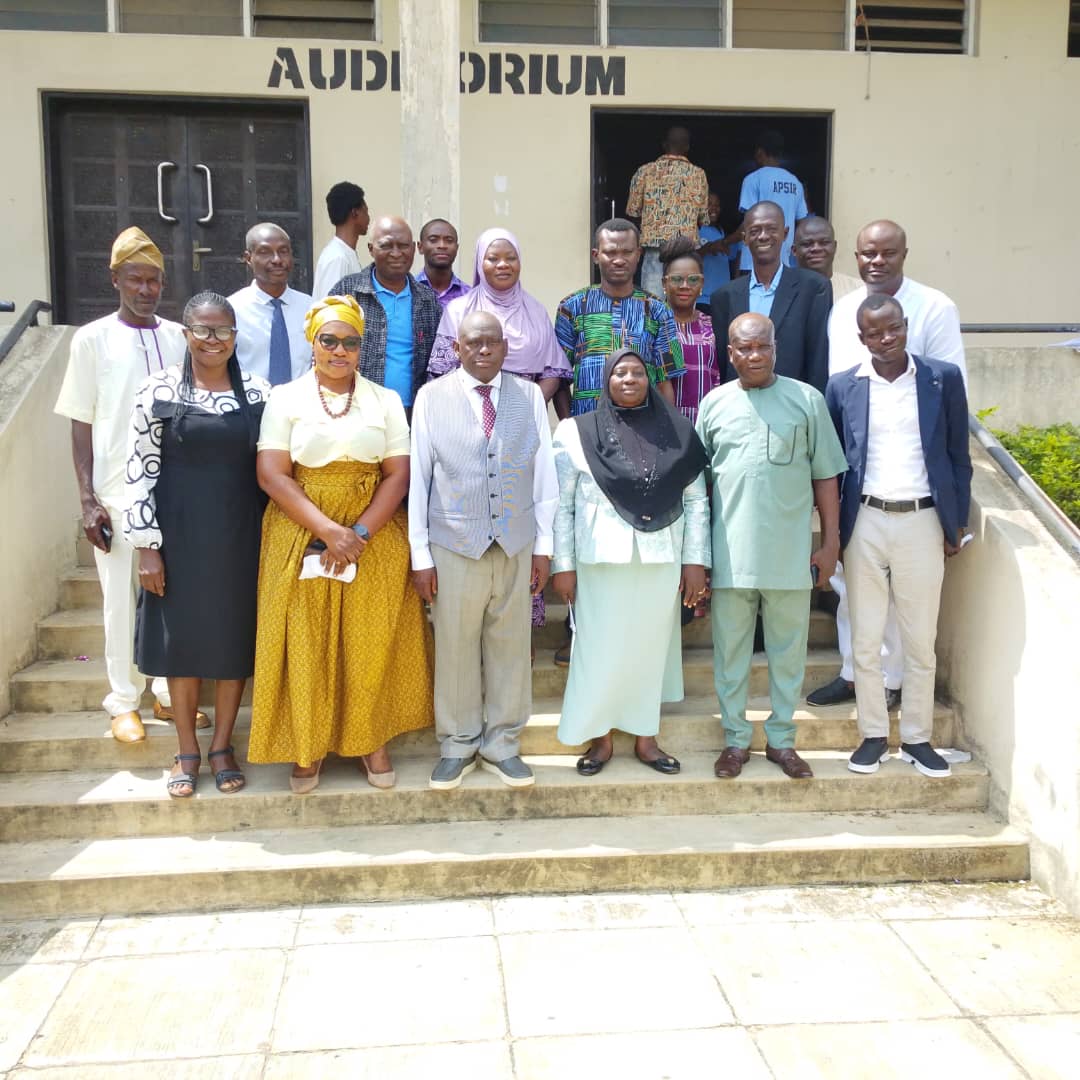
Among dignitaries at the lecture were renowned security scholar, Prof. Isaac Olawale Albert; Treasurer of the Nigerian Political Science Association (NPSA), Prof. Adebukola Adesina; immediate past Dean of the Faculty of Arts, Management and Social Sciences, Prof. Jendele Adebayo Hungbo; University of Ilesa academic, Dr. Adebukola Ayoola, alongside other scholars and stakeholders.
Speaking during the lecture, Ojo attributed the recent wave of military takeovers across the Sahel region to widespread frustration over economic hardship, insecurity, unemployment and the inability of democratic governments to deliver good governance.
According to him, the sub-region is exhibiting signs reminiscent of an era when military interventions became recurring features of political life across Africa.
“West Africa is gradually slipping back into a praetorian trap of coups and counter-coups. This trend poses a serious threat to democratic consolidation and political stability across the continent,” he said.
The political scientist argued that the failure of elected leaders to address citizens’ welfare and strengthen democratic institutions had eroded public confidence in civilian governments, thereby creating fertile ground for military adventurism.
He also blamed external interference and neo-colonial influences for aggravating political instability across the continent.
“As long as African states remain economically subservient and militarily penetrated by foreign interests through the establishment of military bases, the barracks will continue to present themselves as alternatives to political authority,” he stated.
Ojo noted that many young Africans had become increasingly disillusioned with existing political systems and foreign domination, leading to growing support for military juntas in some countries.
Tracing the history of military coups in Africa from Egypt in 1952 to the political crisis in Guinea-Bissau in 2025, he maintained that the root causes of military interventions had remained largely unchanged.
He urged African leaders to embrace transparency, accountability and people-centred governance, stressing that strengthening democratic institutions, promoting healthy civil-military relations and pursuing inclusive economic development would help prevent further military takeovers and consolidate democracy on the continent.
Earlier, the Head of the Department of Political Science and International Relations, Dr. Temitope Bello, described the lecture as timely, saying the resurgence of unconstitutional changes of government had raised fundamental questions about governance, constitutionalism and regional security in Africa.
Bello said the annual lecture series was designed to bridge the gap between scholarship and public policy by encouraging informed discussions on contemporary political and security challenges.
The Vice-Chancellor-designate of the university, Prof. Olajumoke Morenikeji, underscored the importance of politics in leadership, governance and national development, while commending the department for sustaining the annual intellectual engagement.
Also speaking, the Dean of the Faculty of Arts, Management and Social Sciences, Prof. Sekinat Kola-Aderoju, said the recent wave of coups across Africa had continued to generate intense academic and policy debates, making the lecture particularly relevant.