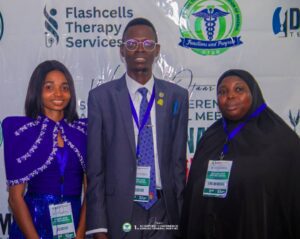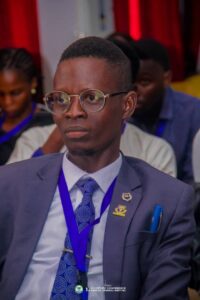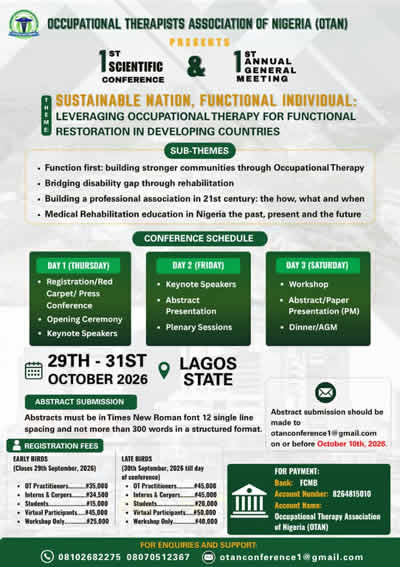














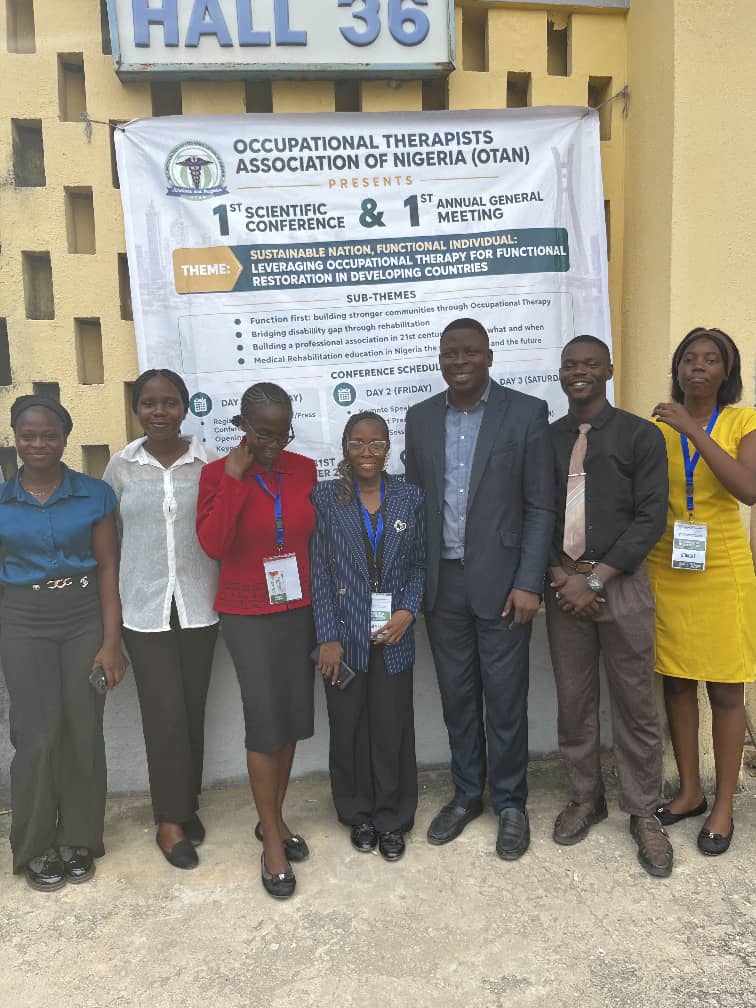
The Occupational Therapists Association of Nigeria (OTAN) held its maiden Scientific Conference and Annual General Meeting from Thursday, 29th to Saturday, 31st October, 2026, in Lagos, marking a historic milestone in the development of occupational therapy practice in Nigeria and reinforcing calls for greater government investment in rehabilitation services, professional development and workforce expansion.


The three-day conference, hosted at the Lagos University Teaching Hospital (LUTH), Lagos, brought together occupational therapy practitioners, academics, researchers, students and other stakeholders to deliberate on the contributions of the profession to individual functionality, economic sustainability and national development.
Speaking at the conference, the National President of OTAN, Mr Oluwasegun Ayeni, described the gathering as a long-awaited achievement, coming more than two decades after the establishment of the association. He noted that it was the first official national gathering of occupational therapy practitioners, providing an opportunity for members across clinical, academic and private practice settings to exchange ideas, share experiences and address issues affecting the profession.
The conference, themed “Sustainable Nation, Functional Individual: Leveraging Occupational Therapy for Functional Restoration of Individuals in Developing Countries,” highlighted the importance of occupational therapy in helping individuals living with disabilities, injuries and terminal illnesses regain functional independence and participate meaningfully in everyday activities.
Ayeni explained that occupational therapy plays a critical role in enabling individuals to access education, secure employment and contribute productively to society, stressing that people living with disabilities should not be deprived of opportunities to lead meaningful and independent lives.
In his keynote lecture titled “From Challenges to Opportunities: Professional Associations, Leadership and Economic Growth in National Development,” Ayeni examined the historical development of professional associations, the evolution of occupational therapy in Nigeria and the challenges confronting the profession.
He expressed concern over what he described as the longstanding perception of occupational therapy as a subordinate discipline to physiotherapy, noting that such misconceptions had affected the visibility, recognition and institutional growth of the profession.
According to him, occupational therapy was introduced to Nigeria in 1947, while its professional regulation became established through the Medical Rehabilitation Therapists Board of Nigeria (MRTBN) in 1992. He also recalled that the Nigeria Association of Occupational Therapists (NAOT) was officially registered with the Corporate Affairs Commission in 2016 as the Occupational Therapists Association of Nigeria.
The OTAN President observed that while physiotherapy had expanded to more than 60 universities in Nigeria, occupational therapy had, until recently, been offered in only two universities. However, he acknowledged the intervention of the National Committee for the Advancement of Occupational Therapy, Audiology and Speech Therapy Education (NCAOTASTE), established by the Federal Ministry of Education in March 2026, which he said had increased the number of universities offering occupational therapy programmes to more than 10 within seven months.
He called for improved working conditions, competitive remuneration, expanded training opportunities and deliberate workforce retention strategies to prevent the migration of trained occupational therapists in search of better professional opportunities abroad.
Ayeni maintained that a sustainable economy must be inclusive, stressing that national development could only be meaningful when every citizen, irrespective of disability or functional limitation, was empowered to participate in everyday activities.
The keynote lecture also challenged occupational therapy practitioners to strengthen their professional identity, embrace effective leadership, promote institutional collaboration and reposition their association to secure greater recognition and influence in national development.
A major highlight of the conference was the presentation of research findings on contemporary issues in occupational therapy. The oral abstract sessions featured studies examining caregiver burden and adherence to home-based rehabilitation programmes, educational priorities for community-based occupational therapy, parental perspectives on functional independence among children with cerebral palsy, and the state of occupational therapy research in Nigeria.
Other presentations explored the relationship between activity preferences and quality of life among older adults, caregiver-guided home rehabilitation programmes for children with cerebral palsy, the influence of digital media on the productivity of Nigerian youths, and the effectiveness and user satisfaction associated with orthotic devices for children and adolescents with cerebral palsy.
The research presentations underscored the need for stronger evidence-based practice, improved rehabilitation services, curriculum development, community-based interventions and increased research collaboration to address the country’s growing rehabilitation needs.
In his welcome address, the National President also announced the establishment of the Occupational Therapy Students Association of Nigeria (OTSAN), describing it as a strategic initiative to strengthen the future of the profession and ensure a seamless transition from studentship to professional practice after induction.
He explained that the students’ wing would hold its first national convention during the conference, where its constitution would be adopted and new executives inaugurated.
Ayeni further disclosed that the conference was part of the administration’s REFORM Agenda, particularly the pillar focused on the rebirth of the association through regular conferences, webinars and other professional development initiatives. He expressed satisfaction that the administration had delivered more than 80 per cent of its campaign promises.
The National President appreciated the founding members and past leaders of the association, including late Mrs Otolorin, Lt. Col. A.A.I. Emechete, Chief Joe Nwegu, Dr (Mrs) Victoria Amu and Mr Akinwole Adeoso, for their contributions to the growth of occupational therapy in Nigeria.
He also lauded the management of LUTH, under the leadership of Professor Wasiu Adeyemo, for hosting the conference, as well as the Head of the Orthopaedic Department, Dr Eyitayo Alabi, the Head of the Occupational Therapy Unit, Mrs Sherifat Balogun, and other occupational therapy practitioners for their support.
The three-day programme also featured a workshop on lymphedema recognition and the role of occupational therapy, alongside opportunities for professional networking, knowledge sharing and deliberations at the association’s Annual General Meeting.
The conference is expected to strengthen professional collaboration, advance the visibility of occupational therapy and stimulate renewed commitment towards building a more inclusive and sustainable Nigerian society through functional restoration and rehabilitation.