















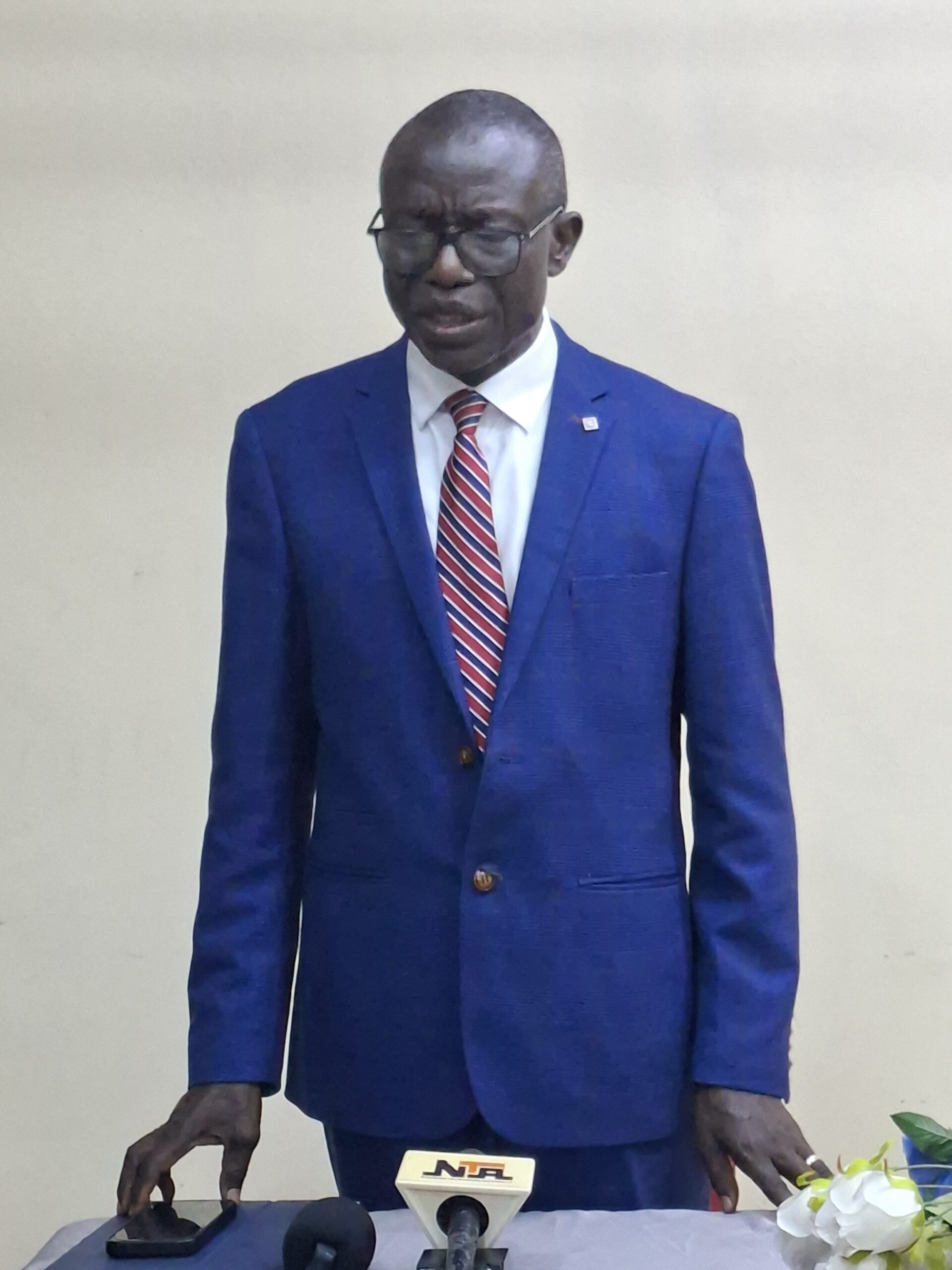
National President of the Pentecostal Fellowship of Nigeria (PFN), Bishop Francis Wale Oke, on Sunday raised fresh alarm over what it described as an escalating security breakdown across the country, warning that several states, including Oyo, Benue and Plateau, have effectively become “killing fields” amid rising cases of banditry, kidnappings and violent attacks.
Wale Oke made the declaration at the conclusion of its three-day national fasting and prayer programme held from Friday, May 22 to Sunday, May 24, 2026, which coincided with the Global Pentecost Day observance.


In an address delivered by the PFN National President, the fellowship said Nigeria was facing a deepening crisis of insecurity that had reached “intolerable and unacceptable levels,” adding that the nation appeared to have lost a collective sense of value for human life.
According to the PFN, the pattern of killings, abductions and repeated attacks across communities in different regions of the country reflects not only a security failure but also a moral and governance crisis requiring urgent national attention.
The fellowship cited several high-profile and recurring cases of abductions and killings, including the prolonged captivity of the Chibok schoolgirls and Leah Sharibu, alongside other victims of insurgency and banditry across the North-East and North-West regions.
It described their continued captivity years after their abduction as a national tragedy and a painful reminder of unresolved insecurity challenges that continue to undermine public confidence in state protection.
PFN also referenced recent attacks in parts of the country, including Oyo State, where teachers and pupils were abducted during a school invasion, with reports indicating that one of the victims, a teacher identified as Michael Oyedokun, was killed by his abductors.
The fellowship said such incidents demonstrate the increasing spread of violent attacks beyond traditional hotspots into previously considered safe zones in the South-West and other regions.
It further noted that similar patterns of violence have been recorded in Benue, Plateau, Niger, Sokoto, Kaduna, and other states, where communities have repeatedly suffered from armed attacks, displacement and loss of lives.
The PFN expressed concern that despite the severity and frequency of these incidents, perpetrators have continued to operate with relative impunity, raising questions about the effectiveness of Nigeria’s security architecture.
It also lamented what it described as the absence of strong and sustained political will to decisively confront insecurity, warning that the situation was not only claiming lives but also eroding national unity and weakening the country’s socio-economic stability.
According to the fellowship, insecurity has contributed to rising fear among citizens, disrupted farming activities in rural communities, discouraged investment inflows, and forced many young professionals to migrate abroad in search of safety and stability.
The PFN further warned against what it called the “normalisation of violence,” saying that repeated exposure to killings and abductions risks desensitising citizens and weakening collective outrage against criminality.
It criticised the continued rehabilitation of so-called “repentant” insurgents without adequate safeguards, arguing that such policies, if poorly managed, could undermine trust in the justice and security system.
The fellowship also called for a comprehensive review of Nigeria’s security strategy, insisting that the protection of lives and property remains the primary constitutional responsibility of government at all levels.
It urged the Federal Government to take urgent and decisive action to end the cycle of violence, while also calling for enhanced collaboration with international partners in intelligence gathering, surveillance, and counterterrorism efforts.
“We are burdened for Nigeria today because we have lost our sense of value for human life and its sanctity,” Bishop Oke stated in the address.
He added that the persistence of insecurity across multiple regions of the country requires not only prayer but also coordinated and effective governance response.
The PFN also called on Christians across Nigeria to remain united in prayer, repentance and civic engagement, urging them to speak with one voice against the worsening security situation.
According to the fellowship, silence in the face of injustice and violence only emboldens perpetrators and worsens the crisis.
“We have fasted. We have prayed. Now we speak,” the statement declared, emphasising that the time had come for faith communities to intensify advocacy alongside spiritual intervention.
The PFN insisted that Nigeria must be rescued from terror, warning that continued inaction could further deepen national instability.