












Scholars, policymakers, agricultural extension experts, and development practitioners have called for the integration of digital technologies and gender-responsive approaches into Nigeria’s agricultural extension policy framework to enhance farmers’ productivity and improve livelihoods.


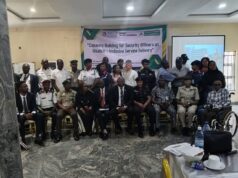
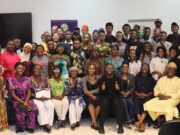
They made the call on Tuesday at a stakeholders’ workshop on “Reinventing Agricultural Extension Policy System to Promote Digital Inclusion and Gender Responsiveness for Improved Livelihoods in Nigeria,” held at the Innovation Lab for Policy Leadership in Agriculture and Food Security (PiLAF), Faculty of Agriculture, University of Ibadan.
The workshop was organised by Prof. Stella Odebode, an AWARD Fellow (Cohort 3) and Head of the Department of Agricultural Extension and Rural Development, University of Ibadan, in collaboration with PiLAF, the African Women in Agricultural Research and Development (AWARD), and the Department of Agricultural Extension and Rural Development.
Speaking at the event, Prof. Odebode stressed the need to review existing agricultural extension policies to reflect contemporary realities, particularly digital transformation and gender inclusion.
She noted that the workshop was designed to bring together stakeholders across the agricultural value chain to identify gaps in the current extension system and develop recommendations for policy reforms.
According to her, digital technologies have become indispensable tools for agricultural development and should be fully integrated into extension services to improve communication between farmers and extension agents.
“The purpose of this workshop is to engage stakeholders involved in agricultural extension and critically examine existing policies. We need to identify gaps and determine how digital inclusion can be effectively integrated into extension services.
“The world is digital now. Integrating digital tools into agricultural extension will enable farmers to access information easily, ask questions, solve challenges, and improve their productivity. The outcome of this engagement will help shape policies that can improve the lives of farmers across Nigeria,” she said.
Odebode also urged young researchers to seek mentorship to enhance their academic and professional growth, describing mentorship as critical to a successful research career.
In her keynote address, Prof. Janice Olawoye emphasised the interconnectedness of gender, digital access, and agricultural development, noting that inclusive digital systems are essential for sustainable development.
She said: “The concept of gender, digital access, literacy and inclusion forms a relevant nexus of transformation if we are truly concerned about meaningful development. As social dynamics, technology, and required skills continue to evolve, we must adjust our strategies to promote an inclusive system that allows everyone to benefit from available opportunities.”
Also speaking, Prof. Kehinde Thomas disclosed that findings from a 2025 digital extension research project conducted in Kaduna, Oyo, and Gombe states revealed significant barriers to digital access among women farmers.
According to him, the study highlighted the need for greater sensitisation and policy interventions to ensure women are not excluded from the benefits of digital technologies.
“We discovered the need for deliberate digital sensitisation and support mechanisms to ensure women have access to digital tools. The findings clearly indicate the need for policies that promote gender inclusion in the digital space,” he said.
Prof. John Oyinlola Oladeji urged stakeholders to adopt a holistic approach to addressing challenges in agricultural extension, while Prof. B.O. Oyesola advocated increased research and interventions targeted at gender issues within the agricultural sector.
Also, Prof. B.R. Olajide cautioned against equating gender solely with women, stressing that gender discourse should focus on equity and inclusiveness.
“Gender should not be viewed only from the perspective of women. It is about fairness, equity and ensuring that everyone has access to opportunities. This workshop is highly relevant to ongoing efforts aimed at strengthening agricultural development,” he said.
Dr. Temitayo Adeyemo described Prof. Odebode as a transformational leader and underscored the importance of gender equity in unlocking the full potential of agriculture.
“Gender equity is critical if we are to realise the enormous potential of the agricultural sector and achieve sustainable development,” he said.
Other participants commended the initiative, describing it as a timely intervention capable of bridging policy gaps, strengthening stakeholder collaboration and promoting evidence-based reforms in Nigeria’s agricultural extension system.