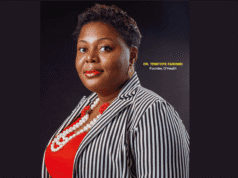
















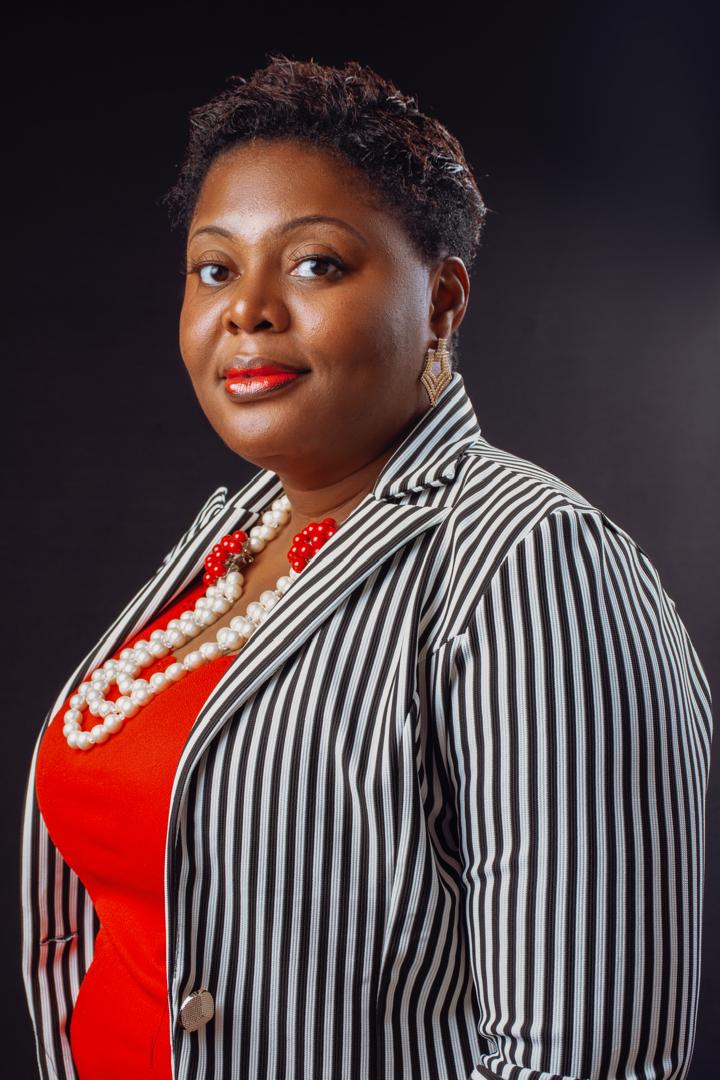
A Neurologist at University College Hospital (UCH), Dr. Temitope Farombi, has described Nigeria’s current number of neurological and psychiatric specialists as grossly inadequate for a population of over 230 million people.
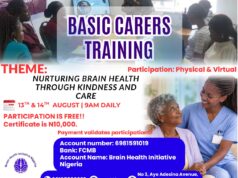
Farombi, founder of Brain Centre Neuro-Critical and Rehabilitation Services, Ibadan, raised the concern while speaking with journalists on the growing challenges facing the country’s healthcare sector.


According to her, Nigeria currently has fewer than 100 neurologists and less than 200 psychiatrists, a development she said poses serious risks to access to mental and neurological healthcare services.
“Minimum years required to produce a neurologist or psychiatrist is about 13 to 14 years. Right now, we have fewer than 100 neurologists and less than 200 psychiatrists in the country. This is grossly inadequate for our population,” she said.
The medical expert, who holds a Ph.D in Global Health from a British university, warned that the shortage of specialists has continued to widen the healthcare gap, leaving many Nigerians without access to qualified medical care.
She added that Nigeria’s doctor-to-patient ratio remains far below global standards, with one doctor reportedly attending to about 6,000 patients.
According to her, the shortage has created opportunities for quack practitioners to thrive, especially in underserved communities where access to qualified healthcare professionals is limited.
Farombi also blamed the worsening manpower crisis on the continued migration of Nigerian doctors abroad in search of improved welfare packages and better working conditions.
She revealed that more than 4,300 Nigerian doctors have relocated to the United Kingdom within the last three years alone.
“It takes between six and seven years to train a medical doctor, so losing thousands of trained professionals within such a short period is a huge setback for the healthcare system,” she stated.
The neurologist further lamented poor healthcare infrastructure, inadequate equipment and the inability of many patients to afford treatment due to the absence of sufficient government support.
“In many cases, doctors are willing to help, but the system does not support them. Patients cannot pay, facilities are lacking and the pressure on health workers is enormous,” she added.
Farombi called on government to urgently address the crisis by improving welfare packages for health workers, investing in healthcare infrastructure and strengthening policies aimed at retaining skilled professionals within the country.
She also advocated task-shifting strategies and greater utilisation of other healthcare professionals to help bridge existing gaps in service delivery.