










The Engage Youth Africa Initiative has raised concern over the growing burden of period poverty in Nigeria, revealing that about 37 million women and girls lack access to safe and affordable menstrual hygiene products, warning that the situation continues to undermine the health, education and dignity of millions of girls and women.


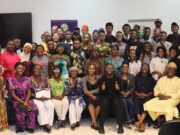
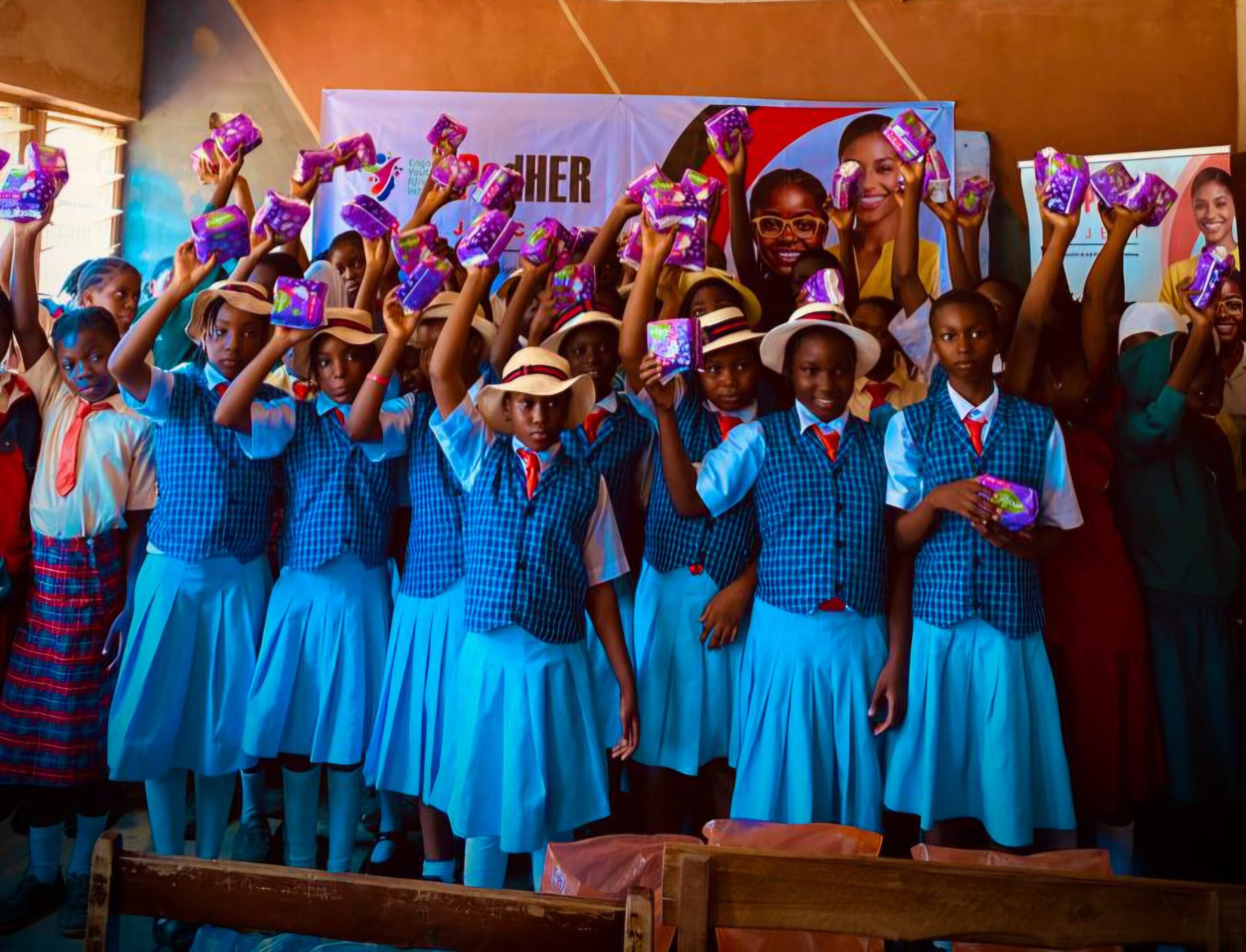
The organisation raised the concern during the fifth edition of its PADHER Programme, held at Talenty Boarding School, Osagie, Ajibode, Ibadan, with the theme, “Sensitisation of the Girl Child in Secondary Schools.”
Speaking at the programme, the organisation’s Community Manager, Oluwabukola Balogun, said the initiative was established to break the silence surrounding menstruation, promote menstrual hygiene education through awareness campaigns and the distribution of sanitary products.
According to her, menstruation should never be treated as a source of shame, stressing that parents, teachers, guardians and communities have a collective responsibility to provide young girls with accurate information and the support needed to navigate puberty with confidence.
She noted that many girls still lack access to menstrual hygiene education and sanitary products, exposing them to health risks, absenteeism from school and social stigma.
“We are creating awareness on period poverty, sensitising young women and girls, and ensuring they understand proper menstrual hygiene. There is nothing to be ashamed of when it comes to menstruation. It is a natural part of life and should be discussed openly,” she said.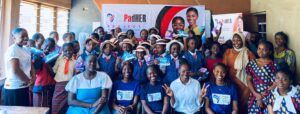
Balogun disclosed that the PADHER initiative has reached communities in Kano, Abuja, Ibadan and other parts of the country, describing the current outreach as the fifth edition of the programme.
“We have about 37 million women and girls still affected by period poverty. That figure shows that we still have a long way to go. Our goal is to reach as many girls as possible. With the right partnerships, reaching 10 million girls over the next five years is achievable,” she added.
Also speaking, the Project Lead of the event, Miracle Oluwatoyin Adedugba, urged girls to embrace menstruation as a normal biological process rather than something to conceal or fear.
Delivering a session on “Menstrual Health and Dignity,” Adedugba said menstrual periods should never become a barrier to education or personal development.
“Menstruation should never stop your education. Every girl should understand her body, know her menstrual cycle and have access to the right information needed to manage her period safely and confidently,” she said.
She urged the students to replace sanitary pads every four to six hours, wash their hands before and after changing pads, clean the genital area with clean water, dispose of used pads properly, drink adequate water, get sufficient rest and always keep emergency sanitary pads in their school bags.
Adedugba also educated the students on common menstrual symptoms, including abdominal cramps, back pain, breast tenderness, bloating, mood swings, headaches and skin breakouts, describing them as normal experiences during menstruation.
However, she cautioned that prolonged menstrual bleeding lasting more than seven days, excessive bleeding, severe pain that disrupts daily activities, missed periods unrelated to pregnancy and abnormal discharge with offensive odour require immediate medical attention.
She urged governments, schools, parents, corporate organisations and development partners to work together to end period poverty, insisting that access to menstrual hygiene products and education should be recognised as a basic right rather than a privilege.