













By Esther Sangodele, Ibadan
A former Vice-Chancellor of Chrisland University, Professor Chinedum Babalola; Executive Director of Youthcare Development and Empowerment Initiative (YcDEI), Professor Adefunke Ekine, and other education and development experts have called for deliberate policies and stronger community interventions to empower out-of-school girls and expand their access to quality education across Nigeria.


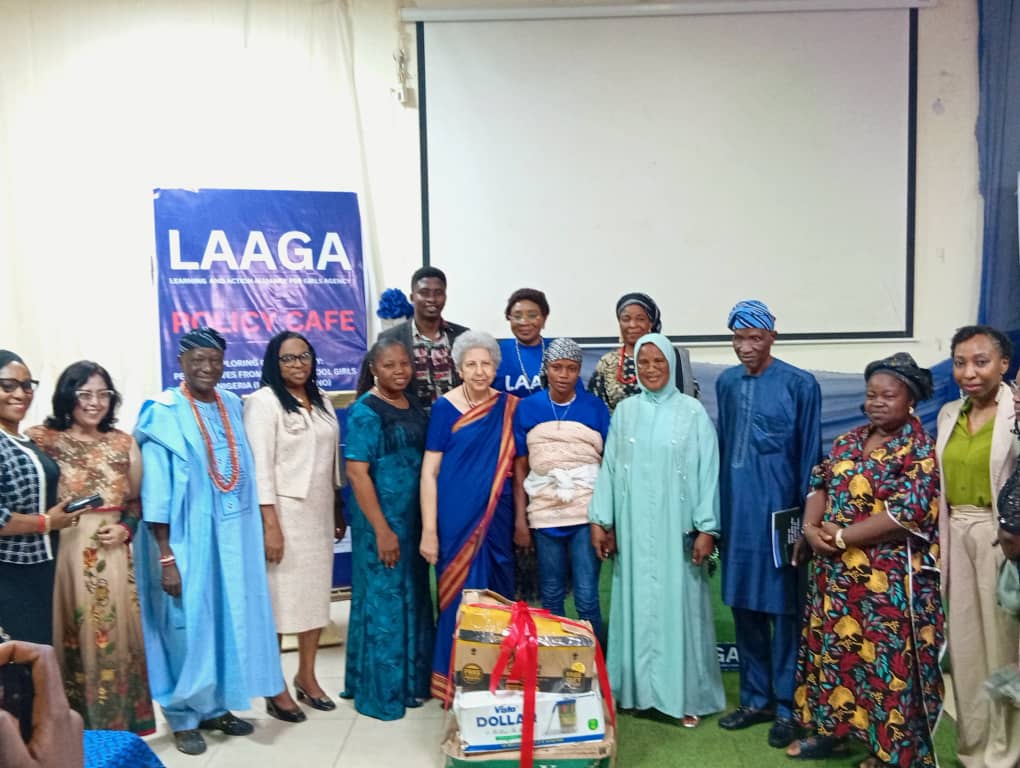
They made the call at the Learning and Action Alliance for Girls Agency (LAAGA) policy dialogue and presentation of research findings titled, “Exploring Girls’ Agency: Perspectives from Out-of-School Girls in Nigeria (Iseyin and Kano),” held at the International Conference Centre, University of Ibadan.
The experts and stakeholders urged governments at all levels, development partners, families, religious institutions and community leaders to adopt evidence-based, girl-responsive policies capable of dismantling the social, economic and cultural barriers preventing millions of girls from accessing education and realising their full potential.
Welcoming participants, Professor Ekine, who is also the Principal Investigator of LAAGA Nigeria, said empowering girls requires collective action by governments, communities, civil society organisations and development partners.
The professor described the dialogue as a platform for developing sustainable solutions to challenges confronting girls, stressing that meaningful national development can only be achieved when girls and women are given equal opportunities to thrive.
Presenting findings from the study, Ekine disclosed that Iseyin in Oyo State recorded one of the highest populations of out-of-school girls captured during the research, while Kano remains among the states with the highest number of out-of-school children in northern Nigeria.
She explained that the study adopted a participatory girl-centred methodology involving focus group discussions, one-on-one interviews, storytelling and community mapping, with 30 out-of-school girls from Iseyin and 35 from Kano participating in the research.
According to the findings, girls define agency as the courage to make informed decisions, attain financial independence, resist exploitation and speak against injustice.
The research identified poverty, early marriage, gender-based violence, child labour, school exclusion, harmful cultural practices, abuse, cybercrime and poor educational infrastructure as major obstacles limiting girls’ agency.
Ekine noted that although many girls possess ambition and resilience, they often lack the enabling environment to translate their aspirations into reality.
She advocated girl-responsive educational policies, stronger family and community support systems, greater women’s leadership and increased opportunities for girls to participate in decisions affecting their lives.
A Senior Fellow and Deputy Director of the Centre for Universal Education at Brookings, Jennifer O’Dunogbu, described girls’ agency as the ability of girls to identify their aspirations, make informed decisions and influence their communities.
O’Dunogbu said the initiative focuses on girls living in marginalised circumstances characterised by poverty, early marriage, school exclusion, motherhood, gender-based violence and climate-related vulnerabilities, adding that the programme positions girls as co-creators of knowledge and drivers of social change.
Drawing lessons from Bangladesh, President and Executive Director of the Education and Cultural Society, Kazi Nazrin Siddiqa, said girls have continued to demonstrate resilience despite social and economic challenges through peer support, mentorship and community engagement.
Also speaking, African Regional Coordinator of NORRAG and gender policy specialist, Mrs. Edem Dorothy Ossai, explained that researchers employed participatory tools, including storytelling, community mapping, proverbs and the Bridge Model, to understand the lived experiences of girls while ensuring that their voices remained central throughout the study.
On his part, the Executive Director of One Life Initiative, Sola Fagorusi, called for the adoption of clear re-entry policies that would enable girls who dropped out of school because of pregnancy or marriage to resume their education.
Fagorusi also advocated more gender-responsive schools through improved sanitation facilities, stronger protection against sexual and gender-based violence and teaching approaches that encourage girls to remain in school.
According to him, governments and other stakeholders have a responsibility to create opportunities that improve girls’ educational outcomes and enhance their future quality of life.
They also advocated creating safe spaces where girls can express themselves freely, receive mentorship, build peer support networks, and acquire vocational and digital skills.
The experts and stakeholders also called for increased investment in gender-responsive school infrastructure, particularly adequate sanitation and toilet facilities for girls.
A panel discussion moderated by the Executive Director of Isawali Empowerment Initiative, Kano, Amina Hanga, examined practical strategies for improving girls’ educational outcomes.
Panelists included Professor Babalola; Deputy Director of Public Prosecution and Coordination, Oyo State Ministry of Justice, Barrister K.K. Oloso-Olayiwola; the Baale of Barrack, Iseyin Community, Chief Awojobi Lawal; and LAAGA research participants, Yekeen Taiwo and Aisha Basiru.
The panel urged governments and development partners to expand flexible education pathways, second-chance education programmes, vocational training and non-formal learning opportunities for out-of-school girls.
Oloso-Olayiwola maintained that interventions should be evidence-based and tailored to the diverse factors responsible for girls dropping out of school, including poverty, insecurity, child marriage and teenage pregnancy. She also stressed that girls should actively participate in policy formulation rather than merely serving as beneficiaries.
Babalola urged religious organisations to establish scholarship schemes and educational support programmes for vulnerable girls, noting that faith-based institutions possess the influence and capacity to promote girls’ education within communities.
Chief Lawal called on community leaders to identify vulnerable girls within their communities and mobilise local structures to support them.
Taiwo advocated flexible vocational and second-chance education programmes for girls affected by pregnancy, marriage, insecurity and economic hardship, while Basiru urged families and communities to involve girls in decision-making and encourage their aspirations.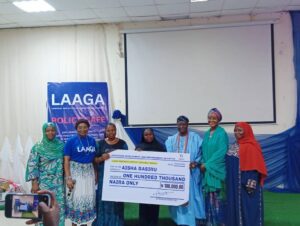

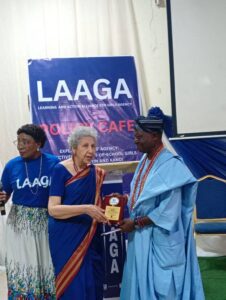

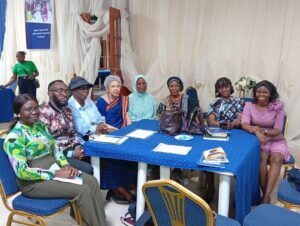
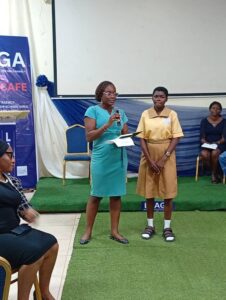
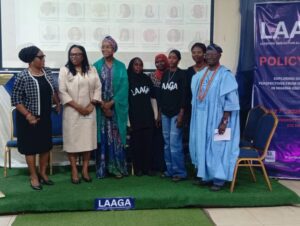
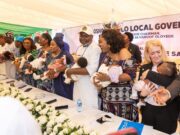
The event featured the presentation of awards to individuals who contributed to the success of the programme. Two girls from Iseyin and Kano received cash support of ₦100,000 each, while others were presented with tailoring and hairdressing equipment to promote their economic independence.