















By Esther Sangodele
The Nigerian Institution of Structural Engineers (NIStructE) has called for stricter enforcement of building regulations and stronger professional oversight to address recurring building collapses and structural deficiencies in Nigeria.


The institution said the activities of unqualified practitioners, inadequate geotechnical investigations, the use of substandard building materials and weak enforcement of existing laws were among the factors undermining safety in the construction industry.
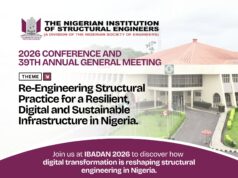
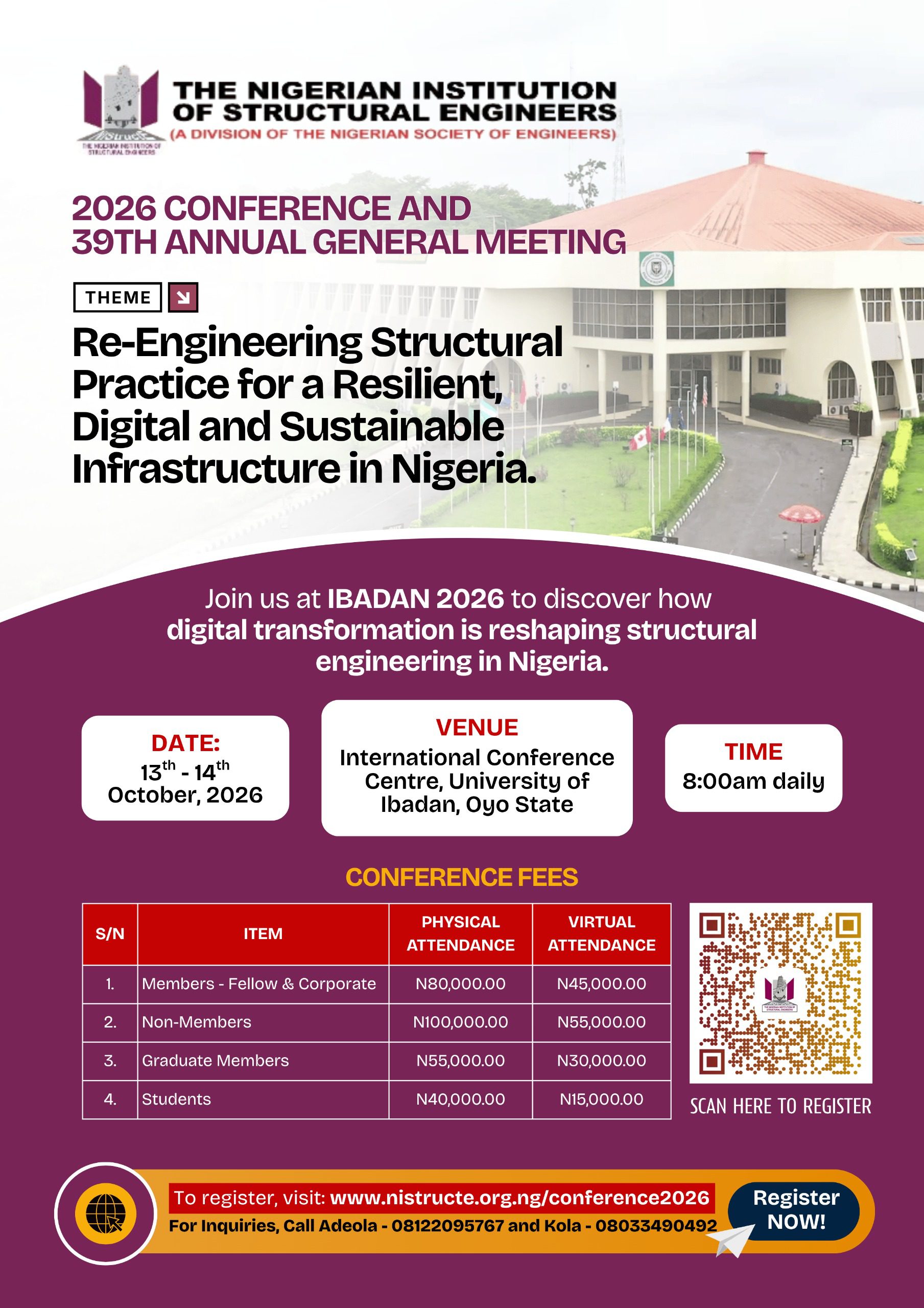
The President of NIStructE, Dr Taiwo Elegba, stated this during a pre-event briefing ahead of the institution’s 2026 International Conference, themed “Re-Engineering Structural Practice for a Resilient, Digital and Sustainable Infrastructure in Nigeria.”
Elegba said the conference theme was developed in response to research into the challenges confronting Nigeria’s built environment and the need to reform structural engineering practice to meet emerging professional, technological and environmental demands.
He emphasised that every building required proper structural design, noting that structural engineers played a critical role in ensuring the safety, stability and integrity of buildings.
The president described the conference as forward-looking, explaining that it would explore ways to sustain existing achievements and develop engineering solutions capable of supporting future infrastructure needs.
Also speaking, the institution’s Deputy President, Engineer Aliu Aziz, identified unqualified practitioners and inadequate enforcement of relevant laws as major challenges affecting construction standards in the country.
He stressed the need to strengthen professional competence, regulatory oversight and enforcement to reduce structural failures and improve safety in the built environment.
The institution also highlighted the effects of climate change, including flooding, extreme weather events and changing soil conditions, on infrastructure, calling for structural systems capable of withstanding evolving environmental pressures.
The conference will further examine the application of digital technologies and artificial intelligence in structural engineering, including Building Information Modelling (BIM), computational design, automation, digital twins and AI-assisted structural analysis.
According to the organisers, these technologies offer opportunities to improve design accuracy, reduce errors, monitor infrastructure performance and enhance construction efficiency.
Other areas to be discussed include low-carbon construction materials, sustainable building technologies, climate resilience and the ethical and professional implications of artificial intelligence in engineering practice.
The conference planning committee chairman, Professor Musa, said the event would bring together structural engineers, architects, builders, other professionals in the built environment and members of the public.
He projected an attendance of between 120 and 200 delegates and disclosed that the Oyo State governor was expected to attend as guest of honour.
The two-day conference is expected to provide a platform for technical discussions, knowledge sharing and professional engagement on structural safety, digital innovation, sustainable construction and the future of engineering practice in Nigeria.
Engineer Johnson Adegboyega Adeyioye, a past president of the institution, also expressed confidence that the conference would deepen participants’ knowledge and understanding of structural engineering through its technical sessions and professional engagements.