















Some sixty years after the abolition of the Native Authority Police by the military government, Nigeria, a federal state, is about to have State Police alongside the Federal Police.
This is not only welcome and commendable; the administration of President Bola Ahmed Tinubu that is birthing it deserves huge applause. The various State Governments’ Assemblies that have given concurrence to the structure must also be lauded. Nigerians, regardless of socio-political leanings, including the genuinely apolitical, are not only on the same page in their clamour for State Police, their expectations are also very high and anticipatory.
Now that we are having our long-sought subnational police structure, the first responsibility falls on the existing Federal Police to give it an enabling environment to operate, beyond the constitutional provisions that will herald its birth. Beyond those constitutional guarantees, the State Police structure must be made to be different, truly professional, and fit-for-purpose. To achieve this, a sustainable funding model must be institutionalised and other critical measures put in place.
The Funding Question
The first challenge, and one of the apprehensions that made the subnational police tarry for so long, is the question of funding. The stake is high, with genuine fears that appropriate and sustainable funding may become the major albatross of State Police. This fear is not unfounded, given what the Federal Police itself suffers.
It therefore becomes imperative for the Federal and State Governments to jointly design a sustainable funding model to make the subnational police work. One viable option is the creation of Special Operational Funds to support the take-off of the police structures in each state, and mainstreaming same for a period of years until the new structure becomes stabilised and institutionalised. On this, state governors have a strong role to play and must drive it.
However, driving funding must not translate to politicisation, undue influence and interference. In other climes, police agencies, whether federal or subnational, are insulated from such pressures. This speaks directly to the need for truly professional personnel in the State Police.
Although this refers primarily to subnational police personnel, it must also extend to officers and men of the Federal Police Force, who must demonstrate to the public that they are ready to be professional in a system where subnational police structures operate side-by-side with the Federal Police, as obtained in countries like the United States, Canada, Australia, India and others.
Professionalism and Training: The Core Imperative
Both federal and subnational police personnel need education and training in 21st-century policing skills. While those at the federal level would have to be retrained, re-educated and re-skilled in appropriate policing behaviour and operational procedures, personnel of the new subnational structure should be exposed from inception to policing skills that align with the yearnings of Nigerians. Personnel should, as is the practice in other countries, be graduates of universities and polytechnics.
Training must be intelligence-led and should encompass behavioural and interpersonal skills, community psychology, crime analysis and profiling, conflict perception, mapping and management, kinetics and geographical information analysis, basic human rights education, basic Alternative Dispute Resolution, and modern operational strategies.
What we expect of police personnel at the subnational level are people-centred police officers the public will embrace and be ready to work with. This is because policing is primarily about the people, not anti-people. We want people-friendly police to whom citizens will freely volunteer information in the interest of their own safety. This is what is termed joint police-public proactive security.
As Sir Robert Peel, father of modern policing, noted in the Metropolitan Police Act of 1829: “The ability of the police to perform their duties is dependent upon public approval of police existence, actions, behaviour and the ability of the police to secure and maintain public respect.” This principle is one of the core seven principles that make police agencies in Europe and America truly professional. Methinks our emerging State Police agencies should be grounded on this.
I must also stress the “bad apple” syndrome which has always defined police conduct in Nigeria where even personnel who join the Force clean eventually get ‘rotten’ in the course of duty. The subnational police must consciously guard against this. If it fails to do so, we may end up living with the same old problem, and the very essence of having State Police beyond crime-fighting may in the long run be defeated.
Finally, when the State Police structure takes off, it is instructive that personnel in each state, spread across local governments, should not be bloated. Lean, efficient, well-trained and well-equipped formations will serve us better than unwieldy numbers.
If we get the funding, professionalism and people-centred philosophy right, State Police may well be the game-changer Nigeria has long waited for.
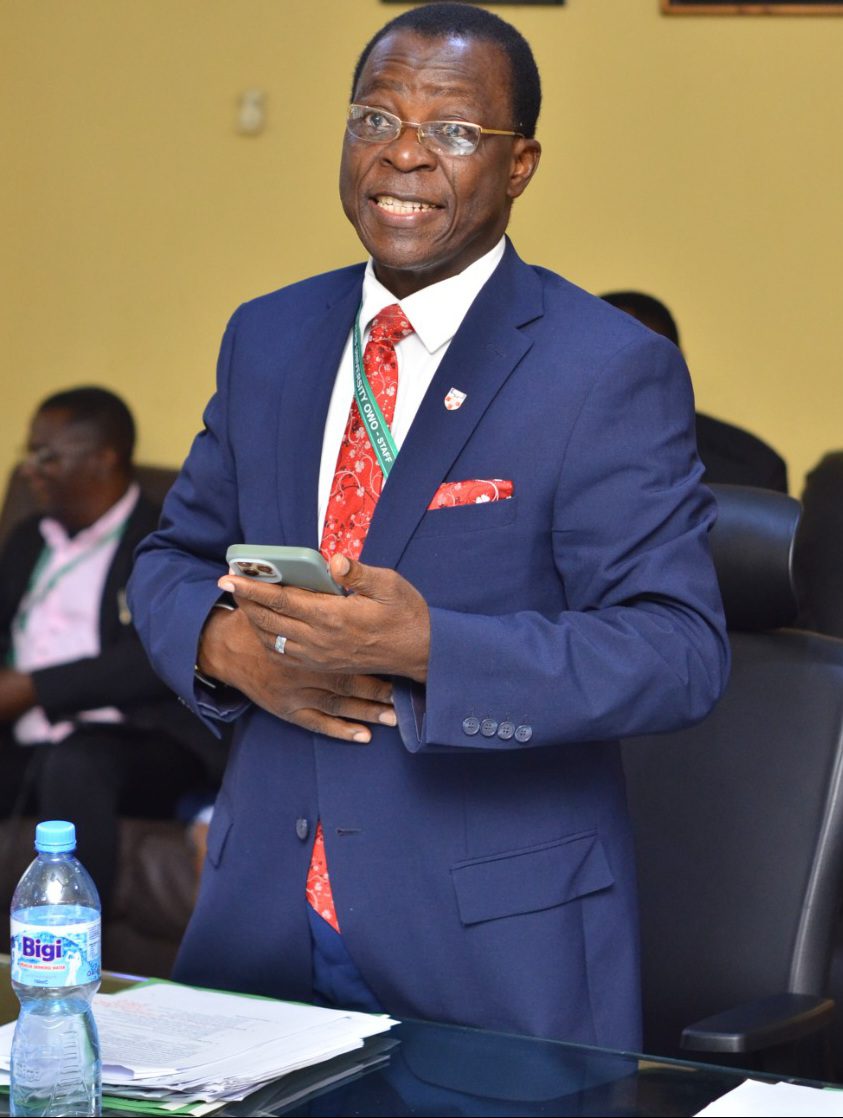
Professor Aremu, Counselling Psychologist and Police Scholar writes from the University of Ibadan, Ibadan
Advertisement