














Healthcare education has long been associated with a few traditional professional pathways such as Medicine and Surgery, Nursing, and Pharmacy. While these disciplines remain highly respected and essential, the modern healthcare system now requires a broader range of specialized professionals to meet growing and increasingly complex medical needs. Across the world, several medical science courses with enormous career potential remain largely underexplored, despite their critical role in healthcare delivery and their strong employment prospects.
As healthcare systems evolve through technological advancement, population growth, and increased awareness of specialized care, disciplines such as Audiology, Speech and Language Therapy, Radiography, Physiotherapy, Occupational Therapy, Medical Laboratory Science, and Health Information Management are becoming indispensable. Yet many students, parents, and even educational stakeholders still pay limited attention to these fields.

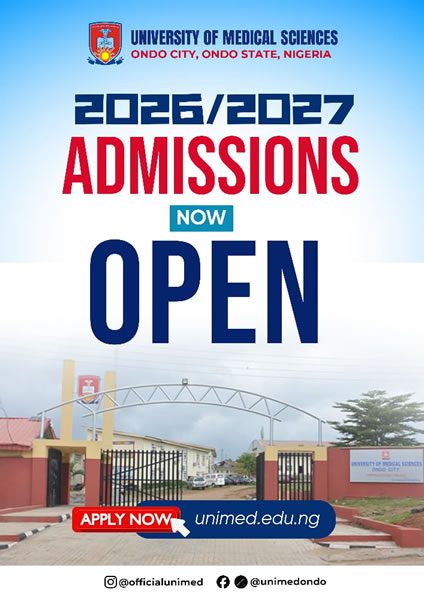
Having worked within a university dedicated to training healthcare professionals, I have observed the growing relevance of these specialized medical science programmes and the enormous opportunities they present for young people seeking meaningful, stable, and globally relevant careers. These disciplines not only address critical healthcare gaps but also offer strong employability, entrepreneurial opportunities, and international career mobility.
The future of medical science education therefore lies not only in producing more doctors, but also in developing a diverse healthcare workforce equipped with specialized skills to meet the demands of modern healthcare systems.
One of the most promising fields today is Audiology. Audiologists specialize in diagnosing and treating hearing and balance disorders. With increasing exposure to noise pollution, aging populations, and a growing number of children diagnosed with hearing impairments, the demand for hearing specialists continues to rise globally. In many developing countries, there is still a severe shortage of trained audiologists, creating enormous opportunities for graduates in hospitals, rehabilitation centers, schools, and private practice.
Closely related is Speech and Language Therapy, a profession that focuses on helping individuals overcome communication and swallowing disorders. Children with developmental challenges, stroke survivors, accident victims, and individuals with neurological conditions all require speech therapy services. The growing awareness of autism spectrum disorders and learning disabilities has further increased the demand for speech therapists in schools and healthcare institutions. Graduates in this field are not only employable but also have the opportunity to establish independent therapy centers and consultancy services.
Another critical but often overlooked discipline is Radiography. Modern healthcare relies heavily on diagnostic imaging for accurate treatment decisions. Radiographers operate sophisticated imaging technologies such as X-rays, CT scans, MRI machines, and ultrasound equipment. As medical technology advances, hospitals and diagnostic centers require highly skilled professionals who can handle these machines effectively. The expansion of diagnostic healthcare services across urban and rural communities means that radiography graduates are among the most sought-after healthcare professionals today.
Physiotherapy is another course whose relevance continues to expand. Physiotherapists help patients recover from injuries, surgeries, strokes, and chronic physical conditions. In an era where lifestyle diseases, sports injuries, and age-related mobility challenges are increasing, physiotherapists play a vital role in restoring movement and improving quality of life. Beyond hospitals, physiotherapists now work in sports organizations, fitness centers, rehabilitation clinics, schools, and corporate wellness programs.
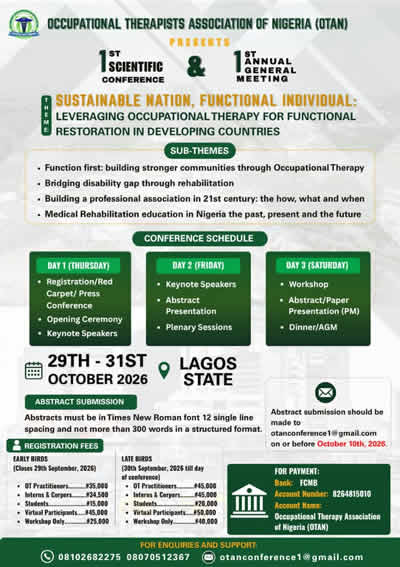
Occupational Therapy also represents a growing frontier in healthcare education. Occupational therapists assist people in regaining independence after illness, injury, or disability. Their work is particularly important in helping patients adapt to physical or cognitive limitations and reintegrate into everyday life. As mental health awareness grows and rehabilitation services become more advanced, occupational therapy is emerging as a highly respected and rewarding profession.
Medical Laboratory Science remains the backbone of disease diagnosis and prevention. Accurate laboratory testing is fundamental to effective healthcare delivery. The COVID-19 pandemic clearly demonstrated the importance of laboratory scientists in disease surveillance, testing, and public health management. Today, graduates in medical laboratory science enjoy broad career opportunities in hospitals, research institutes, pharmaceutical companies, and public health organizations.
Similarly, Health Information Management is becoming increasingly relevant in the digital age. Healthcare institutions now depend on accurate electronic medical records, data analysis, and health informatics systems to improve patient care and decision-making. Professionals trained in managing healthcare data are essential in modern hospitals and healthcare agencies. As artificial intelligence and digital healthcare systems continue to expand, graduates in this field will become even more valuable.
The greatest advantage of these untapped medical science courses is their strong employability potential. Unlike many conventional degree programs where graduates struggle to secure jobs, these specialized healthcare disciplines are closely aligned with real societal needs. Students graduate with practical clinical skills, technical competence, and direct industry relevance. In many cases, there are more employment opportunities than available professionals to fill them.
Furthermore, these courses encourage entrepreneurship and innovation. Many professionals in speech therapy, physiotherapy, audiology, and occupational therapy establish private clinics and rehabilitation centers. Others work as consultants for schools, sports organizations, NGOs, and international healthcare agencies. This means graduates are not only job seekers but also potential job creators.
Another important factor is global mobility. Healthcare professionals trained in specialized medical sciences are increasingly in demand across Europe, North America, the Middle East, and other regions experiencing shortages in healthcare manpower. Graduates with internationally recognized qualifications often find opportunities to work abroad, participate in research, or pursue advanced specialization.
For educational institutions, investing in these emerging medical science programs is equally important. Universities and colleges must modernize their curricula, provide advanced laboratory facilities, and strengthen partnerships with teaching hospitals and healthcare industries. Governments must also support these programs through scholarships, public awareness campaigns, and policy reforms that encourage specialization in healthcare education.
Parents and students must equally change their perception of medical careers. Success in healthcare is no longer limited to becoming a doctor alone. The modern healthcare ecosystem depends on multidisciplinary collaboration where every specialist contributes uniquely to patient care and recovery. A speech therapist helping a child communicate, a radiographer detecting disease early, or an audiologist restoring hearing can impact lives just as profoundly.
The future of healthcare belongs to innovation, specialization, and collaboration. Untapped medical science courses represent a golden opportunity for young people seeking meaningful, stable, and globally relevant careers. As societies continue to prioritize quality healthcare delivery, the demand for professionals in audiology, speech and language therapy, radiography, physiotherapy, occupational therapy, and related fields will only continue to grow.
Medical science education must therefore move beyond traditional boundaries and embrace these emerging disciplines. By doing so, nations can build stronger healthcare systems, reduce unemployment among graduates, and prepare a new generation of highly skilled professionals ready to meet the healthcare challenges of tomorrow.
Oluyi is the Head, Directorate of Public Relations and Corporate Affairs, University of Medical Sciences (UNIMED), Ondo, Ondo State.