







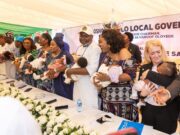





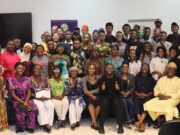

Education and development experts have called for the adoption of evidence-based, girl-responsive policies and stronger community partnerships to tackle the growing challenge of out-of-school girls and expand access to quality education across Nigeria.


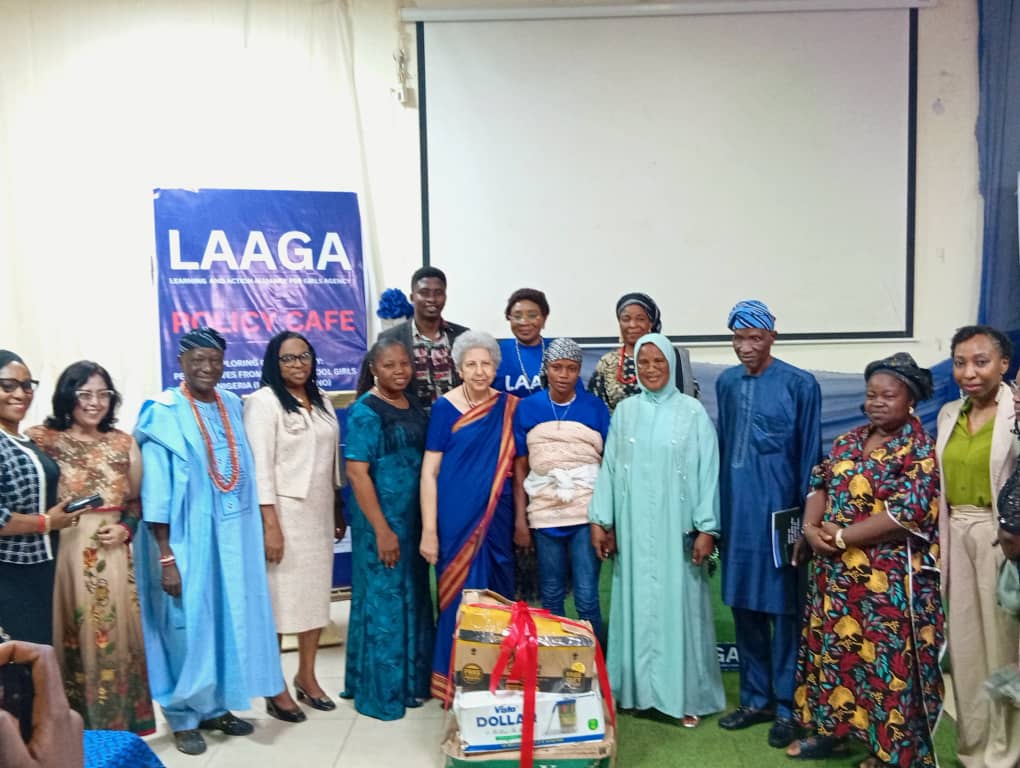
The call was made at a Policy Café organised by the Youthcare Development and Empowerment Initiative (YcDEI) in partnership with the Learning and Action Alliance for Girls Agency (LAAGA) and the Centre for Universal Education at Brookings.
The event, held at the International Conference Centre, University of Ibadan, featured the presentation of research findings titled “Exploring Girls’ Agency: Perspectives from Out-of-School Girls in Nigeria (Iseyin and Kano).”
The experts, stakeholders and researchers urged governments at all levels, development partners, civil society organisations, religious bodies, families and community leaders to formulate and implement policies capable of dismantling the socio-economic and cultural barriers preventing millions of girls from accessing education and realising their full potential.
Welcoming participants, the Executive Director of YcDEI and Principal Investigator of LAAGA Nigeria, Prof. Adefunke Ekine, described the dialogue as a critical platform for translating research evidence into practical policy reforms.
The professor said empowering girls requires collective commitment from governments, communities and development partners, stressing that sustainable national development would remain elusive unless girls are given equal opportunities to learn, lead and thrive.
Presenting findings of the study, Ekine disclosed that Iseyin in Oyo State recorded one of the highest concentrations of out-of-school girls captured during the research, while Kano remains among the states with the largest population of out-of-school children in northern Nigeria.
She explained that the research adopted a participatory, girl-centred approach involving focus group discussions, storytelling, one-on-one interviews and community mapping with 30 out-of-school girls in Iseyin and 35 in Kano.
According to her, participants defined agency as the ability to make informed decisions, attain financial independence, resist exploitation and speak against injustice.
The study identified poverty, early marriage, child labour, gender-based violence, school exclusion, harmful cultural practices, abuse, cybercrime and inadequate educational infrastructure as the major barriers limiting girls’ opportunities.
Although many of the girls demonstrated resilience and ambition, Ekine noted that they often lacked the enabling environment to translate their aspirations into reality.
She therefore advocated stronger family and community support systems, increased investment in girls’ education, expanded leadership opportunities for women and deliberate policies that place girls at the centre of decisions affecting their lives.
The presentation featured contributions from international education experts, including Armene Modi, Founder of Ashta No Kai, India; Kazi Nazrin Siddiqa, President and Executive Director of the Education and Cultural Society (Bangladesh); Jennifer O’Donoghue of Brookings; and Edem Ossai, African Regional Coordinator of NORRAG.
Senior Fellow and Deputy Director of the Centre for Universal Education at Brookings, Jennifer O’Donoghue, described girls’ agency as the capacity to identify aspirations, make informed choices and influence their communities.
She said the initiative focuses on girls facing multiple vulnerabilities, including poverty, early marriage, school exclusion, adolescent motherhood, gender-based violence and climate-related challenges, while positioning them as co-creators of knowledge and agents of social transformation.
Drawing lessons from Bangladesh, President and Executive Director of the Education and Cultural Society (ECS), Kazi Nazrin Siddiqa, said girls have consistently demonstrated resilience through mentorship, peer support and community engagement despite prevailing social and economic constraints.
Also speaking, Edem Ossai, African Regional Coordinator of NORRAG and an Echidna Global Scholar, said the study employed innovative participatory tools, including storytelling, proverbs, community mapping and the Bridge Model, to ensure that the lived experiences and voices of girls remained central throughout the research process.
A panel session moderated by the Executive Director of Isa Wali Empowerment Initiative, Amina Hanga, examined practical strategies for improving educational opportunities for vulnerable girls.
Panelists, including a former Vice-Chancellor of Chrisland University and Christian leader from Iseyin, Prof. Chinedum Babalola; an official of the Oyo State Ministry of Justice, Barrister K.K. Oloso-Olayiwola; the Baale of Barrack Community, Iseyin, Chief Awojobi Lawal; and LAAGA research participants Yekeen Taiwo and Aisha Basiru, advocated flexible education pathways, second-chance education, vocational training and stronger community support systems.
They also emphasised the need to involve girls directly in policy formulation rather than treating them merely as beneficiaries of intervention programmes.
The event also featured goodwill messages from representatives of the Oyo State Government, the Development Agenda for Western Nigeria (DAWN) Commission, One Life Initiative, Haven Initiative for Women and Children Development and Safety, among others.
Awards were presented to individuals who contributed to the success of the initiative, while two girls from Iseyin and Kano received cash support. Others received tailoring and hairdressing equipment to enhance their economic self-reliance.