













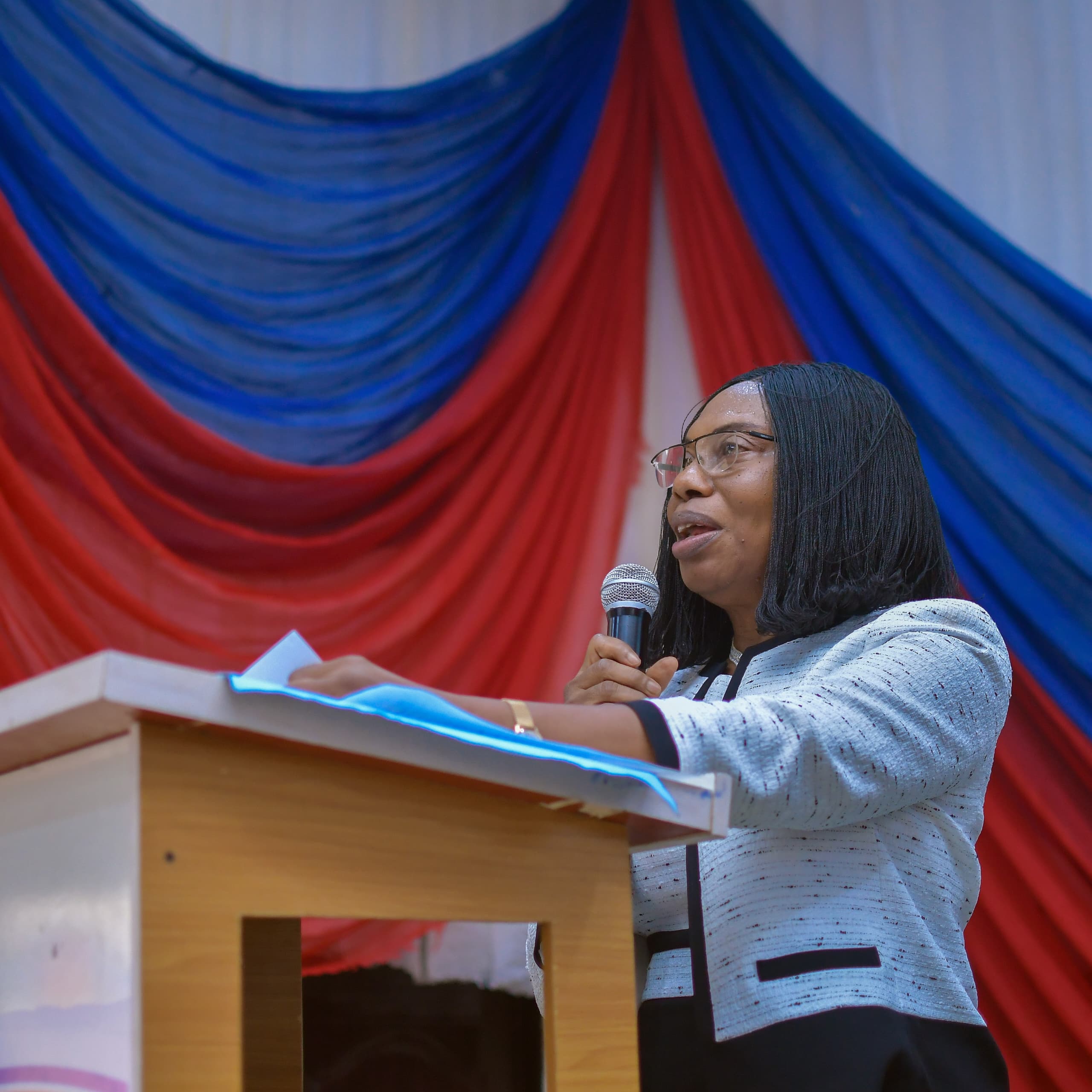
The University of Medical Sciences (UNIMED), Ondo, has reiterated that the future of scientific discovery and improved healthcare delivery lies in interdisciplinary collaboration, urging researchers and scholars to break traditional academic boundaries in addressing increasingly complex global challenges.

This position was reinforced at the University’s 4th Postgraduate School Interdisciplinary Discourse, where academics and researchers converged to deliberate on the theme, “Synergy in Science: Transforming Medical, Health and Scientific Outcomes through an Interdisciplinary Culture.” The event highlighted the growing need for collaborative research as a driver of innovation, knowledge creation and sustainable development.
Delivering the keynote lecture, former Deputy Vice-Chancellor (Academic) of the institution, Professor Roseangela Nwuba, observed that the complexity of contemporary scientific problems has made collaboration no longer optional but imperative. She maintained that the greater the scientific challenge, the greater the need for interdisciplinary engagement among experts with diverse knowledge and skills.
According to her, scientific excellence in the twenty-first century is increasingly defined not merely by individual expertise but by the capacity of researchers to work across disciplines and institutional boundaries in generating innovative and impactful solutions. She stressed that building a collaborative culture would strengthen research productivity, accelerate scientific breakthroughs and enhance the translation of research findings into practical solutions for societal needs.
Welcoming participants to the discourse, the Vice-Chancellor of UNIMED, Professor Ebunoluwa Adejuyigbe, described the gathering as another demonstration of the University’s unwavering commitment to academic excellence, innovation and the advancement of knowledge capable of addressing society’s most pressing health and developmental challenges.
She noted that the discourse’s theme was both timely and significant, considering the increasingly complex nature of health and scientific issues confronting the world. According to her, such challenges can no longer be effectively addressed within the confines of a single discipline, making collaboration among experts indispensable.
“The future belongs to institutions and researchers who embrace collaboration, integrate diverse perspectives and harness collective expertise to generate impactful solutions,” the Vice-Chancellor said.
Professor Adejuyigbe reaffirmed UNIMED’s commitment to creating an enabling environment where interdisciplinary research thrives, innovation flourishes and scientific discoveries are translated into improved healthcare outcomes and sustainable national development.
She also challenged participants to engage meaningfully throughout the discourse by questioning conventional approaches, sharing ideas and cultivating enduring partnerships that would outlive the event.
While commending the Postgraduate School for sustaining the annual interdisciplinary discourse, the Vice-Chancellor described the initiative as a strategic platform for strengthening research culture, promoting intellectual exchange and positioning the University to make greater contributions to national and global health research.
The discourse ended with a consensus that fostering synergy among scholars from different disciplines remains critical to advancing scientific knowledge, improving health outcomes and delivering evidence-based solutions to the multifaceted challenges facing contemporary society.