













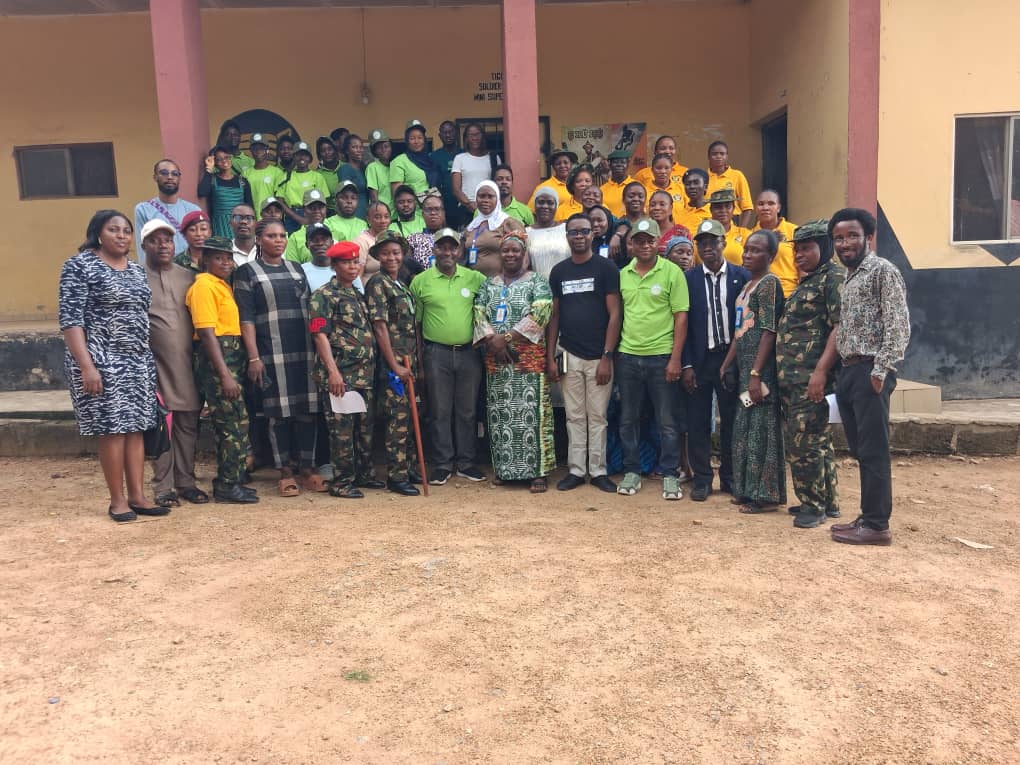
University of Ibadan (UI) dons and environmental health experts have called for stronger community participation in environmental protection, stressing that scientific knowledge, proper waste management and public engagement are critical to building healthier and safer communities.
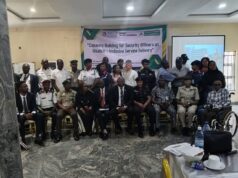
The experts spoke at the 2026 World Environmental Health Day community sensitisation programme held at the Mami Market, Second Mechanised Division of the Nigerian Army, Adekunle Fajuyi Cantonment, Ojoo, Ibadan.
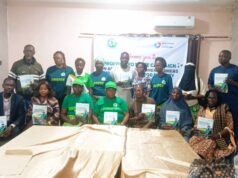
The event, organised by the Department of Environmental Health Sciences, University of Ibadan, in collaboration with the Nigerian National Federation of Environmental Health (NINAFEH), Environmental Health Scientists Association of Nigeria (EHSAN) and Environmental Health Students Association of Nigeria, University of Ibadan (EHSA-UI), was part of a three-day celebration.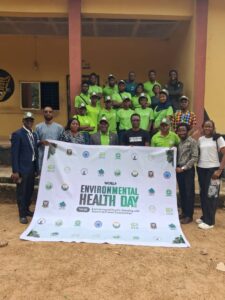
The celebration was themed, “Environmental Health: Standing with Science to Protect Communities.”
The three-day programme featured a rally and YES Club competition on September 24, a symposium and exhibition on September 25, and community sensitisation on September 26.
Speaking at the community sensitisation programme, Acting Head, Department of Environmental Sciences, University of Ibadan, Dr. Oyewale Mayowa Morakinyo, said the essence of the celebration was to create awareness about the relationship between the environment and human health.
He said the environment was not limited to physical surroundings but included where people lived and worked and their daily activities, all of which could have implications for their health.
Morakinyo called on Nigerians to take environmental issues seriously, particularly the quality of food, air and water.
He urged against open burning of waste and indiscriminate dumping of refuse in drainage channels, especially during the rainy season.
He said: “The kind of food that we eat, the quality of the air that we breathe, and the water that we drink, all of these have a way of affecting our health. So, we need to be conscious.”
Also speaking, Professor Godson Ana, of the Department of Environmental Health Sciences, Faculty of Public Health, College of Medicine, University of Ibadan, said the community sensitisation was designed to translate scientific knowledge and research into practical environmental action.
According to him, the Mami Market was selected because of the large number of traders who could benefit from practical knowledge about waste management and environmental health.
He said: “There must be a connection between what we are doing and the community. This is why we have come this year to ensure that we show them what we have done and try to motivate them to use the evidence that we have generated over the years to help in the improvement of their communities.”
The professor said the expected outcomes included improved knowledge, skills and environmental practices, as well as a cleaner physical environment.
He added that proper waste management could also create employment opportunities, as people could be engaged in collecting recyclable materials and selling them for income.
“Not only picking the waste, not only getting the jobs, but the ability to sell the waste to get some money. So, the advantages here are multifaceted,” he said.
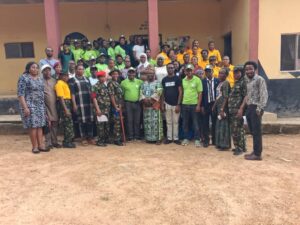
The emphasis on turning waste into wealth formed a significant part of the sensitisation, with participants being shown how materials commonly regarded as waste could be reused, recycled and converted into economic value.
The 2D General Manager of the cantonment, Mrs. Olabisi Olaniyi, said the training had changed her perception of waste, noting that participants had learnt that waste could be a source of income.
She cited plastic bottles as an example, saying they could be washed, dried and reused for storing different materials before eventually being recycled.
She said recycling could provide another source of income for families while contributing to the wider economy.
Similarly, the Mami Market Magajiya and market manager, Mrs Oluwatobi Enoch, said the programme had enlightened and encouraged women in the market to take environmental cleanliness more seriously.
She said maintaining a clean environment was particularly important in the barracks because poor sanitation could expose residents to hazards, including snakes and other risks.
Enoch added that the training had helped participants understand that materials previously considered waste could be put to productive use.
“Not everything is waste. Nothing is waste anymore,” she said.
The market chairman, Taiwo Kamorudeen, appreciated the organisers for bringing the sensitisation programme to the cantonment and expressed the hope that the initiative would continue.
A major highlight of the celebration was the inauguration of the YES Club, comprising pupils from public and private schools, to encourage early participation in environmental health advocacy.
The broader three-day celebration was designed not merely as an annual observance but as a platform for learning, scientific engagement, community participation and reflection on the role of environmental health professionals in protecting public health.
The experts maintained that protecting the environment could not be left to government alone, stressing that individuals, communities, academic institutions and professional bodies all had roles to play in reducing pollution and promoting healthier surroundings.
The 2026 World Environmental Health Day celebration therefore combined scientific engagement with practical community action, with the organisers seeking to strengthen awareness that environmental protection, public health and economic opportunities through waste recycling can be pursued together.
Advertisement