















Universities are often judged by the eminence of their scholars, the quality of their graduates and the impact of their research. Yet, behind every institution that steadily rises in reputation is a less celebrated but equally decisive factor: leadership. It is leadership that sets the tone for academic culture, inspires confidence among stakeholders and creates the conditions under which excellence can flourish.
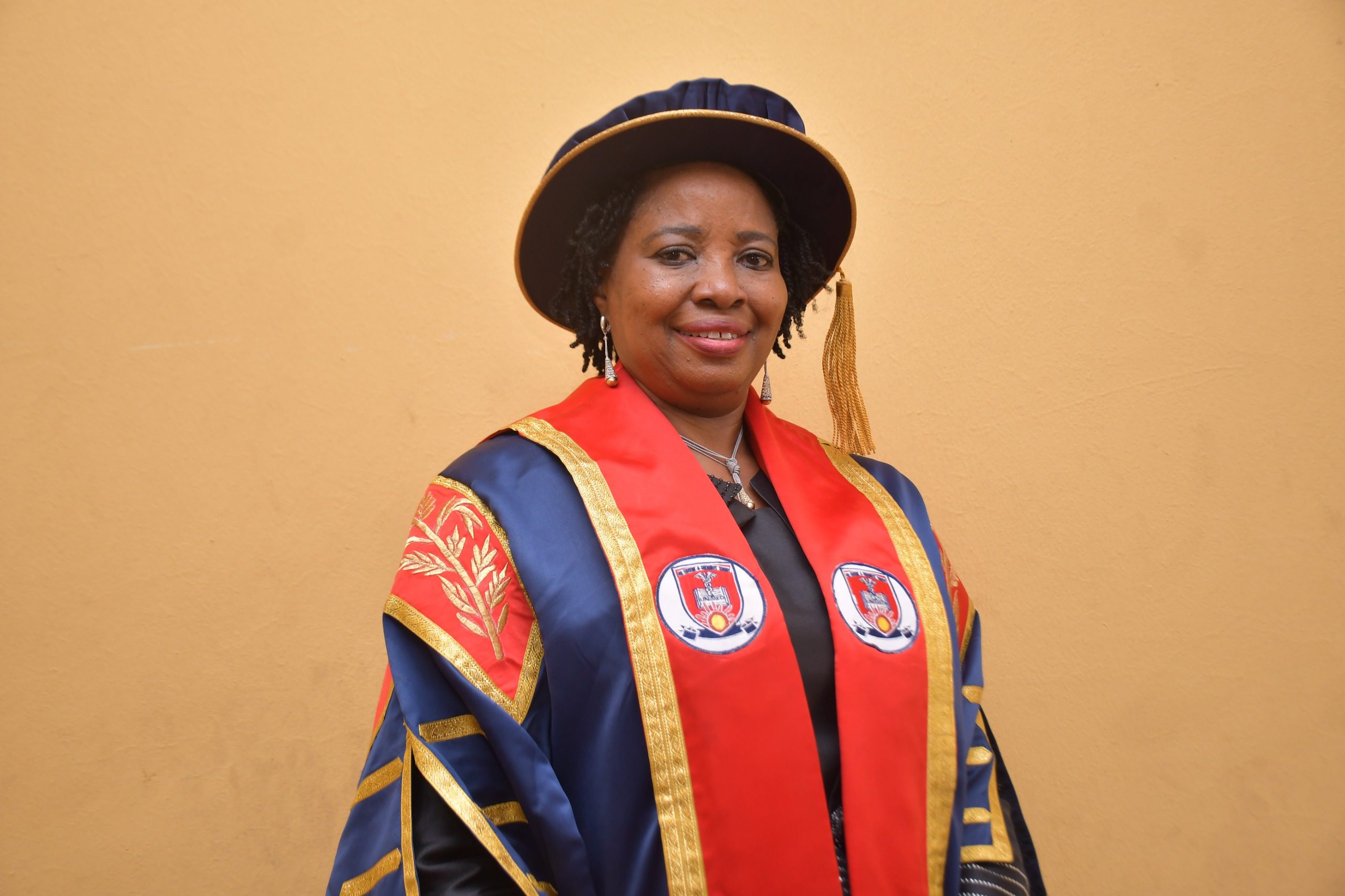
This reality frames the unfolding story at the University of Medical Sciences (UNIMED), Ondo, where Professor Ebunoluwa Aderonke Adejuyigbe assumed office as the institution’s third substantive and first female Vice-Chancellor. Her appointment was historic for breaking a gender barrier, but its greater significance lies in the expectations it carried for a university whose ambition extends well beyond national recognition.
Professor Adejuyigbe did not arrive at the office as an unfamiliar figure in academia. A distinguished Professor of Paediatrics, respected researcher and accomplished university administrator, she brought with her decades of experience shaped by scholarship, clinical practice, research leadership and institutional governance. Those experiences have informed a leadership style that is measured rather than dramatic, strategic rather than reactionary, and firmly anchored in the enduring values of the academy.
Every administration inherits both opportunities and obligations. For Professor Adejuyigbe, the task was not simply to sustain the momentum of a young but rapidly evolving institution; it was to consolidate its strengths while preparing it for the changing realities of medical education in a knowledge-driven world.
Her vision has reflected that understanding. It encompasses stronger academic programmes, a more vibrant research culture, improved infrastructure, enhanced staff welfare, institutional harmony and deeper engagement with local and international partners. Taken together, these priorities speak to a broader objective: positioning UNIMED as a globally competitive institution without losing sight of its foundational mandate as Nigeria’s premier specialised university for medical and health sciences.
What distinguishes the administration, however, is not the ambition of its vision but the method of its pursuit. Universities thrive on systems more than slogans. They require consistency, accountability and the patient work of institution-building. Since assuming office, Professor Adejuyigbe has demonstrated an appreciation of that reality by emphasising prudent resource management, strategic planning and inclusive stakeholder engagement over headline-grabbing initiatives.
One area where this approach has become particularly evident is in the restoration and strengthening of institutional cohesion. Universities are communities of diverse interests, and sustainable progress depends largely on the quality of relationships among their members. By encouraging dialogue, consultation and shared ownership of institutional goals, the administration has sought to nurture an environment where academic and administrative excellence can thrive without distraction.
Research has similarly occupied a central place in the administration’s priorities. Given Professor Adejuyigbe’s own standing as an internationally recognised medical researcher and former Executive Director of the Central Office of Research at Obafemi Awolowo University, Ile-Ife, that emphasis is hardly surprising. More significant is the effort to cultivate an institutional culture where research is viewed not merely as an academic obligation but as a vehicle for innovation, policy relevance and solutions to pressing health challenges. In an era when universities increasingly compete through knowledge production, such a focus carries strategic importance.
Infrastructure development has followed the same logic. Modern medical education depends on facilities that reflect contemporary standards of teaching, clinical training and scientific inquiry. Investments in laboratories, learning spaces and research infrastructure therefore represent more than physical expansion; they are long-term commitments to academic quality and institutional competitiveness.
The administration’s attention to human capital is equally noteworthy. Universities ultimately derive their strength not from buildings but from the people who animate them. Through continuous engagement, professional development initiatives and efforts to improve the working environment, Professor Adejuyigbe has reinforced the proposition that institutional excellence begins with motivated and empowered personnel.
No discussion of contemporary university leadership is complete without acknowledging the transformative role of technology. Across the world, digital innovation is reshaping teaching, research and governance. By promoting technology-driven administration and encouraging the integration of digital tools into academic processes, the Vice-Chancellor has signalled an awareness that future-ready universities cannot remain anchored in yesterday’s methods.
The student experience has also remained central to this evolving agenda. Beyond the acquisition of professional knowledge, universities are increasingly expected to produce graduates equipped with critical thinking skills, adaptability and ethical responsibility. Efforts to improve learning environments and institutional support systems reflect an understanding that the ultimate measure of a university lies in the quality and character of those it sends into society.
Equally important is the administration’s recognition that no modern university succeeds in isolation. Collaboration with government agencies, professional bodies, development partners, alumni, industry and international institutions has become an indispensable element of institutional growth. Such partnerships broaden opportunities for research, attract investment, facilitate knowledge exchange and enhance global visibility.
Perhaps the defining feature of Professor Adejuyigbe’s leadership is the balance she brings to the office. Her years in medicine appear to have reinforced habits of careful diagnosis before intervention, while her administrative experience has cultivated an appreciation for consultation, evidence-based decision-making and long-term planning. The result is a leadership style that values stability without resisting innovation and pursues reform without sacrificing institutional cohesion.
Transformational leadership in higher education rarely announces itself through dramatic moments. More often, it reveals itself gradually—in stronger institutions, improved systems, motivated people and a culture of continuous improvement. Those are the standards by which university administrations are ultimately remembered.
As UNIMED continues to define its place within Nigeria’s higher education landscape and the wider global academic community, the trajectory of Professor Ebunoluwa Adejuyigbe’s administration suggests an institution intent on building not merely for the present, but for generations to come. Whether measured through academic quality, research capacity, institutional governance or strategic partnerships, the emphasis remains the same: purposeful leadership in the service of enduring excellence.
Oluyi is Head, Directorate of Public Relations and Corporate Affairs, University of Medical Sciences (UNIMED), Ondo.
Advertisement