












By Joy Joseph
The Vice-Chancellor of the University of Ibadan (UI), Prof. Kayode Adebowale, scholars from the institution and an official of the International Monetary Fund (IMF), Dr. Afolabi Olowookere, have called for research-driven solutions to Nigeria’s economic challenges, including poverty, inflation, unemployment, inadequate electricity supply and low productivity.


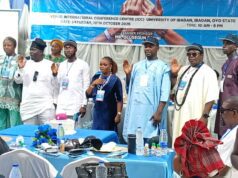
They made the call at the maiden International Conference on Economics, Finance and Business organised by the university’s Faculty of Economics and Management Sciences at the Central Bank of Nigeria Building, UI.
The conference, themed “Navigating Global Economics and Financial Disruptions,” brought together scholars, policymakers and practitioners to examine economic uncertainty, financial instability, international trade, technological innovation and sustainable development.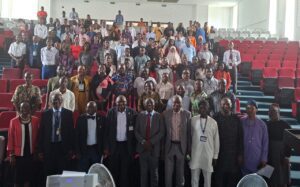
Speaking at the event, Adebowale urged economists and business scholars to develop evidence-based recommendations to help policymakers address the country’s economic difficulties and promote inclusive growth.
He said universities had a responsibility not only to generate knowledge but also to help society understand complex economic developments, formulate sound policies and develop practical responses to contemporary challenges.
According to him, research conducted in Nigerian universities should go beyond theoretical discussions to provide evidence that could help policymakers understand the causes of economic problems, assess alternative interventions and identify sustainable pathways to economic growth.
He identified productivity, inflation, employment, exchange-rate stability, food security, industrial development and economic diversification as areas requiring rigorous research.
The Vice-Chancellor also highlighted the importance of a resilient financial system in supporting investment, improving access to credit, encouraging entrepreneurship and facilitating the growth of productive enterprises.
He called for stronger collaboration among universities, government agencies, financial institutions, private-sector organisations and international partners, adding that research findings should be communicated through policy briefs, public lectures and stakeholder engagements.
In his keynote address, the former president of the Nigerian Economic Society, Prof. Adeola Adenikinju, called for a balanced assessment of President Bola Tinubu’s economic reforms, warning that improvements in some macroeconomic indicators had yet to translate into meaningful relief for many Nigerian households.
Adenikinju said Nigeria was experiencing a contrast between improving economic indicators and persistent hardship among citizens.
He cited rising foreign reserves alongside increasing poverty as evidence of the need to assess economic performance beyond headline figures.
The don identified dependence on crude oil, inadequate electricity supply, weak agricultural productivity and widespread informal employment as major constraints to inclusive economic growth.
Drawing lessons from South Korea, Indonesia, Malaysia, Botswana and Mauritius, he said Nigeria could improve its economic prospects by investing in agriculture, infrastructure, skills development and export-oriented production.
He proposed a Nigeria Competitiveness Compact built around macroeconomic stability, improved power supply and logistics, value addition to agricultural and mineral resources, skills development, artificial intelligence, production financing and export expansion under the African Continental Free Trade Area (AfCFTA).
Adenikinju urged economists and academics to provide independent, evidence-based assessments of government policies, stressing that the success of reforms should ultimately be measured by their impact on productivity, employment and living standards.
Also speaking, Olowookere, the IMF Executive Director (Alternate) for West Africa, identified reliable electricity, effective implementation of AfCFTA and access to sustainable financing as critical to strengthening Africa’s competitiveness.
Olowookere, who addressed the conference virtually, said global disruptions were increasingly affecting African economies through rising food and energy prices, mounting debt-servicing costs and employment challenges.
He identified geopolitics, changing trade rules, artificial intelligence, the energy transition, high debt levels and climate change as six forces reshaping the global economy.
According to him, African countries must develop the capacity to turn these disruptions into opportunities through macroeconomic stability, credible institutions, reliable power and logistics, technological skills, regional economic integration and access to long-term financing.
He urged African governments to invest in locally developed artificial intelligence solutions to address challenges in agriculture, healthcare, education and tax administration rather than remain consumers of imported technologies.
The IMF official stressed that dependable electricity and efficient logistics were essential to lowering production costs, improving productivity and enabling African businesses to compete effectively in regional and international markets.
On AfCFTA, he said effective implementation, interoperable payment systems and harmonised standards would help businesses operate across national borders and gain access to a wider continental market.
Olowookere also called for more sustainable financing arrangements to support productive investment and reduce African economies’ vulnerability to external shocks.
The Dean of the Faculty of Economics and Management Sciences, Prof. Akanni Lawanson, said the conference was designed to position the faculty at the centre of national economic debate and policy formulation.
Lawanson also called for a balanced assessment of the Federal Government’s reforms, noting that while some macroeconomic indicators had improved, households and businesses continued to face high living costs, borrowing expenses and other economic pressures.
He said reforms should be assessed according to their ability to deliver structural transformation and tangible improvements in citizens’ welfare.
The Secretary to the Oyo State Government, Prof. Musibau Babatunde, said infrastructure investment must be linked to productivity, adding that farmers also needed adequate security to protect themselves and their crops.
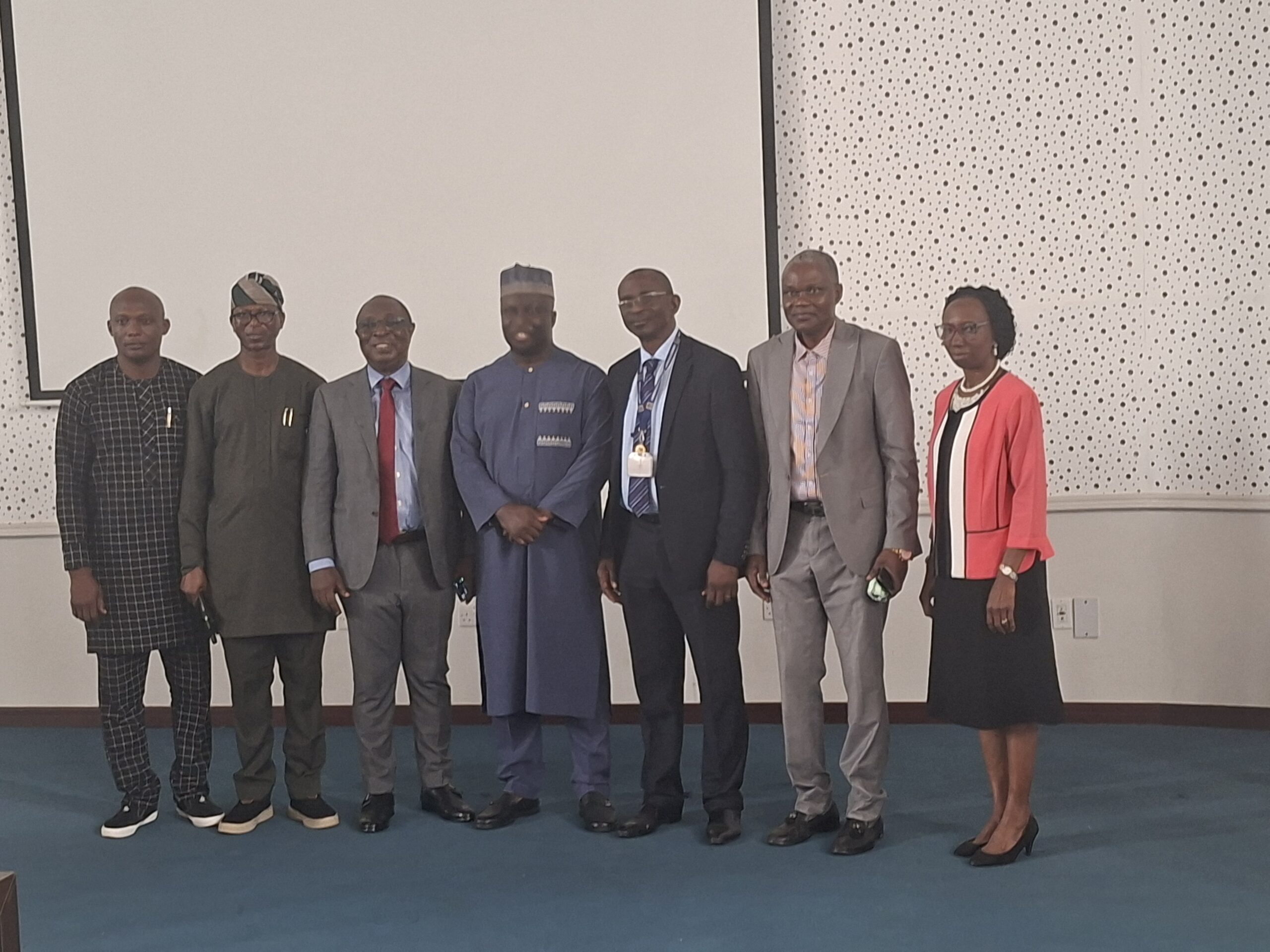
Also present at the conference were Prof. Juwon Arotiba; Prof. Abiodun Folawewo, Dr. Samuel Orekoya, Dr. Oluseyi Ajayi, Dr. Philips Ogunode, Dr. Adeola Ayodele, Dr. Roseline Ozegbe, Mrs. Ibukun Joledo and others.